








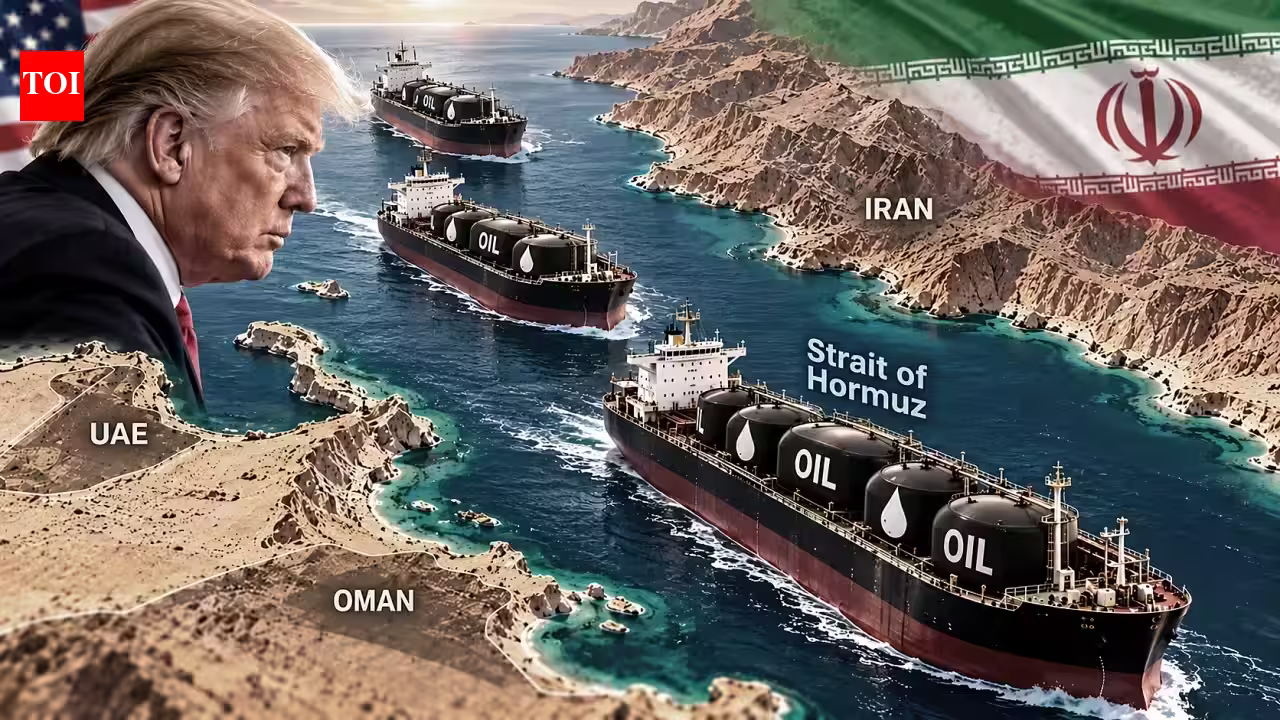
The Shifting Dynamics of the Strait of Hormuz
The global energy landscape faced a seismic shock when the conflict between the United States and Iran escalated in late February, effectively stalling oil shipments through the Strait of Hormuz. As a critical maritime chokepoint accounting for nearly 20 percent of global petroleum consumption, its sudden closure triggered a supply crunch that reverberated across international markets. While recent data suggests a fragile recovery in shipping volumes, the underlying reality is that the geopolitical threat remains firmly in place, and the cost of doing business in this region has been permanently altered.
Tanker-tracking data from September indicates that Gulf crude exports reached approximately 16 million barrels per day (mb/d), showing signs of recovery from the low points observed during the spring and summer. However, these figures are deceptive. The “normalization” of flows is not a result of diplomatic resolution, but rather an outcome of operational adaptation. Shipping companies, supported by US military air protection and increased financial incentives from Gulf states, are navigating the region despite the heightened risk. While this allows oil to reach global markets, the cost of transit—driven by exorbitant war-risk insurance premiums and surging freight rates—remains significantly higher than pre-war levels.
The Mirage of Normalization
Analysts observe that the recovery of oil flows through the Strait of Hormuz no longer hinges on a formal US-Iran agreement. Instead, the market is witnessing a slow, uneven stabilization where Washington balances economic pressure on Tehran with the necessity of keeping global energy trade routes open. Yet, this stability is tenuous. Recent data shows that shipping volumes can fluctuate wildly within days, indicating that the threat of disruption is never far from the surface.
Tehran retains significant leverage, not only through its direct military presence in the Gulf but also via regional proxies like the Houthis, who maintain the capability to threaten alternative shipping lanes such as the Bab al-Mandab Strait. Furthermore, the persistent attacks on tankers—despite military escorts—demonstrate that while physical supply is moving, the reliability of that supply is compromised. For global markets, this creates a situation where the volume of crude might be recovering, but the systemic risk remains embedded in the price. The “war-risk” premium is no longer a temporary adjustment; it has become a structural component of the current energy market.
Why Crude Prices Remain Elevated
A common point of confusion for market observers is why oil prices remain stubbornly high even as export volumes show signs of recovery. The answer lies in the distinction between “available supply” and “accessible supply.” The market is not merely tracking the number of barrels loaded at terminals; it is actively pricing in the delivery risks, logistical bottlenecks, and the structural depletion of global inventories.
Several factors drive this price floor. First, logistics costs have skyrocketed. Freight rates for very large crude carriers (VLCCs) have surged, in some instances reaching over a million dollars per day. These costs represent a substantial percentage of the final price of a barrel, directly impacting refinery margins. Second, the global inventory buffer has significantly shrunk compared to pre-war levels. With less cushion available to absorb unexpected shocks, any minor delay or localized conflict leads to immediate price volatility. Finally, the refinery sector faces constraints related to crude quality. Many global refineries are optimized for specific medium-sour crude grades common in the Middle East. Even when volume is sufficient, if the specific grade required to produce diesel or jet fuel is disrupted, the downstream price impact remains severe. Consequently, until insurance costs normalize and inventory buffers are replenished, the market will likely continue to trade at a premium.
Impact on the Indian Energy Strategy
For India, a country that relies heavily on imported energy to fuel its economic expansion, the ongoing instability in the Gulf presents a complex challenge. Before the conflict, the Middle East was the cornerstone of India’s energy import strategy. The sudden disruption forced a rapid, albeit necessary, pivot toward other sources, most notably Russia. At the height of the crisis, Russian oil imports surged to satisfy India’s domestic demand as the cost of “inside-strait” barrels became prohibitive.
However, the recent recovery in Gulf exports provides Indian refiners with a tactical advantage. By regaining access to medium-sour crude from Gulf producers, Indian refiners can better optimize their processing operations, which are traditionally geared toward these specific grades. The strategy adopted by Indian oil companies is one of strategic optionality—maintaining a diversified basket of suppliers to reduce dependency on any single chokepoint or geopolitical actor. While this prevents a total supply failure, it does not fully shield the economy from inflation. Because the crude is being procured at elevated risk-adjusted prices, the cost is ultimately passed down, affecting industrial output and retail inflation.
Looking Ahead: The Persistence of Risk
The long-term outlook for energy security in the region remains guarded. The expectation of a quick return to “business as usual” has faded, replaced by an acknowledgement of a new, higher-cost equilibrium. The reliance on alternative routes, such as pipelines through the Red Sea and Gulf of Oman, provides a necessary bypass, but these assets are also vulnerable to regional escalations, as evidenced by recent attacks on Saudi infrastructure.
For stakeholders in the energy sector, the focus must remain on risk mitigation. Future investment in midstream infrastructure, such as enhanced port facilities and long-range storage, will be essential to provide a buffer against future maritime closures. Furthermore, the shift in India’s import patterns signifies a permanent change in how emerging economies approach energy security—prioritizing logistical flexibility and supplier diversity over traditional supply lines. While the world has avoided a total collapse of energy trade, the ongoing tension in the Strait of Hormuz ensures that the path to energy stability remains narrow, volatile, and increasingly expensive for the foreseeable future.
Disclaimer: This content is auto-generated for informational purposes only.
Source: Read Original News