








Tensions Escalate in New Delhi as Protesters Demand Resignation of Election Chief
NEW DELHI — A massive wave of public dissent swept through the heart of the Indian capital on Friday as thousands of demonstrators gathered in the bustling Connaught Place district. Holding the national flag aloft, participants demanded the immediate resignation of Chief Election Commissioner Gyanesh Kumar, signaling a deepening rift between the public and Prime Minister Narendra Modi’s administration.
The rally was organized by the “Cockroach” movement, a burgeoning youth-led political force that has rapidly gained momentum in recent months. Despite the detention of the movement’s founder, Abhijeet Dipke, by police late Thursday, the protest saw a significant turnout from citizens of all generations, reflecting widespread anxiety over the integrity of India’s electoral processes.
Concerns Over Voter List Integrity
At the core of the unrest is an ongoing, massive overhaul of the country’s voter rolls. Since last year, over 130 million names have been removed from voter lists, an exercise that government critics characterize as a calculated effort to suppress votes. Opponents of the current administration argue that this initiative is politically motivated and poses a grave threat to democratic participation, with reports suggesting that the deletions have disproportionately impacted marginalized groups, specifically Muslim communities.
While the Election Commission maintains that these revisions are essential to filter out duplicate, deceased, or ineligible entries, the protesters are unconvinced. The movement has demanded that Gyanesh Kumar step down, alleging that the commission is no longer acting as an independent arbiter.
A Symbol of Youth Defiance
The “Cockroach” movement, which spearheaded Friday’s gathering, has become a potent symbol of modern Indian activism. The group originated this summer as an online satirical response to a derogatory comment by India’s chief justice, who likened unemployed youth to “parasites.” Rather than retreat, young Indians reclaimed the term, adopting the cockroach as a badge of resilience.
The group’s influence is significant; earlier this July, they successfully led a campaign that resulted in the resignation of Prime Minister Modi’s education minister, marking a rare and stinging political defeat for a leader who has held power for over 12 years.
Government Response and Security Presence
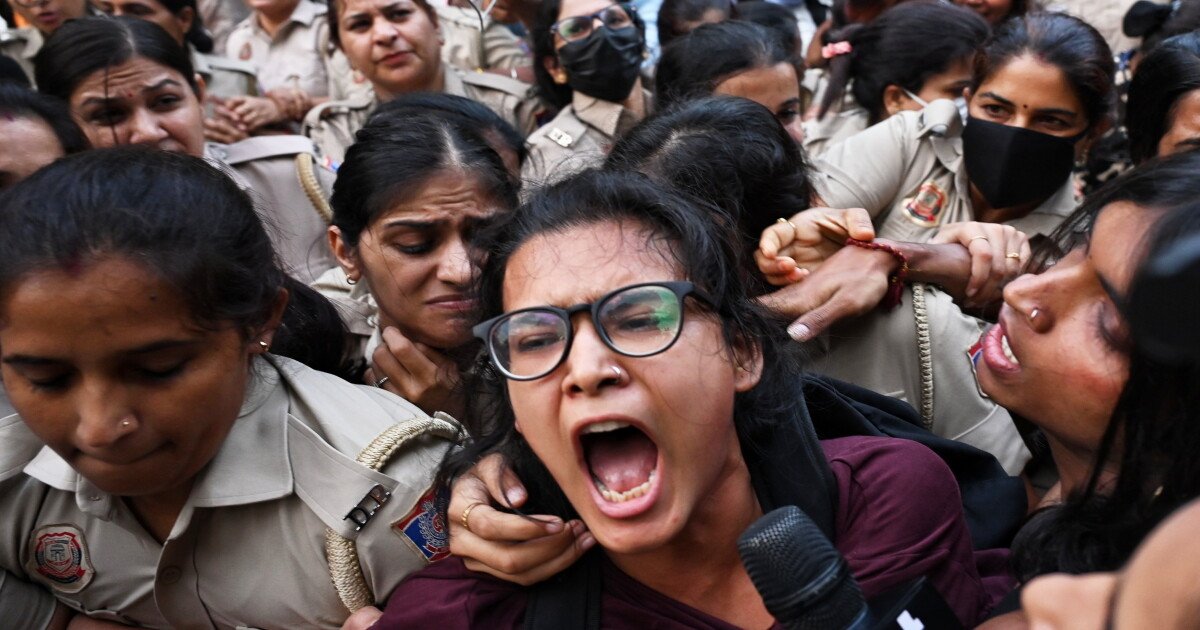
Security in New Delhi was exceptionally tight on Friday. Authorities attempted to preempt the demonstration by closing the iconic Central Park in the center of Connaught Place and urging citizens to refrain from joining the gathering. In an attempt to contain the optics, police offered to allow a small, controlled group to wave flags and sing the national anthem, a compromise that protesters soundly rejected by filling the streets in large numbers.
Throughout the afternoon, columns of riot police stood watch as protesters chanted slogans and waved the tricolor. While the government has not officially addressed the specific grievances raised by the demonstrators, leaders within Modi’s ruling party have dismissed the activists as “anarchists.” Some officials have even leveled allegations, unsupported by evidence, that the movement is being financed by foreign entities.
As the political pressure mounts, it remains to be seen whether this current wave of unrest will crystallize into a broader, long-term challenge to the ruling government. While the opposition has been quick to seize on the voter list controversy, experts note that the path from public protest to electoral defeat is uncertain, particularly given the government’s sustained strength at the ballot box. For now, however, the streets of New Delhi remain a battleground for the future of India’s electoral transparency.
Disclaimer: This content is auto-generated for informational purposes only.
Source: Read Original News