






Police Detain ‘Cockroach’ Movement Founder Ahead of New Delhi Protest
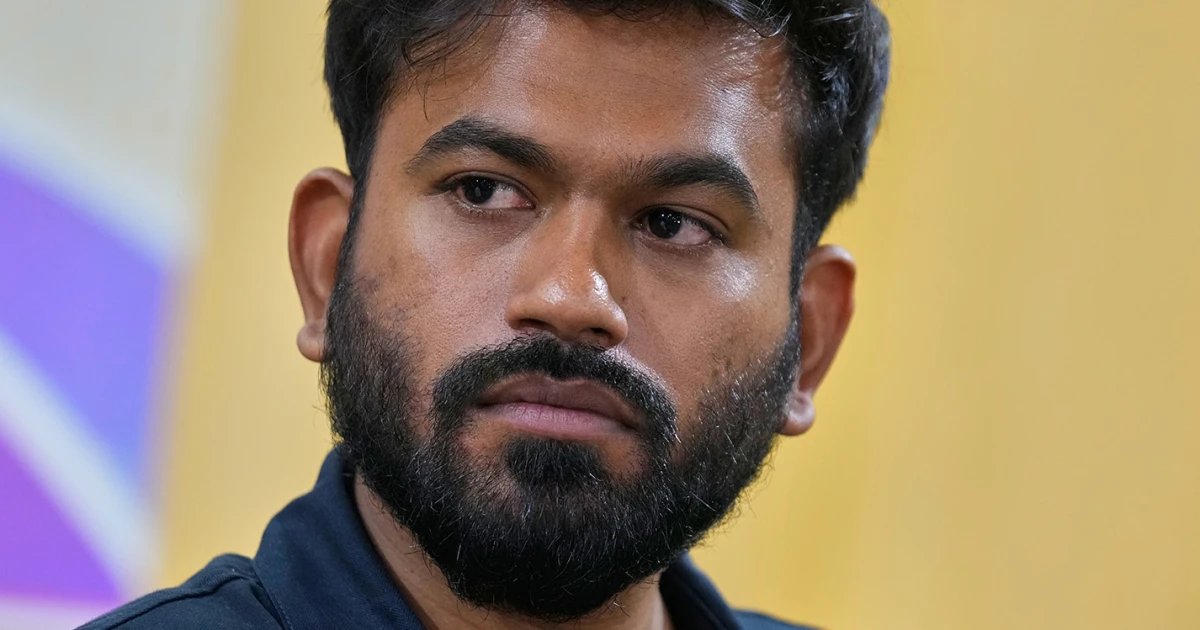
NEW DELHI — Tensions reached a boiling point in the nation’s capital on Friday as authorities moved to dismantle a planned demonstration led by the “Cockroach Janta Party” (CJP). Abhijeet Dipke, the architect behind the youth-led movement, was taken into police custody just hours before he was scheduled to lead a rally at Connaught Place, one of the city’s most prominent commercial hubs.
The detention, which was captured in real-time on the group’s social media channels, shows a tense confrontation between Dipke and law enforcement outside his residence. As officers surrounded him, Dipke questioned the legality of the move, asserting that he had committed no offense. Despite his protestations, officers bundled him into a waiting vehicle, marking a significant escalation in the ongoing standoff between activists and the state.
A Movement Born of Electoral Controversy
The CJP has become the face of a mounting political challenge against the Election Commission of India. For weeks, the group, alongside various left-wing student organizations and opposition factions, has maintained a near-daily presence in the streets to demand the resignation of Chief Election Commissioner Gyanesh Kumar.
The catalyst for the unrest is a sweeping revision of India’s electoral rolls, which saw approximately 130 million voters removed from the registry. Critics of the government argue that this massive cull was strategically executed to benefit the ruling Bharatiya Janata Party (BJP), effectively disenfranchising voters in areas where the party faces stiff competition.
The Election Commission has consistently rejected these allegations, framing the revision as a necessary administrative exercise to clean up voter records. Officials have maintained that any citizens wrongly excluded from the lists have the right to re-enroll, a process they claim remains open to the public. The BJP, for its part, has dismissed the protests as a manufactured narrative, accusing its political rivals of attempting to erode public trust in the sanctity of India’s democratic infrastructure.
Escalating Tensions in the Capital
Friday’s planned demonstration was intended to serve as a show of solidarity for two senior CJP leaders who were imprisoned earlier this week. The pair had been handed five-day jail sentences after participating in a protest that allegedly violated a strictly enforced public assembly ban.
In response, the CJP had called for supporters to converge on Central Park at Connaught Place to hoist the Indian national flag—a symbolic gesture of defiance against what they characterize as an authoritarian crackdown. Before the rally could materialize, police forces blanketed the area and reportedly warned Dipke against proceeding with the march.
As of Friday evening, the Delhi Police had issued no formal statement regarding the specific charges leveled against Dipke or the legal basis for his detention. The scene at Connaught Place remained quiet under the watchful eye of a heavy security presence, but the arrest of the CJP founder suggests that the government has little intention of allowing the discourse surrounding the Election Commission to continue in the public square.
With prominent figures now behind bars and police presence remaining high, the future of the movement remains uncertain. However, the determination shown by activists on the ground signals that the conflict over the integrity of India’s electoral process is far from resolved.
Disclaimer: This content is auto-generated for informational purposes only.
Source: Read Original News