








The Anatomy of the Current Fuel Pricing Crisis
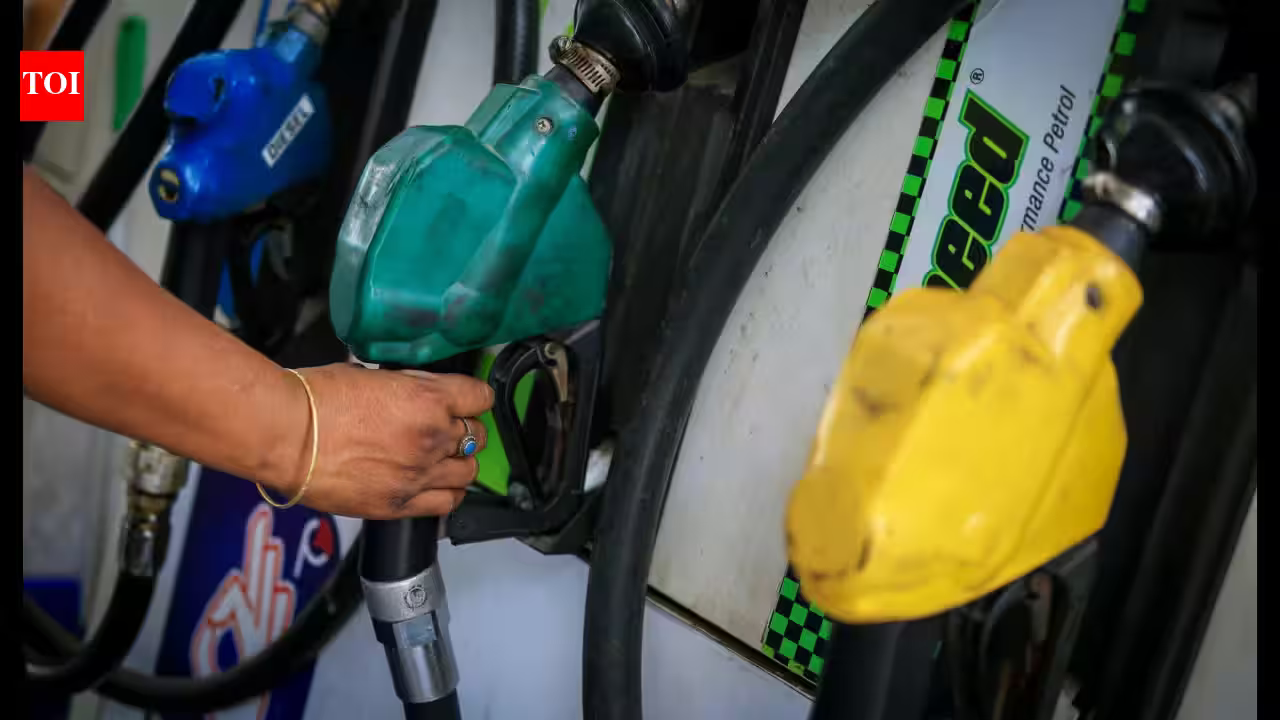
The Indian energy landscape is currently navigating a period of intense volatility, characterized by a sharp divergence between global crude procurement costs and domestic retail price realizations. Recent data provided by financial analysts indicates that state-run oil marketing companies (OMCs) are enduring significant fiscal pressure, with estimates suggesting losses of approximately Rs 26 per litre on petrol and Rs 30 per litre on diesel. This economic imbalance stems from the complex intersection of geopolitical instability in the Middle East and the structural dependency of the Indian economy on energy imports.
At the core of this crisis is the disconnect between the landed cost of crude oil and the regulated nature of retail fuel pricing in India. As international oil benchmarks fluctuate, Indian retailers—typically entities such as Indian Oil Corporation, Bharat Petroleum, and Hindustan Petroleum—face a procurement reality that effectively mirrors a crude basket price of $125 per barrel. When these procurement costs surge, OMCs bear the brunt, as domestic pump prices are not adjusted with the frequency or magnitude required to offset such substantial spikes in expenditure.
Geopolitical Disruptions and the Freight Cost Escalation
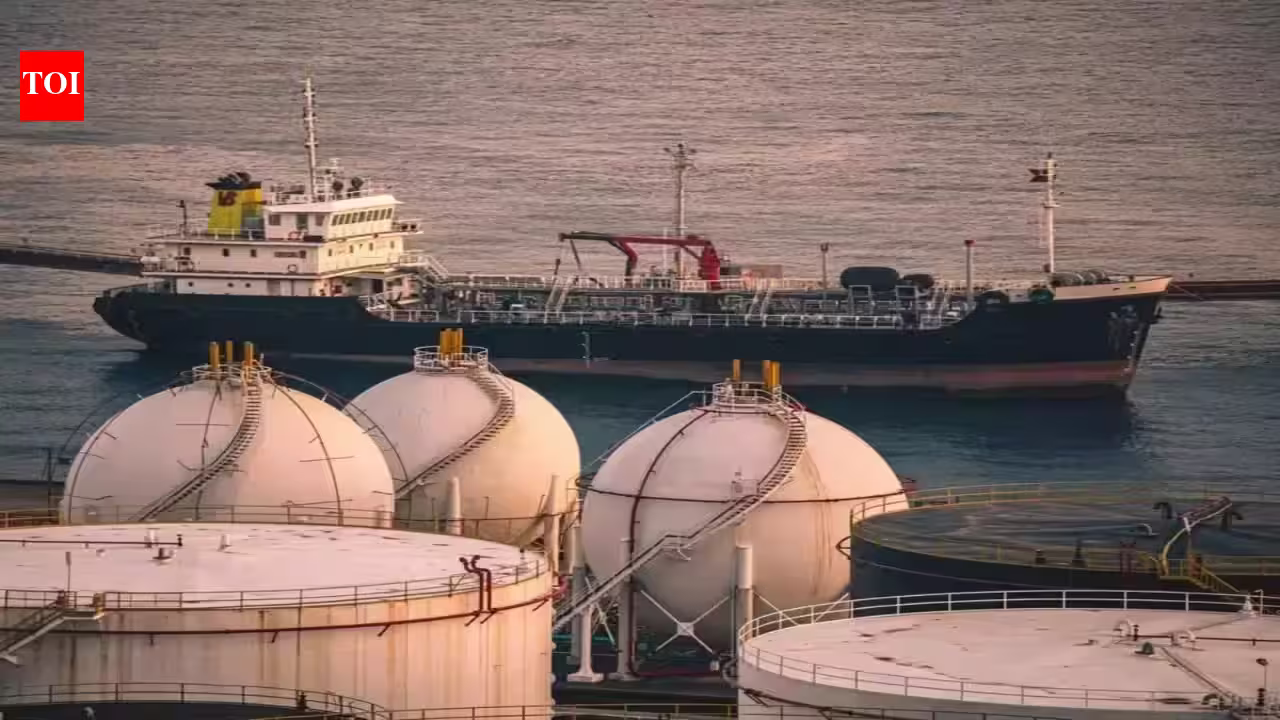
While crude oil prices are a standard variable in energy economics, the current situation is exacerbated by an unprecedented surge in shipping and logistics costs. The conflict in the Middle East has fundamentally altered maritime trade routes, leading to an eightfold increase in freight rates. Before the onset of these geopolitical tensions, shipping expenses constituted a negligible portion—roughly 3 percent—of the total landed cost of crude oil. Today, that figure has ballooned to over 25 percent, turning transportation into a major, if not primary, cost driver.
This logistical burden is further aggravated by the rising instability in key transit corridors, such as the Gulf of Oman. Reports confirm a sharp decline in oil flows from the Middle East, which have plummeted to approximately 75 percent of pre-war levels. The reversal of supply chain normalization, which had shown signs of recovery as recently as September, leaves India’s import-dependent energy architecture particularly vulnerable. As vessels face rerouting and higher insurance premiums due to security threats, the inflationary pressure on the landed cost of every barrel of crude becomes inevitable, directly squeezing the margins of the domestic retail sector.
The Margin Squeeze: Refining vs. Marketing
A critical analytical distinction must be made between refining margins and marketing margins when evaluating the performance of Indian OMCs. Refining, which involves the physical processing of crude into end-products like petrol and diesel, currently remains a profitable endeavor due to strong global crack spreads. However, these gains are being cannibalized by the losses incurred in the marketing segment.
Under the current pricing regime, even when refineries operate at peak efficiency, the marketing arm of these firms is forced to absorb the excess cost of imported crude and its volatile transport. Because retail prices at petrol pumps are effectively static, the gap between the actual cost of supply and the revenue per unit widens as procurement prices climb. This creates a scenario where the profitability achieved through complex upstream or midstream operations is liquidated by the challenges of the downstream retail market. For stakeholders, this means that while the core business of refining is fundamentally sound, the distribution and retail networks are currently functioning as conduits for financial depletion.
Economic Implications for the Indian Retail Landscape
The fiscal strain on OMCs has broader implications for the Indian economy, extending beyond the balance sheets of individual firms. Oil marketing companies are state-backed giants that play a central role in India’s industrial and transport logistics. When these companies operate with compressed or negative marketing margins, their ability to reinvest in infrastructure, expand renewable energy initiatives, or support national energy security projects is constrained.
Moreover, the persistent loss-making position in fuel retailing puts pressure on the national exchequer. Historically, the government has stepped in to subsidize or manage these fluctuations, either through direct fiscal support or by modulating excise duties. However, the current scale of loss—reaching Rs 30 per litre on diesel—highlights a structural challenge. Diesel is the backbone of Indian freight, logistics, and agriculture. Sustaining these losses indefinitely is unsustainable for corporate balance sheets, and any eventual decision to pass these costs to the consumer would trigger inflationary pressures across the domestic supply chain, impacting food prices and logistics costs nationwide.
Navigating Future Energy Volatility
The path forward for Indian fuel retailers involves a dual focus: supply chain diversification and a re-evaluation of retail pricing mechanisms. As long as India remains tethered to Middle Eastern supply routes, it remains susceptible to the regional instability that currently drives the eightfold increase in shipping costs. Strategic efforts to source crude from geographically diverse regions are becoming a commercial imperative rather than a policy preference.
Additionally, the reliance on rigid retail price points necessitates a more dynamic approach to fuel cost recovery. The current situation underscores that the existing model of absorbing extreme global price volatility at the retail pump is becoming increasingly fragile. For the Indian market, the focus must shift toward mitigating the secondary effects of logistics and freight premiums. By investing in resilient maritime logistics and potentially exploring alternative energy sources to reduce the total reliance on diesel and petrol, the industry can hope to cushion itself against such acute external shocks in the future. As it stands, the current environment serves as a stark reminder of how interconnected global security and domestic retail economics have become in the modern energy era.
Disclaimer: This content is auto-generated for informational purposes only.
Source: Read Original News