








The Geopolitical Calculus of Global Oil Markets
The global energy landscape is currently navigating a period of profound volatility, characterized by the uneasy equilibrium between supply-side constraints and complex geopolitical maneuvers. With Brent crude hovering around the 105 dollars per barrel mark, the market reflects a fragile state of affairs. Recent price fluctuations—marked by a marginal dip following a sharp spike—underscore the sensitivity of energy traders to competing narratives: the threat of supply disruption in the Middle East versus the potential for regulatory interventions by the United States government.
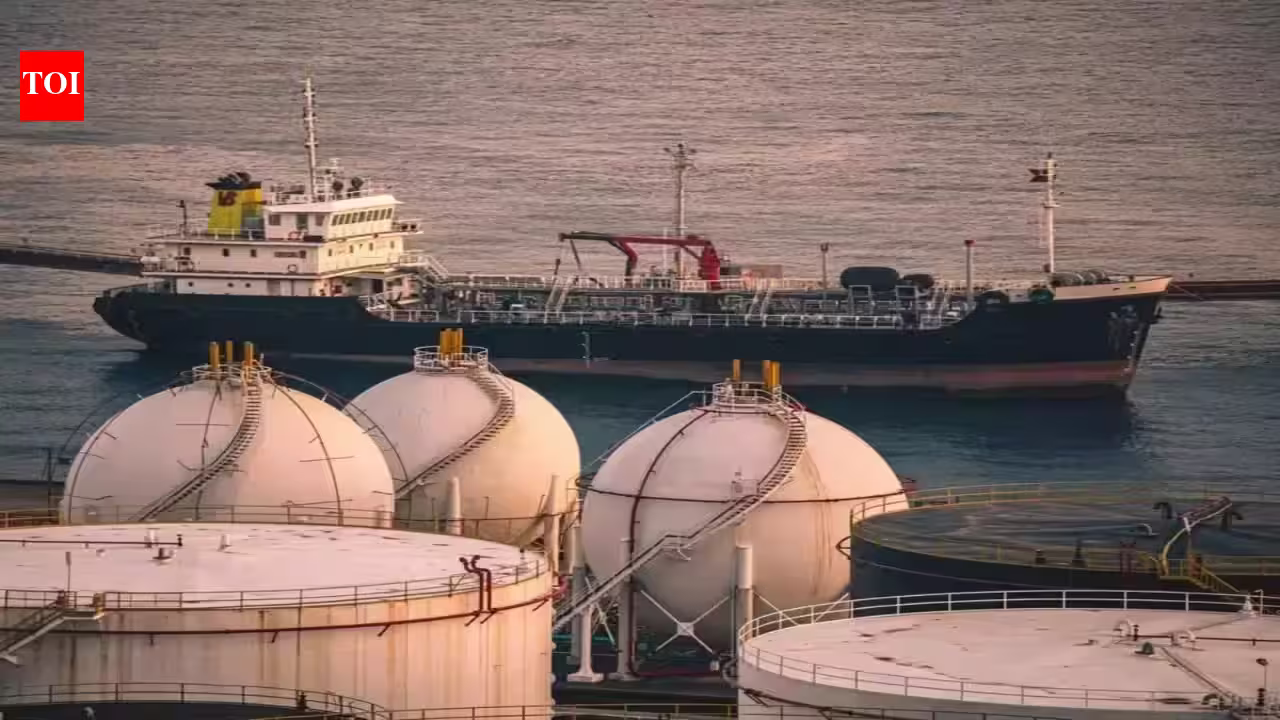
At the heart of this tension lies the “shadow fleet” dilemma. The United States is actively contemplating the relaxation of restrictions on tankers that transport oil from sanctioned jurisdictions, specifically Russia, Iran, and Venezuela. This strategic pivot is motivated by a desire to lower record-high global freight rates and increase the volume of available oil in the market. However, such a move is fraught with diplomatic risk. The temporary lifting of sanctions on Russian diesel fuel previously invited intense scrutiny from European partners and Ukrainian leadership, highlighting the difficulty of balancing domestic economic relief with broader geopolitical alliances. For the energy market, any official policy shift regarding these tankers would signify a massive influx of hidden supply, potentially cooling prices but simultaneously complicating international sanction regimes.
Supply Side Interventions and Strategic Reserves
The International Energy Agency (IEA) has emerged as a key player in attempting to stabilize a turbulent market. By coordinating the release of 20 million barrels of diesel and tapping into remaining emergency reserves, the agency is signaling a concerted effort to curb the inflationary pressure exerted by high energy costs. These releases are not merely logistical; they are psychological tools meant to reassure the market that inventories are being managed against sudden shortages.
Despite these efforts, the efficacy of reserve releases remains limited in the long term. While they provide immediate relief to refineries and help moderate localized price spikes, they do not address the fundamental structural deficits in production capacity. The market recognizes that emergency stockpiles are finite. Therefore, the reliance on reserves often acts as a stop-gap measure rather than a solution to the supply-demand imbalance. Traders are increasingly looking past the current inventory data, focusing instead on whether major oil-producing nations can—or will—sustain higher production levels amidst the persistent threats to maritime logistics and infrastructure.
The Middle East Conflict and Infrastructure Risk
If supply and inventory management represent the economic side of the equation, the escalation in the Middle East represents the risk premium that keeps prices elevated. The intensification of the conflict involving Saudi Arabia and the Houthi movement in Yemen has moved beyond localized skirmishes to direct threats against critical energy infrastructure. Recent attacks on ships in key waterways and the targeting of government facilities in Aden underscore a deteriorating security environment.
For global trade, the security of maritime chokepoints is non-negotiable. When conflict approaches the shipping lanes that facilitate the transport of millions of barrels of crude oil daily, insurance premiums rise and shipping companies grow cautious. These operational costs eventually filter down to the final price of oil. The situation in the region is further complicated by the response from Iran, which has vowed to increase strike activity in reaction to US port blockades and tightened sanctions. As long as these infrastructure sites remain targets, the “war premium” embedded in the price of a barrel of oil will remain a dominant factor, effectively offsetting some of the downward pressure caused by increased supply or inventory releases.
Implications for the Indian Economy
For a nation like India, which imports over 80 percent of its crude oil requirements, these global developments are of critical national interest. The Indian economy is uniquely exposed to oil price volatility, as it directly impacts the Current Account Deficit (CAD) and retail inflation. High oil prices lead to higher input costs for the manufacturing sector and increased logistical expenditures across the country.
When Brent crude trades in the triple-digit range, the impact on India’s fiscal math is significant. The government is often forced to walk a tightrope between absorbing the price hike through reduced excise duties and passing the burden on to the end consumer, which can dampen domestic consumption. Furthermore, India’s strategic interest lies in a stable Middle East, as it is a major source of both energy supplies and remittances. The current tension in the region, coupled with the potential shifting of sanctions on the “shadow fleet,” presents a double-edged sword for New Delhi. On one hand, a cooling of global oil prices due to increased supply from sanctioned nations would be a boon for India’s trade balance. On the other, India must carefully navigate its international relations to ensure that its energy security strategy remains consistent with its commitment to global stability and domestic economic health.
Analytical Outlook: Navigating the Uncertainty
Looking ahead, the market is unlikely to see a sustained decline in prices unless there is a resolution to the geopolitical flashpoints or a definitive increase in sustainable global production. Investors should anticipate continued volatility as long as the US weighs its sanctions policy against its need for lower energy prices. The “shadow fleet” discussion represents a significant shift in trade policy; should the US proceed with easing these sanctions, it could fundamentally reorder global supply chains, allowing previously restricted oil to reach international ports more easily.
However, the volatility inherent in the Middle East remains the primary wild card. As demonstrated by recent attacks on Saudi infrastructure, physical threats to the oil industry can move markets far more rapidly than policy adjustments. For businesses and policymakers, the current environment necessitates a shift in risk management strategies. Hedging against price spikes and diversifying energy sources—moving toward a mix of renewables and traditional fuels—are no longer just long-term environmental goals but immediate economic imperatives. The era of cheap and predictable energy has temporarily concluded, replaced by a complex landscape where diplomacy, maritime security, and commodity trading are inextricably linked. The coming months will require a disciplined approach to monitoring both the diplomatic signals from Washington and the tactical developments in the Red Sea and Gulf regions.
Disclaimer: This content is auto-generated for informational purposes only.
Source: Read Original News