









Mexico’s financial landscape is currently defined by a sharp dichotomy: rapid technological transformation within the private sector versus persistent fiscal headwinds at the sovereign level. As digital infrastructure becomes the backbone of the economy, the country is navigating a complex transition that is attracting billions in foreign investment while forcing a re-evaluation of its long-term credit stability.
The Digital Shift: Fintech and the Rise of SPEI
The most significant trend reshaping daily commerce in Mexico is the meteoric rise of real-time digital payments. Data indicates that the Interbank Electronic Payment System (SPEI) is on a trajectory to eclipse traditional credit and debit card transactions by the end of 2026. This shift underscores a broader democratization of financial services, with nearly 73.5 million adults now utilizing electronic transfers.
Fintech giants are capitalizing on this appetite for digital-first banking. Revolut, the British digital banking powerhouse, has announced an ambitious US$250 million investment plan for the Mexican market through 2027. Having already secured 1 million customers in less than a year of full operations, the company is betting heavily on the country’s transition away from cash-heavy habits toward integrated mobile banking platforms. This influx of capital highlights a growing confidence among global players in Mexico’s ability to adopt and scale advanced fintech solutions.
Structural Consolidation and Economic Projections
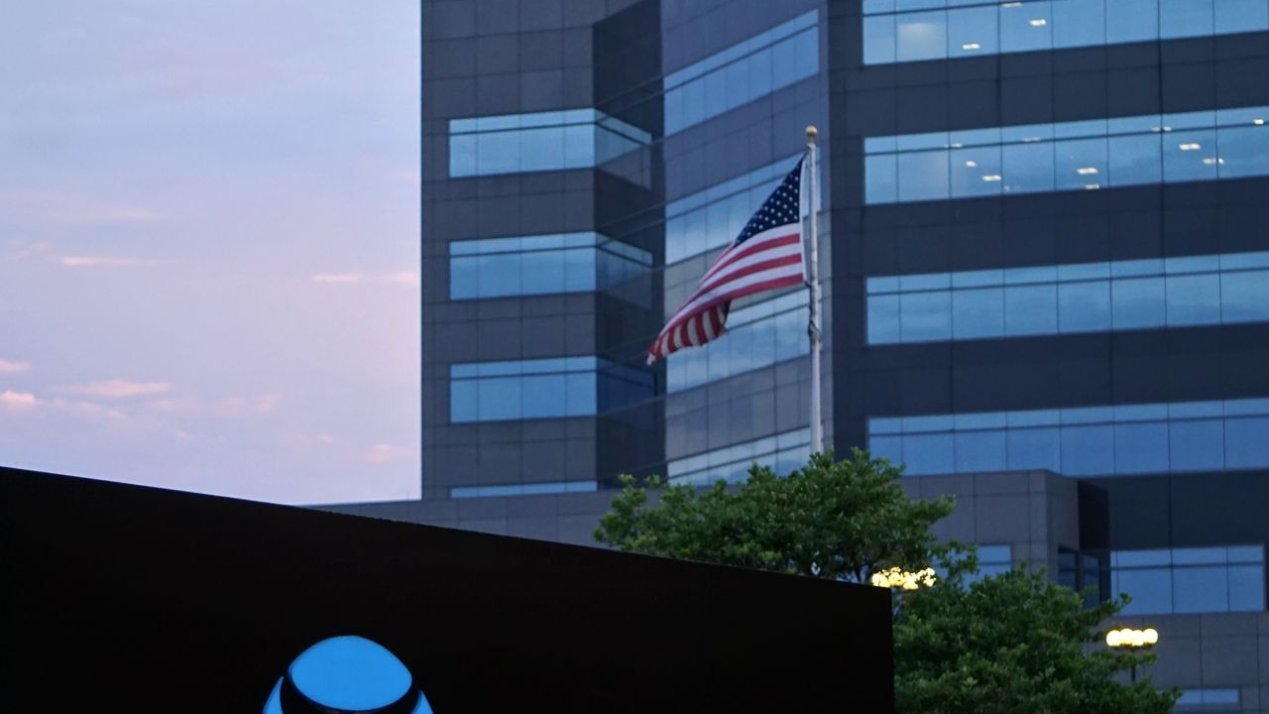
Beyond personal finance, major structural shifts are occurring in the telecommunications sector. A landmark agreement has seen Grupo Televisa and Fintech Holdings move to acquire AT&T Mexico in a deal valued at US$2 billion. If granted regulatory approval, the merger would create a massive telecommunications entity serving over 25 million mobile users and nearly 6 million fixed-line subscribers. By pooling network infrastructure and 3.5 GHz spectrum, the new entity aims to position itself as a dominant force capable of accelerating the rollout of 5G technology across the country.
This corporate activity coincides with a cautiously optimistic outlook from the International Monetary Fund (IMF). The organization recently upwardly revised its 2026 GDP growth forecast for Mexico to 1.5%, citing the resilience of the nation’s exports. Mexico’s deep integration into North American manufacturing supply chains—coupled with the increasing role of artificial intelligence in industrial production and logistics—is expected to drive sustained activity. However, the IMF warns that geopolitical tensions and fluctuations in global energy prices remain significant risks that could stifle this growth.
Sovereign Credit Pressures and Future Outlook
While the private sector accelerates, the public sector is facing a harsher reality. HR Ratings has downgraded the long-term sovereign debt rating of Mexico, along with that of the state-owned oil company PEMEX, to BBB. This decision reflects deep-seated concerns regarding persistent fiscal pressures and the long-term feasibility of public debt management.
For PEMEX, the downgrade highlights the ongoing struggle to balance a massive refining strategy with declining crude oil production. The company is currently tasked with reducing its reliance on imported fuel, a goal that requires immense capital expenditure even as its operational efficiency comes under scrutiny.
As Mexico moves into the next phase of its economic development, the contrast between the innovative, fast-moving digital payment sector and the sluggish, debt-burdened state enterprises will likely dominate the narrative. Investors are now watching closely to see if the growth fueled by nearshoring and digital infrastructure can outpace the fiscal constraints currently weighing on the nation’s credit profile. For businesses, the message is clear: while Mexico remains a hub of opportunity for high-tech and export-oriented ventures, navigating the evolving fiscal environment will require strategic agility and a keen focus on operational efficiency.
Disclaimer: This content is auto-generated for informational purposes only.
Source: Read Original News