







The modern educational landscape in India stands at a critical juncture, caught between the rigid traditions of rote memorization and the urgent necessity for critical inquiry. As explored by scholar and commentator Shelley Walia in The Hindu, the prevailing focus on high-stakes testing and institutional standardization is systematically eroding the intellectual autonomy of the student. To move forward, we must re-evaluate not just how we teach, but why we teach.
The Tyranny of the Examination
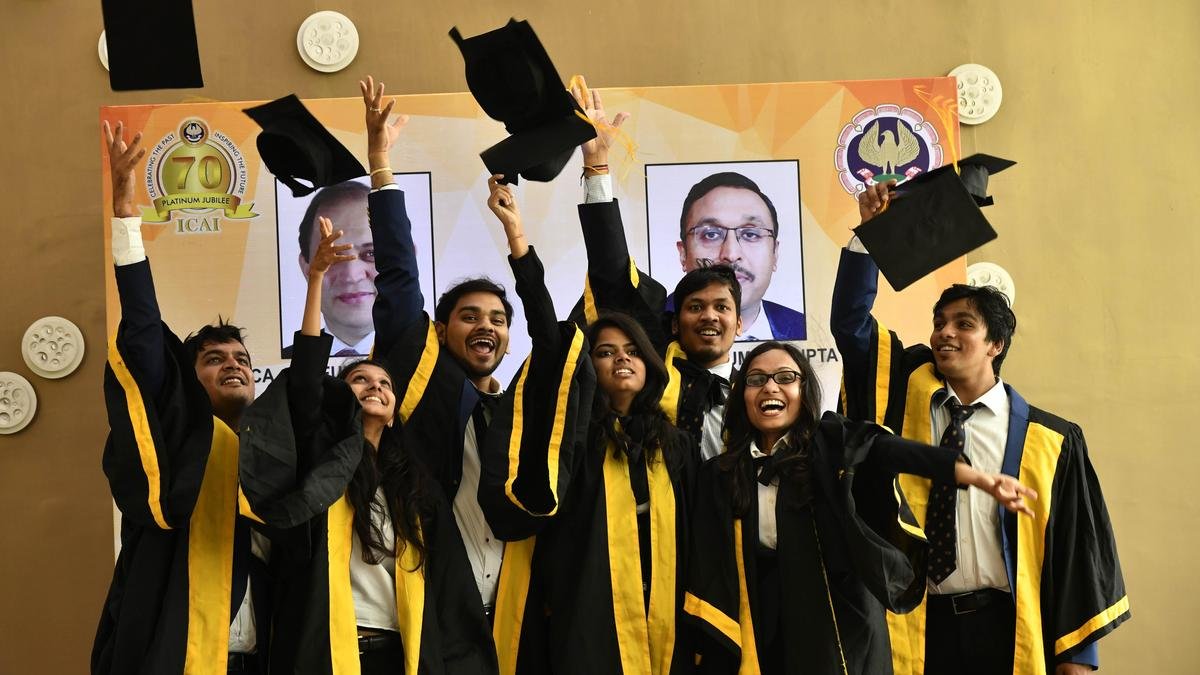
At the heart of the crisis is the “examination obsession.” For decades, the Indian education system has functioned as a conveyor belt designed to churn out test-takers rather than thinkers. As Walia points out, when the primary objective of schooling becomes the accumulation of marks, the curriculum inevitably shrinks to fit the test. This creates a feedback loop where students prioritize memorization over conceptual understanding, and teachers are incentivized to “teach to the test” rather than spark curiosity.
This culture of assessment transforms institutions into factories of anxiety. When academic success is narrowed down to a single percentile, the broader purpose of education—the development of a robust, analytical mind—is relegated to the periphery. The pressure to conform to standardized metrics discourages creative risk-taking and intellectual dissent, both of which are essential for true scholarship.
Institutional Drift and Intellectual Conformity
Institutions of higher learning, which should ideally serve as bastions of debate and philosophical exploration, are increasingly preoccupied with bureaucratic compliance and global rankings. Walia notes that this shift toward “market-driven” education undermines the autonomy of both faculty and students. When universities prioritize industry-readiness over intellectual breadth, they sacrifice the Humanities—those disciplines that teach us how to engage with the world, question power, and understand the human condition.
The corporatization of the university environment suggests that knowledge is merely a commodity to be acquired for job placement. While vocational training is vital, the erasure of the liberal arts tradition within these institutions risks creating a generation of technically proficient individuals who lack the ethical and cultural framework to navigate a complex, polarized world.
Policy and the Need for a Paradigm Shift
Recent policy changes, including those outlined in the National Education Policy (NEP), often promise a shift toward multidisciplinary learning and holistic development. However, as Walia argues, structural changes in policy are hollow without a corresponding shift in pedagogical culture. If the underlying mechanism remains a high-stakes, exam-centric model, the spirit of “critical thinking” becomes merely a buzzword rather than a lived reality.
For policy to be effective, it must provide the space for pedagogy that prioritizes the process of learning over the product of results. This means reducing the weight of standardized testing, fostering collaborative environments, and investing in faculty who are empowered to challenge, rather than simply transmit, conventional wisdom. The classroom must evolve from a place of passive reception to an arena of active participation.
Reclaiming the Purpose of Learning
The path forward requires a re-centering of the student as a critical actor. Learning should be viewed as an ongoing, exploratory process that encourages the interrogation of societal norms. To achieve this, institutions must champion intellectual freedom. They must be places where uncomfortable questions are asked, where evidence is debated, and where the goal is to cultivate an educated citizenry rather than merely an employable workforce.
Walia’s critique serves as a necessary wake-up call for stakeholders at all levels—policymakers, educators, and parents. If we continue to mistake high test scores for deep learning, we will continue to starve our intellectual future. Reclaiming the true essence of education means acknowledging that the ultimate measure of success is not a mark sheet, but the capacity of an individual to think independently, empathize deeply, and contribute meaningfully to the discourse of their time.
Breaking the shackles of the examination model is not just an academic imperative; it is a societal necessity. Only by fostering an environment that values inquiry over compliance can we hope to nurture the kind of intellectual courage required to address the challenges of the 21st century.
Disclaimer: This content is auto-generated for informational purposes only.
Source: Read Original News