





Tensions Escalate in New Delhi as Protesters Demand Resignation of Election Chief
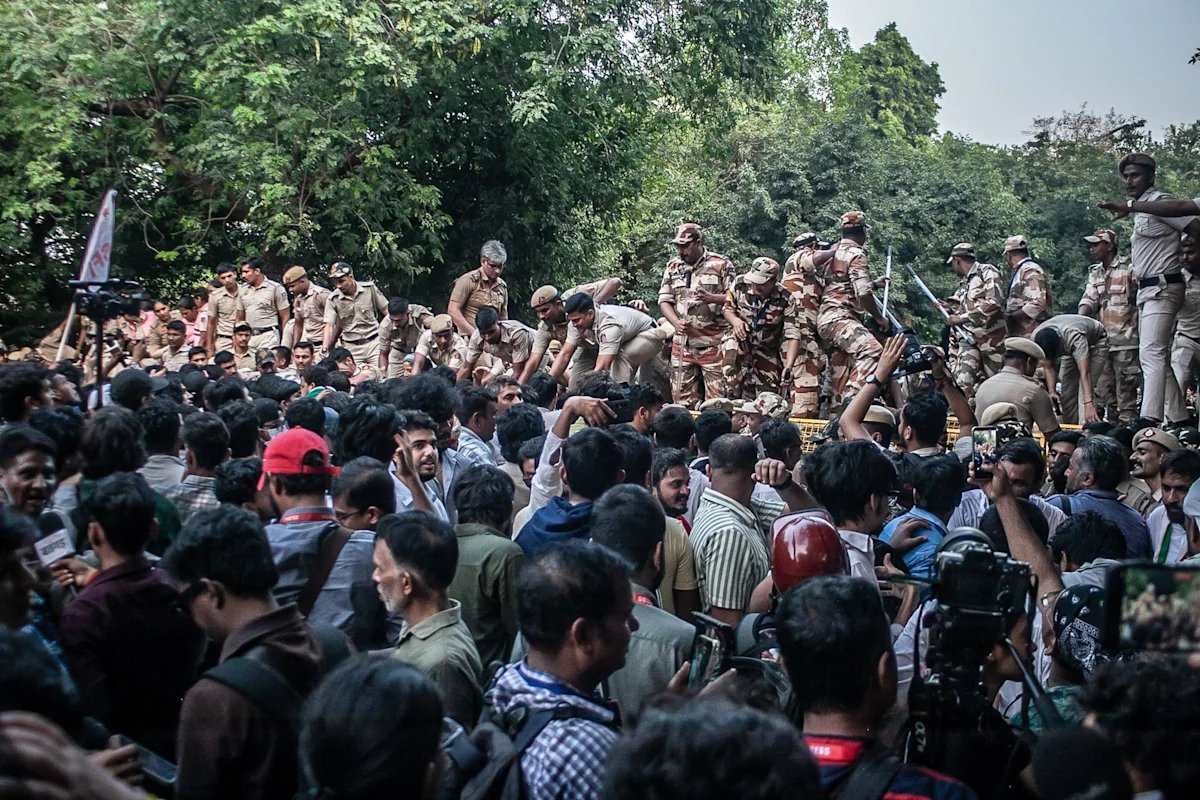
Thousands of demonstrators flooded the heart of New Delhi on Friday, transforming the bustling commercial hub of Connaught Place into a sea of Indian flags. The massive turnout served as a stark public rebuke of Prime Minister Narendra Modi’s administration, specifically targeting the ongoing nationwide review of electoral rolls.
Growing Public Outcry Over Voter Rolls
The primary objective of the protesters is the immediate resignation of Gyanesh Kumar, the head of the Election Commission of India. At the core of the unrest is a contentious audit of voter lists that has seen over 130 million names removed since last year.
Critics of the exercise, including youth activists and opposition figures, argue that the purge is a calculated political move. They contend that the removal of these names disproportionately targets marginalized communities, particularly Muslims, effectively stripping millions of their constitutional right to vote. While the Election Commission and government officials maintain that the revisions are a routine administrative necessity intended to eliminate duplicates and ineligible entries, the sheer scale of the deletions has fueled widespread distrust.
The Rise of the “Cockroach” Movement
The rally was organized under the banner of the “Cockroach” movement, a grassroots youth collective that has emerged as a significant thorn in the side of the ruling party. The movement originated as an online satire campaign during the summer, sparked by a controversial comment from India’s chief justice, who once compared unemployed youth to parasites.
Rather than cowering, young Indians reclaimed the slur. By adopting the cockroach as a symbol of resilience and persistence, the campaign quickly transitioned from internet memes to a potent nationwide political force. Its influence is already tangible; in July, persistent protests spearheaded by the group successfully forced the resignation of a high-ranking education minister, marking a rare and significant political defeat for Prime Minister Modi’s long-standing administration.
Police Crackdown and Administrative Response
Despite heavy security and the pre-emptive detention of movement leader Abhijeet Dipke, the crowd size surged, significantly outpacing the riot police deployed to maintain order. Video footage circulated on social media showed authorities intercepting Dipke at a private residence and whisking him away in a police vehicle before the demonstrations commenced.
In a further effort to stifle the protest, authorities shuttered Central Park for the duration of the weekend and discouraged the public from gathering. While the government has remained largely silent on the specific grievances regarding voter rolls, some ruling party officials have attempted to discredit the protesters, labeling them “anarchists” and alleging, without providing evidence, that the movement is funded by foreign entities.
The situation remains fluid. While Modi’s government maintains a strong electoral foothold, these protests demonstrate that the pressure is originating from a diverse coalition of citizens rather than traditional party politics. As the dispute over voter rolls touches the very foundation of India’s democratic process, it remains uncertain whether the “Cockroach” movement can sustain this momentum or if the administration will offer any formal concessions to quell the rising tide of unrest.
Disclaimer: This content is auto-generated for informational purposes only.
Source: Read Original News