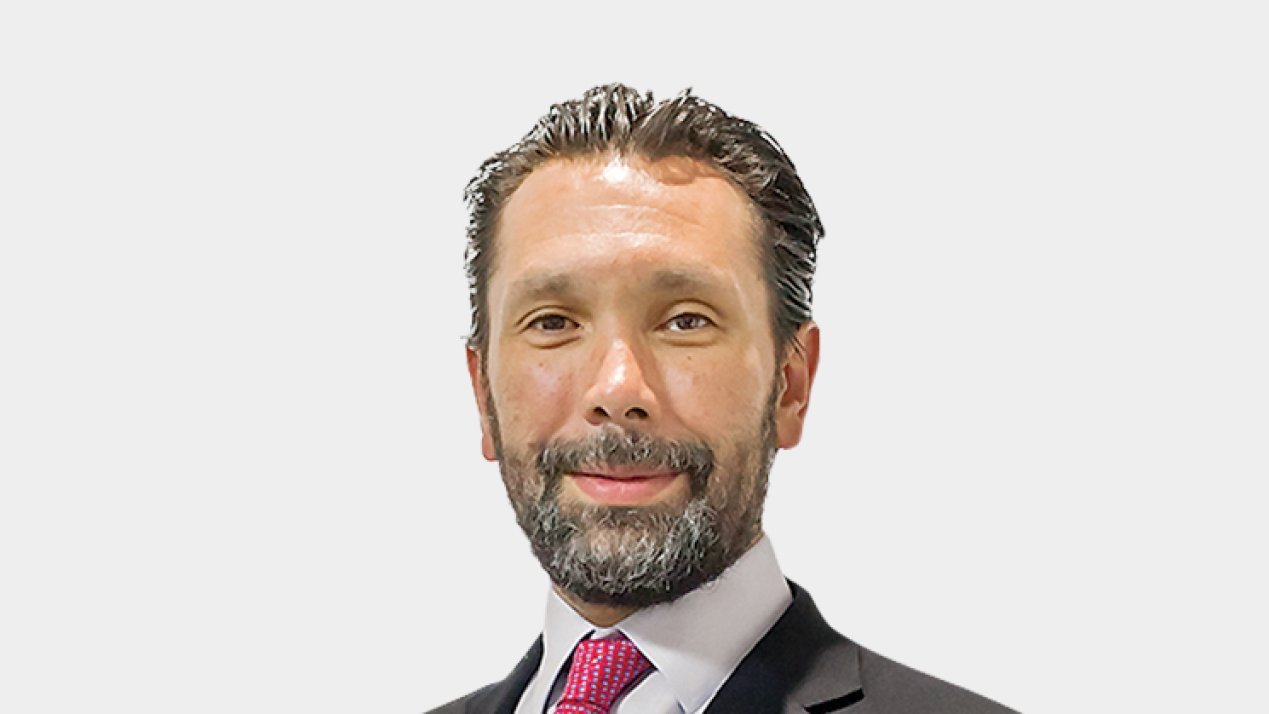









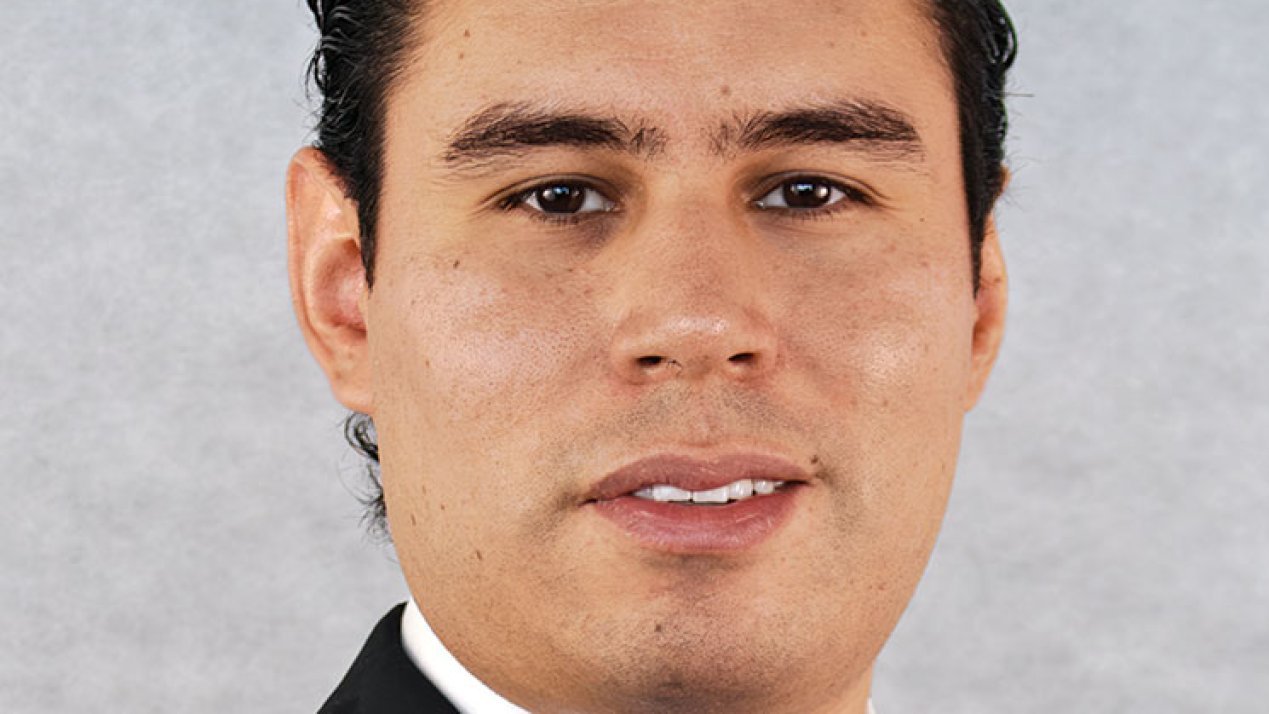
In a strategic pivot that underscores the shifting landscape of Mexican trade, CM Logistics has successfully transitioned from a traditional third-party logistics (3PL) provider to an asset-heavy operator. This transformation, initiated twenty months ago, was driven by a foresight that international freight volumes—particularly maritime imports—would face significant contraction due to global uncertainty and evolving tariff structures.
By investing in its own terrestrial fleet, the company has insulated itself from the volatility currently gripping major logistics hubs like the Port of Manzanillo, where reduced vessel density has replaced former congestion.
Navigating Global Volatility Through Diversification
While international maritime and air sectors face headwinds, CM Logistics has identified significant expansion opportunities by diversifying its market reach. The firm is actively facilitating exports to emerging markets in Southeast Asia—including Malaysia, Vietnam, and Indonesia—and strengthening ties in Africa and the Middle East.
This shift comes at a critical time when Mexico is gaining increased global visibility, bolstered in part by its role as a host for the upcoming FIFA World Cup. However, this global push is not without domestic friction. Recent regulatory reforms to the Mexican Customs Law have introduced administrative delays, creating a complex environment for exporters. To mitigate these challenges, the company relies on an extensive network of international agents and meticulous pre-shipment planning, ensuring that clients avoid the pitfalls of non-compliance and costly logistical bottlenecks.
The Role of Tech and Human Expertise in Modern Supply Chains
In an era dominated by rapid digital transformation and the increasing integration of AI, the company emphasizes that technology remains a tool to support, not replace, fundamental operational discipline. The firm is bridging the “knowledge gap” for SMEs that lack internal logistics departments. By operating as a direct extension of their clients’ organizations, they handle the nuances of global trade, from regulatory frameworks to the mastery of Incoterms—a foundational area where the company notes that nearly 70% of current industry operations still struggle.
Furthermore, CM Logistics is actively fostering a multi-generational workforce, blending the technical agility of younger professionals with the deep industry experience of veterans. This hybrid approach ensures that institutional knowledge is preserved while allowing the company to adopt modern operational workflows.
Security as a Foundation for Growth
A central pillar of the company’s current growth strategy is treating security not as an ancillary cost, but as an integral part of infrastructure. In an industry where low-cost providers often lack the robust security protocols needed to protect high-value capital, CM Logistics positions its commitment to Authorized Economic Operator (AEO) standards as a strategic differentiator.
This commitment to reliability is demonstrated through their proactive approach to risk management. In instances where cargo is affected by unforeseen port authority inspections or logistics failures, the company’s internal operational risk coverage serves as a safety net for clients. This philosophy—that the true value of a logistics partner is measured by the “peace of mind” provided to the customer—is a core tenet of their business model.
Reflecting on the evolution of the logistics sector, the company draws inspiration from the history of industry giants, noting that even the most massive global fleets began with a single truck. By mastering the small details today and maintaining a balance of physical assets, human expertise, and administrative rigor, CM Logistics aims to cement its status as a premier Mexican firm, proving that a national provider can hold its own against the complexities of the global market.
Disclaimer: This content is auto-generated for informational purposes only.
Source: Read Original News