






The Evolution of Hardware-Based Retro Preservation
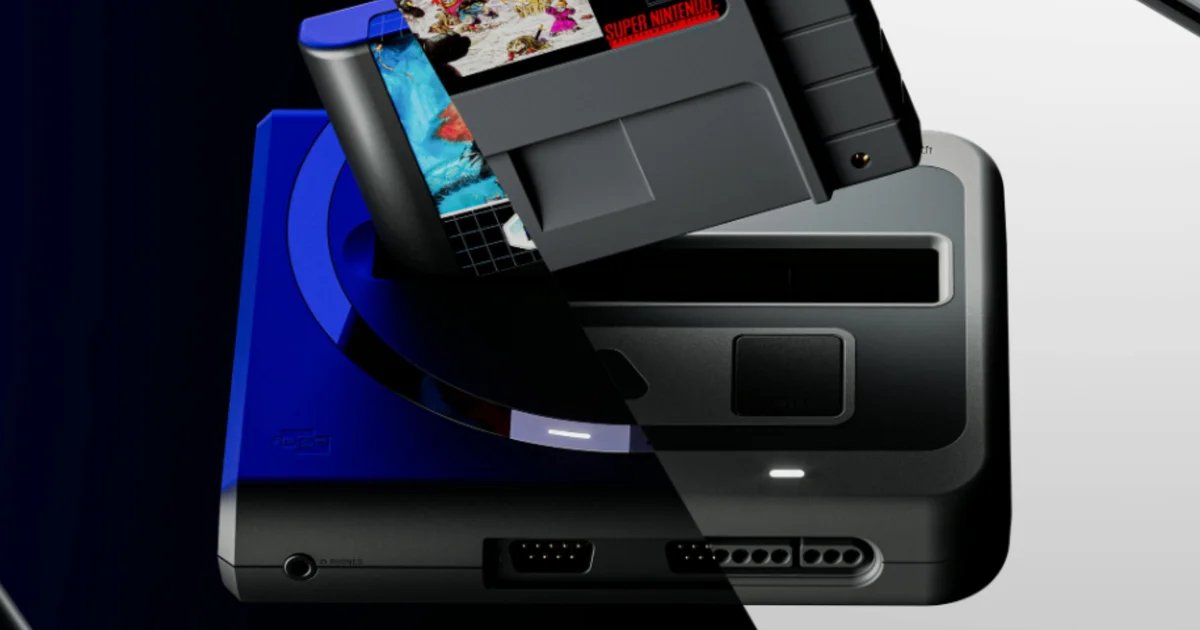
For years, the preservation of classic gaming history has been caught in a tug-of-war between high-latency software emulation and the fragility of aging hardware. Analogue, a company known for prioritizing authenticity, has recently announced the Mega Sg+ and Super Nt+. These machines serve as updated iterations of their beloved predecessors, refining the bridge between original cartridge-based media and modern display technology.
At the heart of these consoles lies a sophisticated Field Programmable Gate Array (FPGA). Unlike traditional software emulation, which attempts to approximate the behavior of original hardware through code, FPGA technology allows for the physical reconfiguration of silicon logic circuits. By designing these FPGAs from scratch, Analogue aims to replicate the exact timing, sound processing, and video output of the original Sega and Nintendo hardware at a hardware level. The result is a system that processes games with zero input lag and total accuracy, effectively behaving like a new, modernized version of the original consoles rather than a translation layer.
Hardware Prowess and Technical Specifications
The Mega Sg+ and Super Nt+ are engineered to provide a seamless experience for those who possess physical game collections. The technical specifications emphasize a “purpose-built” approach to 1080p output, specifically tailored for the unique aspect ratios and sub-pixel geometries of 2D sprites. This focus on native 1080p ensures that pixel art remains sharp and appropriately scaled, avoiding the artifacts often introduced by standard upscalers.
Beyond visual fidelity, Analogue has addressed modern conveniences that were missing from early console generations. Both systems now feature integrated support for both Bluetooth and 2.4GHz wireless controllers. This allows players to utilize contemporary wireless pads without the need for cumbersome dongles or third-party adapters. By standardizing wireless input, Analogue ensures that the connection remains as responsive as the original wired controllers, maintaining the integrity of fast-paced platformers and shooters that define these libraries.
Compatibility Across Generations
One of the most impressive feats of the Mega Sg+ is its vast compatibility. The machine boasts 100 percent compatibility with over 2,180 games spanning the Sega Genesis, Mega Drive, and Master System libraries. Furthermore, it supports the Game Gear, Mycard Adapter, Mark III, and SG-1000 systems. This comprehensive support turns the console into a central hub for Sega’s entire 8-bit and 16-bit history, eliminating the need to own multiple disparate pieces of aging hardware.
Similarly, the Super Nt+ is designed to handle a massive catalog of over 2,200 Super Nintendo and Super Famicom titles. By utilizing high-fidelity FPGA cores, these machines bypass the common pitfalls of hardware degradation—such as capacitor leakage or failing CPU chips—while retaining the ability to read original data from physical cartridges. For collectors, this means the ability to keep original media in circulation, playing games exactly as they were designed to be played in the early 1990s, but on displays that would have been physically impossible to drive during that era.
Refining the User Experience
The physical design of the Mega Sg+ and Super Nt+ has undergone an “industrial” shift, emphasizing both form and function. Beyond aesthetics, the functional quality-of-life updates are notable. Users can now hot-swap cartridges without the need to toggle the power switch. By simply quitting the active session within the software menu, the console remains active while the physical media is changed. This fluid transition between titles mimics the convenience of modern consoles while respecting the traditional cartridge-loading interface.
Another significant improvement is the inclusion of remote power management. Owners can now power the consoles on and off directly from their controllers, a standard feature in modern gaming that was absent in original 8-bit and 16-bit consoles. Additionally, the move to USB-C for power delivery acknowledges modern electrical standards, with the necessary power supply and high-quality cables included in the box. These refinements signify a shift from viewing retro consoles as static museum pieces to seeing them as functional, daily-use electronics.
The Impact on Gaming Preservation
The broader impact of these releases is found in the longevity of gaming culture. As original consoles fail due to age and high-definition televisions lose the ability to interpret the low-resolution signals of the past, hardware solutions like the Mega Sg+ and Super Nt+ become essential. They provide a standardized, reliable platform that serves as a modern baseline for future play.
By moving away from software emulation and toward hardware-level replication, Analogue provides a bridge for enthusiasts to continue engaging with original cartridges indefinitely. The release of these systems ensures that the library of classic games remains accessible and performant, irrespective of the wear and tear on original, decades-old consoles. For those who view these game libraries as cultural artifacts, the Mega Sg+ and Super Nt+ represent the most accurate way to interact with the history of the medium, ensuring that the legacy of the 8-bit and 16-bit eras continues to be experienced with the same precision and responsiveness that defined their initial launch.
Disclaimer: This content is auto-generated for informational purposes only.
Source: Read Original News