








STRATEGIC EVOLUTION remains the order of the day as the Board of Control for Cricket in India (BCCI) officially signaled a shift in its long-term ODI blueprint with the announcement of the squads for the upcoming five-match series against New Zealand. With eyes firmly locked on the 2027 World Cup in Africa, selectors have orchestrated a series of bold, calculated omissions and additions, proving that no player’s position is guaranteed in this high-stakes grooming phase.
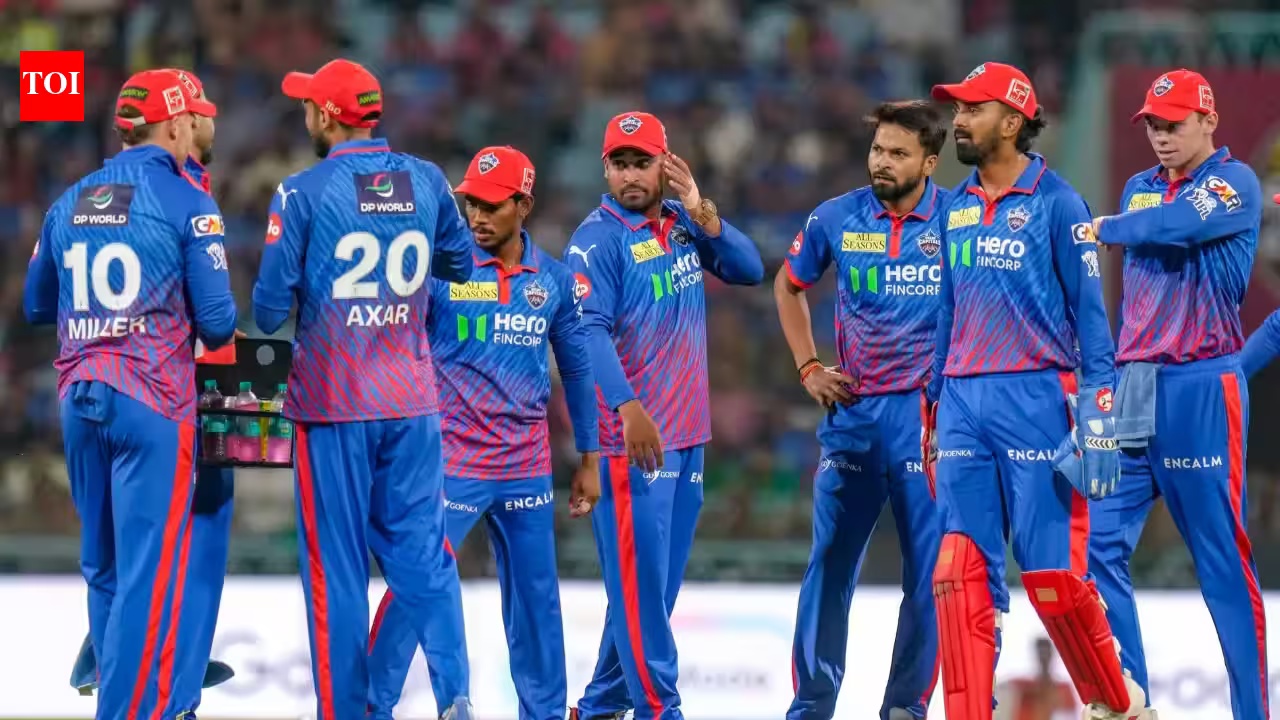
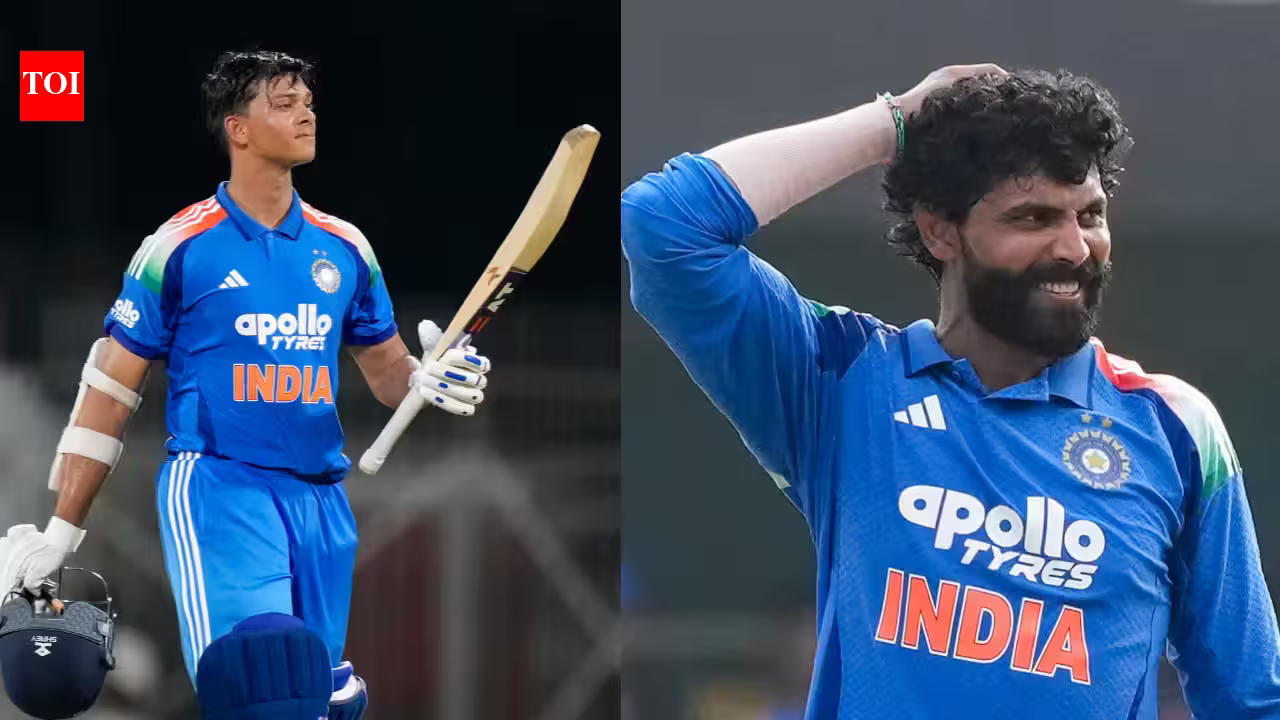
The most jarring headline from Friday’s announcement is the absence of veteran allrounder Ravindra Jadeja, who has been omitted from the squad for the first three matches against the Black Caps. A linchpin of the Indian setup for over a decade, Jadeja’s recent decline in form has evidently pushed the selectors toward a difficult crossroads. By drafting Axar Patel as a direct replacement, the BCCI is clearly testing the depth of its spin-bowling allrounder pool. Patel, who last saw ODI action in July against England, arrives with a clear mandate: solidify his credentials as a vital cog for the 2027 cycle before the window of opportunity closes.
The Jaiswal Question and Top-Order Flux
Perhaps even more puzzling to the casual observer is the total exclusion of Yashasvi Jaiswal from both squads. Widely considered the heir apparent to the opening throne, Jaiswal’s absence leaves a gaping void in the team’s tactical planning, particularly with the transition of Shubman Gill.
The strategy appears to be a delicate balancing act. Gill, who has been named captain for the opening three ODIs, is slated to depart the limited-overs bubble early to prioritize his red-ball preparation ahead of the highly anticipated Test series beginning just four days after the final ODI. While the BCCI has remained mum on the rationale behind Jaiswal’s exclusion, the move suggests a focus on alternative combinations as they determine the most effective partner for Rohit Sharma in the long run.
Load Management and the Test Preparation Shuffle
The complexity of the current international calendar is reflected in the dual-squad structure. The BCCI has effectively bifurcated the series, with significant personnel shifts occurring after the third match. This rotation policy is designed to insulate the Test regulars—namely Gill, KL Rahul, Anshul Kamboj, and Prasidh Krishna—from the physical and mental fatigue associated with the final stages of the white-ball series.
This rotational policy has opened the door for a wave of new talent to stake their claim. In the pace department, the inconsistent Auqib Nabi—who struggled during the recent Guwahati clash, leaking 84 runs without reward—has been dropped from the initial squad, with Anshul Kamboj taking the reins. However, the plan is fluid; as Kamboj pivots to Test preparations, Nabi is set for a redemption arc, returning for the final two fixtures.
Meanwhile, the return of Ishan Kishan is a major narrative arc for the wicketkeeping department. Despite Dhruv Jurel’s inclusion in recent camps, his failure to secure playing time during the West Indies series has cost him his spot. Kishan, alongside returning stalwarts Shreyas Iyer and Arshdeep Singh, reclaims his position in the hierarchy, offering a dynamic middle-order option that the team clearly missed during their recent commitments elsewhere.
The Road to 2027: New Names on the Horizon
If the first three ODIs are about establishing a core rhythm, the final two matches will serve as an audition for the future. The inclusion of Tilak Varma, who joins the fray for the last two games, alongside potential debutants Kumar Kushagra and Yash Thakur, signals that the selectors are ready to blood fresh blood.
Kushagra’s inclusion is particularly noteworthy as India continues its search for a long-term wicketkeeper-batter capable of handling the pressures of international cricket. Similarly, the introduction of Yash Thakur into the bowling attack provides a chance to evaluate the depth of India’s pace reserves on the global stage.
The Road Ahead
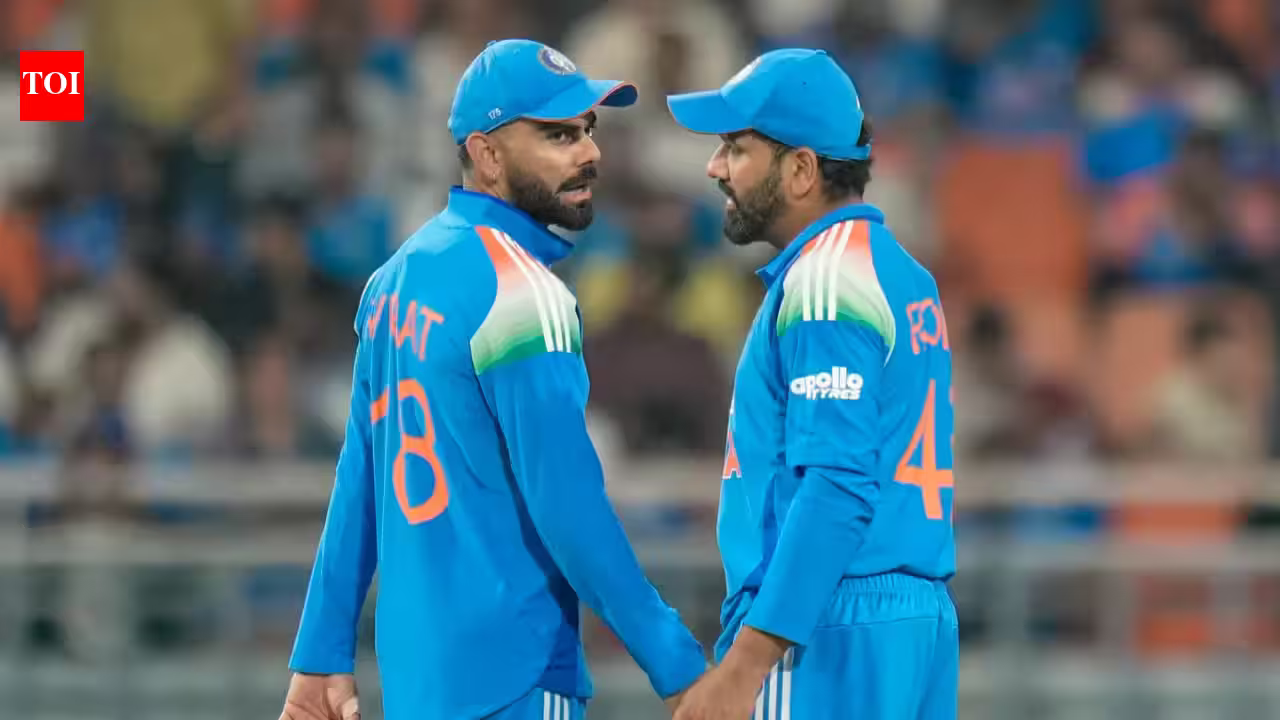
As the series against New Zealand looms, the pressure on the current group of players is palpable. For veterans like Rohit Sharma and Virat Kohli, the matches serve as a way to maintain momentum, but for the rest of the squad, these are essentially audition tapes for the 2027 World Cup.
The split-squad experiment demonstrates a mature, if ruthless, approach to player management. By prioritizing the upcoming Test matches while simultaneously stress-testing the bench in ODIs, India is attempting to master the art of multi-format success. Whether this revolving-door policy fosters the consistency needed to win a World Cup remains to be seen, but one thing is certain: in the current Indian setup, the only constant is change.
India’s Squad for the First Three ODIs: Shubman Gill (C), Rohit Sharma, Virat Kohli, Shreyas Iyer (VC), KL Rahul (WK), Nitish Kumar Reddy, Axar Patel, Naman Dhir, Anshul Kamboj, Gurnoor Brar, Ruturaj Gaikwad, Arshdeep Singh, Ishan Kishan (WK), Mohammed Siraj, Prasidh Krishna, Kuldeep Yadav.
India’s Squad for Fourth and Fifth ODIs: Shreyas Iyer (C), Rohit Sharma, Virat Kohli, Tilak Varma, Ishan Kishan (WK, VC), Nitish Kumar Reddy, Axar Patel, Naman Dhir, Auqib Nabi, Gurnoor Brar, Ruturaj Gaikwad, Arshdeep Singh, Kumar Kushagra (WK), Mohammed Siraj, Yash Thakur, Kuldeep Yadav.
Disclaimer: This content is auto-generated for informational purposes only.
Source: Read Original News