








The rapid pace of technological advancement often leaves consumers with hardware that functions perfectly from a mechanical standpoint but fails when software support is withdrawn. As manufacturers consolidate product lines or shift focus to newer ecosystems, devices—particularly those in the smart home category—can lose their cloud-based connectivity. When support for a product like the Google Nest thermostat is discontinued, users are faced with the challenge of either replacing the unit, recycling it, or finding ways to maintain its utility through alternative means.
Understanding the Impact of Discontinued Support
When a company officially ends support for a device, the most immediate consequence is the loss of cloud connectivity. For smart home devices, this typically means the product can no longer communicate with the manufacturer’s central server. As a result, mobile application integration, remote control capabilities, and automated cloud-based features cease to function. In the case of Google Nest, this transition represents a broader shift toward integrating all smart home technology under the unified Google Home platform.
For the average consumer, this realization is frustrating. A device that was once an integrated part of a modern, automated household suddenly becomes a siloed piece of hardware. However, it is important to recognize that the physical components—the sensors, relays, and interface screens—remain intact. While the “smart” layer is stripped away, the foundational hardware still possesses the potential for operational use.
The Role of Open-Source Firmware
One of the most effective ways to address the obsolescence of smart devices is the deployment of custom, open-source firmware. Developers in the hobbyist community often take it upon themselves to reverse-engineer discontinued protocols to restore lost features. This approach involves redirecting the device’s data traffic from the original manufacturer’s servers to a custom-hosted server that runs a replica of the necessary backend software.
This process effectively acts as a bridge, allowing the device to regain its smart capabilities without needing original vendor support. For example, projects targeting older Nest thermostats seek to maintain the device’s ability to communicate with local networks, allowing for automated temperature adjustments without relying on a decommissioned cloud service. While this is an elegant solution for those with technical knowledge, it is not without risk. Custom firmware installations can potentially “brick” a device, rendering it permanently non-functional. Users considering this path should weigh the technical requirements against the possibility of complete hardware failure.
Manual Operation as a Reliable Alternative
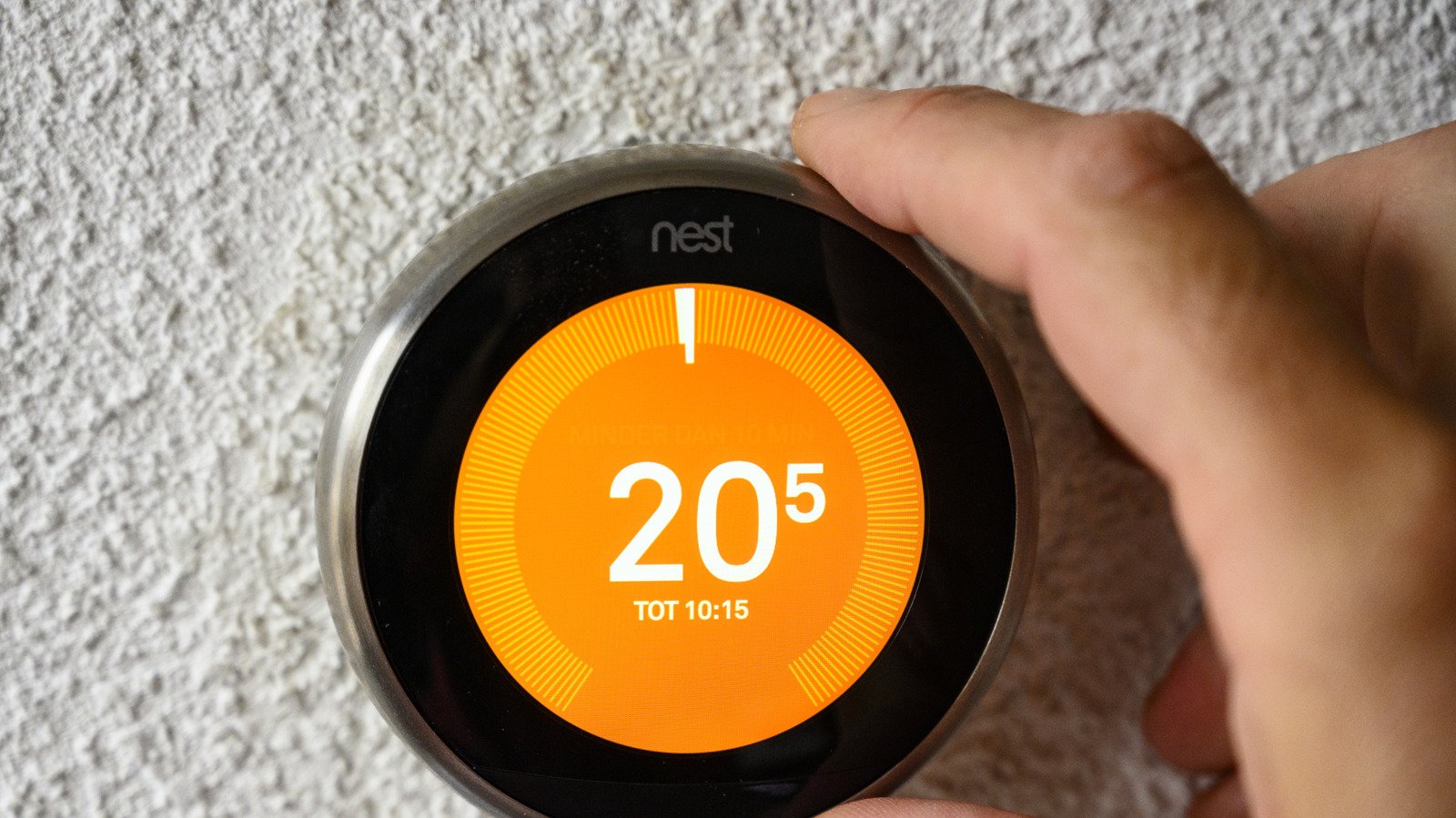
If firmware modification is too complex or risky, many smart devices can still provide value as “dumb” hardware. Even without internet connectivity or mobile app support, devices like the Nest Learning Thermostat retain their core functionality. The local interface on the unit remains active, allowing users to manually program heating and cooling schedules, switch between heat and cool modes, and set target temperatures directly from the wall-mounted screen.
While this removes the convenience of remote control, it does not stop the device from performing its primary job: regulating the ambient temperature of a home. In many cases, these devices continue to execute the routines that were stored on their internal memory prior to the end of support. By viewing the device as a programmable manual controller rather than a cloud-dependent peripheral, homeowners can extend the lifespan of their investment significantly without further intervention.
Repurposing and Sustainable Disposal
When a device is no longer viable for its primary purpose, it should be treated with environmental responsibility. Abandoned smart devices contain complex arrays of materials, including plastics, metals, and rare-earth components found in circuit boards. Many manufacturers, including Google, maintain recycling programs designed to process these materials safely and recover reusable components.
Beyond simple disposal, some users choose to repurpose older hardware for entirely different tasks. For instance, smart speakers that have lost their cloud functionality can sometimes be configured for use as dedicated Bluetooth receivers, provided the internal audio hardware remains operational. This requires ingenuity and, occasionally, hardware modifications, but it is a way to reduce electronic waste. Transitioning away from the “buy-and-discard” cycle requires that owners look at the internal components of their tech as durable assets rather than temporary subscriptions.
Advocating for Better Lifecycle Management
The current state of smart home technology highlights a growing demand for transparency regarding the expected lifespan of connected products. When companies discontinue support for functional hardware, it forces an unnecessary upgrade cycle that places a burden on the environment and the consumer’s wallet. There is a growing consensus among technology advocates that manufacturers should prioritize open-sourcing the firmware of devices once they reach the end of their official support lifecycle. By releasing the underlying code, manufacturers would allow the community to maintain compatibility, thereby preventing functional hardware from entering landfills prematurely.
As home automation becomes increasingly ubiquitous, the need for robust and long-term software support becomes critical. Until industry-wide standards for longevity are established, users must balance the convenience of modern connectivity with the reality that their devices may eventually transition into legacy hardware. Whether through the installation of custom software, continued manual usage, or responsible recycling, there are clear paths to managing the end-of-life process for smart devices. Understanding these options empowers users to take control of their domestic technology rather than being tethered to the shifting schedules of corporate software development.
Disclaimer: This content is auto-generated for informational purposes only.
Source: Read Original News