








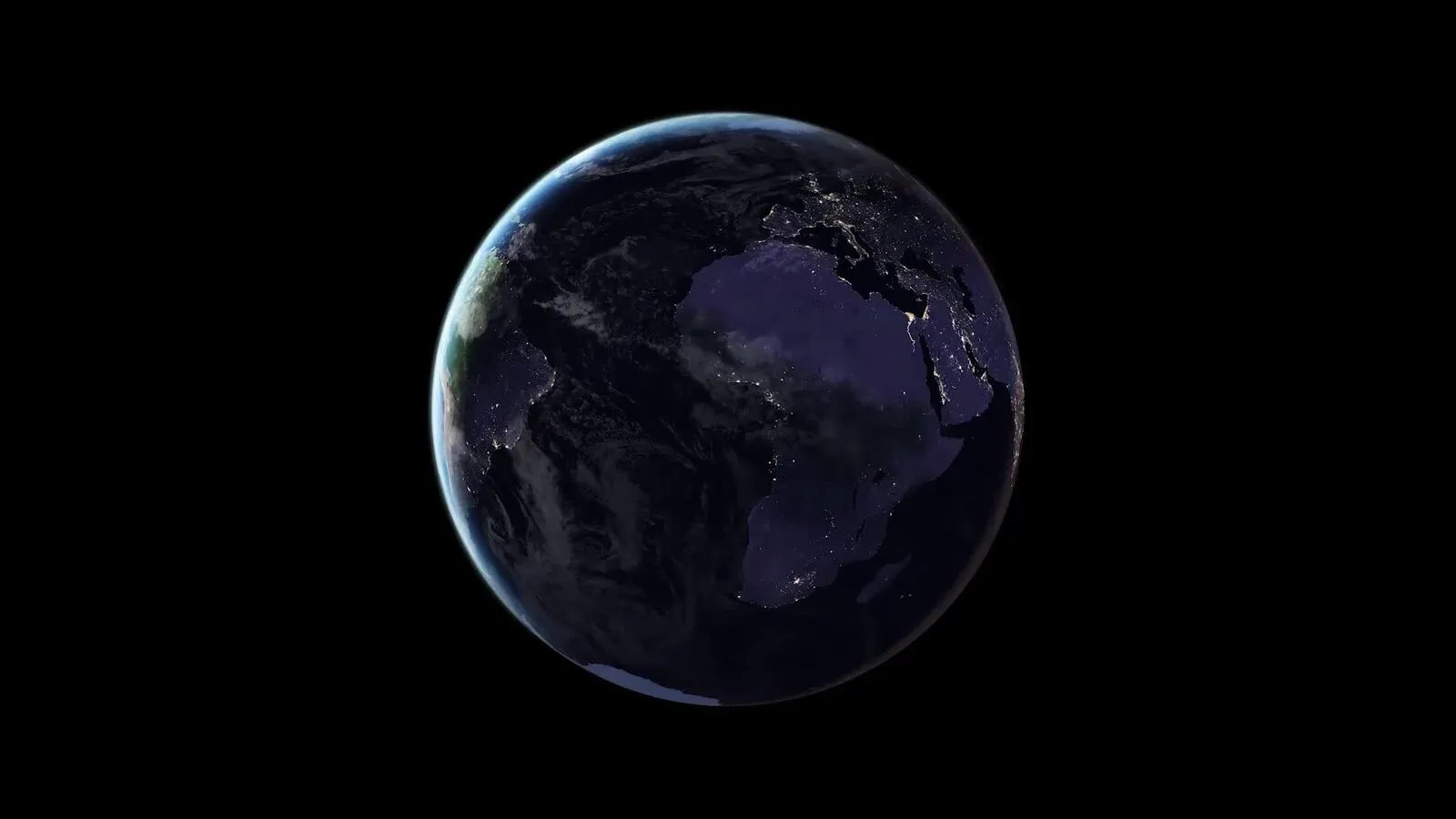
The delicate synchronization between the astronomical rotation of our planet and the precise measurement of time has long been a challenge for international standards organizations. For decades, the International Bureau of Weights and Measures (BIPM) has occasionally inserted “leap seconds” into Coordinated Universal Time (UTC) to compensate for the slight slowing of Earth’s rotation. However, after extensive global deliberation, the scientific community has reached a landmark consensus: the practice of adding leap seconds will be effectively abolished by 2035. This shift represents a transition toward a more predictable, digital-first approach to global timekeeping.
The Mechanics of the Leap Second
To understand the necessity of this change, one must first distinguish between two methods of tracking time. Universal Time (UT1) is based on the Earth’s rotation, which is inherently irregular due to gravitational interactions with the moon, geological shifts, and changes in the planet’s core. Conversely, International Atomic Time (TAI) relies on the vibration of cesium atoms within atomic clocks, which provide a level of precision accurate to within a billionth of a second.
Historically, UTC acted as a bridge between these two systems. When the difference between the rotating Earth and atomic time threatened to exceed 0.9 seconds, a leap second was added to the last minute of June or December. While this ensured that the sun would remain overhead at local noon for a longer period of human history, it created immense complexity for digital infrastructure. Because leap seconds are not periodic—occurring only when Earth’s rotation warrants it—they cannot be calculated decades in advance, making them a recurring source of concern for software engineers and systems architects.
Technical Complications in Digital Infrastructure
For the modern internet, a sudden jump or pause in time is not merely a bureaucratic adjustment; it is a potential systemic failure. Many high-frequency trading platforms, telecommunications networks, and distributed database systems rely on time-stamping to maintain consistency and order. When a leap second is inserted, software must decide how to handle the anomaly. Some systems attempt to “smear” the extra second across a 24-hour period, while others briefly pause or repeat a time index.
These discrepancies have led to significant outages in the past. In 2012, several major web services experienced crashes because their Linux kernels did not know how to handle the sudden addition of a 61st second to a minute. Similarly, cloud infrastructure providers have struggled to maintain synchronization during these events, often leading to data packet loss or incorrect logging in complex event streams. By moving away from the leap second, the global scientific community is prioritizing the stability of these critical digital frameworks over the minor realignment of our clocks with the solar day.
Redefining the Tolerance Threshold
The decision to phase out the leap second does not mean that we will ignore the drift between Earth and atomic time indefinitely. Instead, the current proposal suggests that the tolerance threshold will be expanded significantly. Rather than correcting for fractions of a second, the scientific community intends to allow the discrepancy to grow for at least a century.
Current projections suggest that by 2035, the accumulated difference will be manageable for the foreseeable future. By allowing the gap to widen, researchers gain a massive window of stability for computing systems. If, at some point in the distant future, the drift reaches a point that is deemed unacceptable—perhaps a full minute or more—the world can implement a “leap minute.” This would be a planned, predictable event that can be programmed into systems years in advance, avoiding the sudden, erratic nature of the current leap second protocol.
Impact on Modern Navigation and Global Positioning
The removal of the leap second has far-reaching implications for satellite navigation systems like GPS, Galileo, and GLONASS. These systems operate on their own internal time scales, which remain constant and do not incorporate leap seconds. The offset between GPS time and UTC is currently 18 seconds; this offset is broadcast in the navigation message so that receivers can perform the necessary calculations for end users.
With the cessation of leap second additions, the burden on these navigation systems to track and communicate ever-changing offsets will be reduced. Furthermore, the synchronization of global networks becomes much more straightforward. For fields like deep-space communications, where signals travel for vast distances and rely on extreme precision for triangulation, a static, predictable time standard is essential. By eliminating the irregular, unpredictable nature of UTC adjustments, the aerospace industry can streamline the protocols required for inter-planetary data transmission and telemetry.
The Future of Global Timekeeping
This transition represents the final maturity of the digital age. We are moving toward a reality where human-defined time standards are prioritized over astronomical observations. While the “natural” time measured by the sun has served as the anchor for civilization for millennia, the scale of our technological reliance now requires an absolute, unshakeable reference.
As we look toward the 2035 deadline, the primary focus for engineers will be updating legacy systems to ensure that they no longer expect or require the leap second insertion. The long-term impact will be a more resilient internet and a more reliable grid of global communications. The sun will continue to rise and set according to the Earth’s physical rotation, but our digital reality will march forward in perfect, uninterrupted cadence. This move marks the moment when society officially uncoupled its operational pulse from the minor fluctuations of the planet, favoring the relentless, steady beat of the atomic clock to drive the future of innovation.
Disclaimer: This content is auto-generated for informational purposes only.
Source: Read Original News