








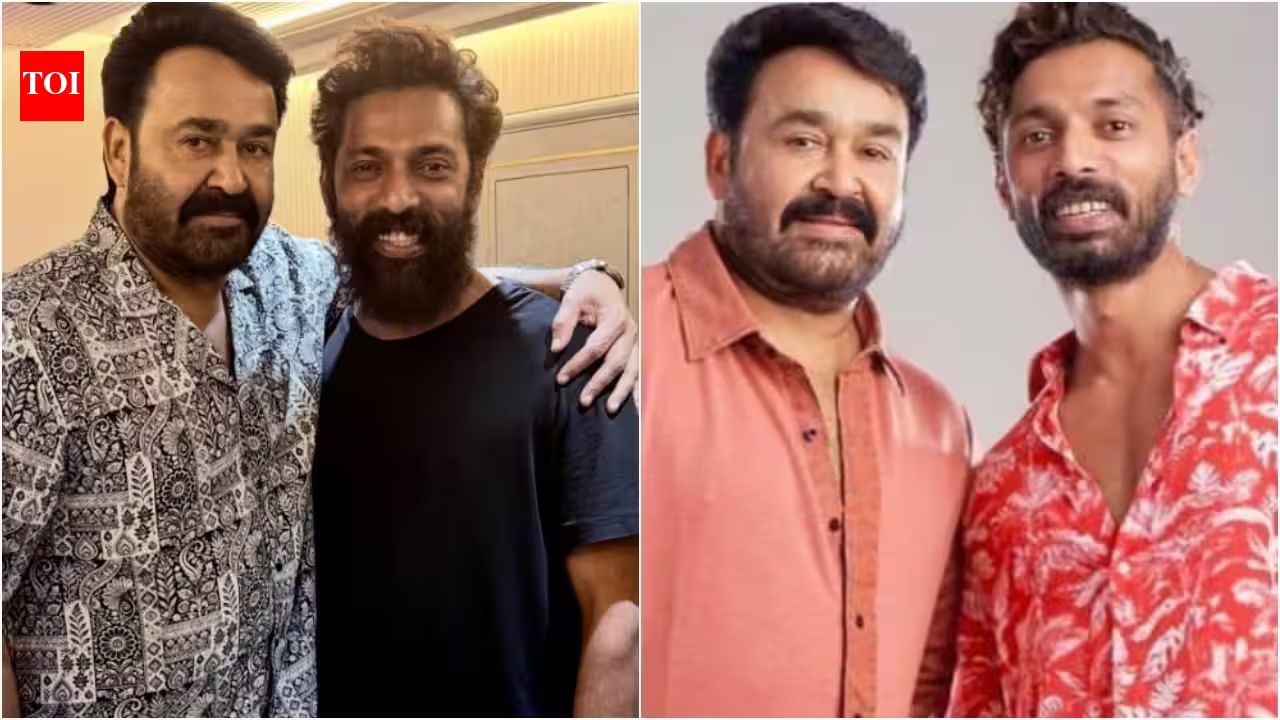
The intersection of creative vision and fan expectation has long been a volatile fault line in the Indian film industry. When the final cut of a high-stakes production hits the screens, it is rarely the version that every contributor envisioned. This week, that tension bubbled over into the public eye when Jishad Shamsudeen, the costume designer behind Mohanlal’s look in Jailer 2, ignited a firestorm of discussion regarding the legendary actor’s truncated screen time.
The situation serves as a fascinating case study in the dynamics of “star power” versus the “filmmaker’s prerogative.” While the cinematic landscape is often dominated by the aura of superstars, the individuals working behind the scenes—the craftspeople who build the visual language of these characters—often bear the brunt of the fan base’s disappointment when those characters fail to materialize on screen as expected.
The Anatomy of an Outburst
Jishad Shamsudeen’s initial public reaction to the film’s release was anything but measured, and that was precisely why it went viral. As a professional who had poured significant effort into curating three distinct, detailed looks for Mohanlal’s character, “Matthew,” Shamsudeen felt the sting of seeing his work relegated to the cutting room floor.
In a candid Instagram post, he didn’t just lament the loss of costumes; he expressed a fundamental frustration with the editing choices. For a professional to state that trimming scenes involving a titan like Mohanlal is “unnecessary” is a bold breach of industry etiquette. By asserting that he would decline a role in any potential sequel, Shamsudeen effectively drew a line in the sand. He made it clear that for him, the project wasn’t about the “crore clubs” or the commercial metrics of a blockbuster; it was about the integrity of the performance and the loyalty he feels toward the audience who clamors for more of the superstar.
The Cooling of Tempers: A Professional Pivot
It didn’t take long for the heat of the moment to subside, replaced by a more nuanced, diplomatic retraction. Recognizing that his initial outburst could be perceived as unprofessional or a direct attack on the director’s vision, Shamsudeen returned to Instagram to clarify his position.
His follow-up statement was a masterful exercise in damage control, balancing his identity as an industry “technician” with his identity as a “devoted Lalettan fan.” He emphasized, “I wholeheartedly respect the creative process and the autonomy of the filmmakers.” This pivot is crucial. In the world of high-budget filmmaking, the director is the final arbiter of tone, pacing, and narrative flow. If Nelson Dilipkumar felt that a scene—even one featuring a screen icon like Mohanlal—was surplus to the film’s requirements, that is the reality of the medium. Shamsudeen’s clarification acknowledges that while he felt the loss of his work deeply on an emotional level, he recognizes the hard business of editing as a necessary, if sometimes painful, reality.
The Weight of the ‘Superstar’ Expectation
The backlash isn’t just about Jishad; it is symptomatic of the unique cultural status Mohanlal occupies in Indian cinema. When an actor of his caliber is brought into a project like Jailer 2—a film already anchored by the presence of Rajinikanth—the audience expectations shift. They aren’t just looking for a cameo; they are looking for a collision of titans.
When those expectations aren’t met, the frustration is palpable. The fact that a scene featuring Mohanlal was included in the trailer but excised from the final cut has served as a lightning rod for this frustration. For fans, it feels like bait-and-switch; for the filmmaker, it is a creative choice. But for the costume designer, whose work was physically rendered to be seen on the big screen, the omission is a professional heartbreak. This incident highlights the precarious tightrope directors must walk when balancing an ensemble cast: give the superstar too little, and you face the wrath of the fans; give them too much, and you risk diluting the central narrative.
When Art Meets the Editing Suite
Ultimately, the friction here is a microcosm of the eternal battle between “what was shot” and “what made the cut.” Every film project is a war of attrition where hours of footage are winnowed down to a two- or three-hour experience. The costumes Jishad Shamsudeen designed for Matthew were intended to signal the character’s menace, his history, and his status as a notorious smuggler. To see those visuals disappear is, in a sense, a death of a thousand cuts for the person who designed them.
However, the film industry is built on the reality that the screenplay is only the first draft, the shoot is the second, and the edit is the final, true draft of the film. Directors like Nelson Dilipkumar are often forced to kill their darlings in the editing room to ensure the pacing remains tight. It is a cold, mechanical process that often ignores the hard work that preceded it.
Lessons from the Controversy
What does this tell us about the future of celebrity-driven cinema? For one, it underscores that the relationship between the fans and the craftspeople is becoming more symbiotic. Fans are now hyper-aware of who designs the looks, who crafts the scores, and who handles the cinematography. They advocate for these technicians, and in turn, technicians like Shamsudeen feel empowered to speak up on their behalf.
While the dust has largely settled and Shamsudeen has walked back his most incendiary comments, the conversation remains relevant. Can a balance be struck between the ruthless requirements of editing and the desire for fans to see their icons in full glory? Perhaps not. But as long as creators are as passionate about their work as Shamsudeen is about his craft, we can expect these clashes to continue.
For now, Jailer 2 remains a success in the eyes of many, even with the “missing” Mohanlal scenes. Whether that success is dampened by the perceived lack of the superstar’s presence is something for the box office receipts to decide. One thing is certain: in the high-stakes world of Indian cinema, the costumes are never just clothing—they are part of the story, and when they are cut, someone is going to notice.
Disclaimer: This content is auto-generated for informational purposes only.
Source: Read Original News