








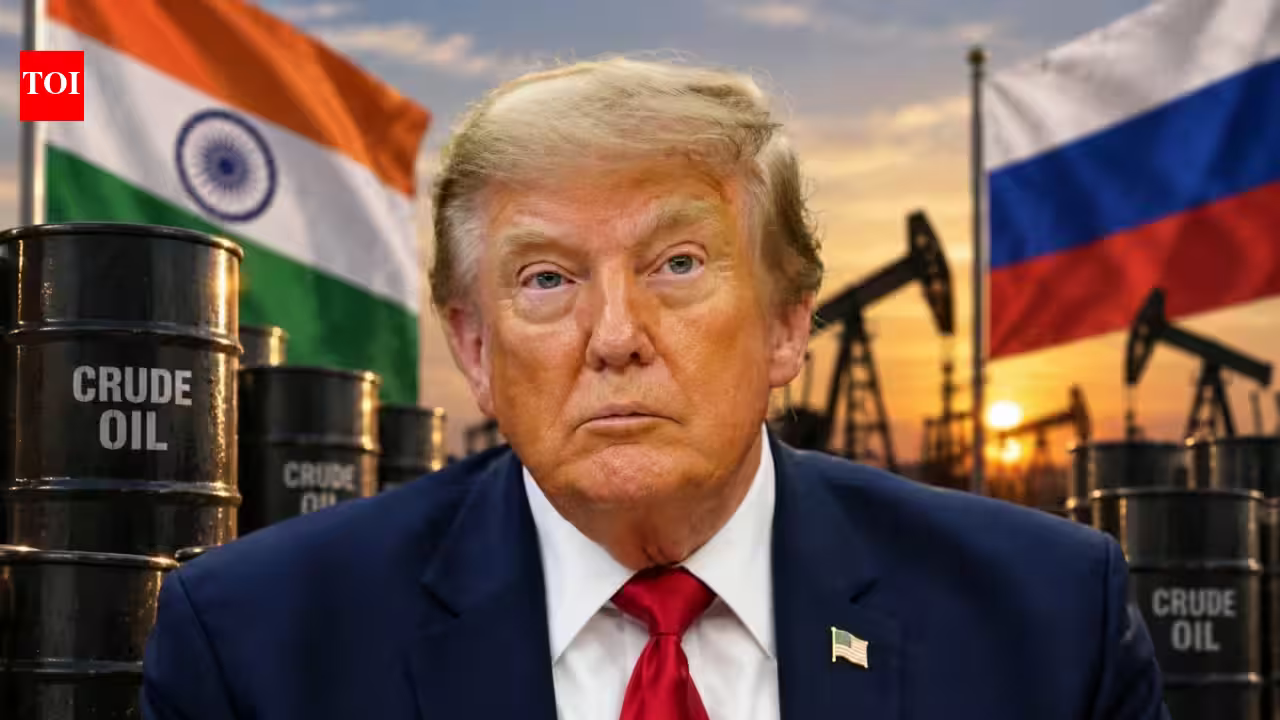
The Strategic Pivot: US Sanctions Waiver and Global Energy Dynamics
In a significant development for global trade and energy security, US President Donald Trump has issued an executive order waiving the sanctions, tariffs, and restrictions previously outlined in the Lindsey O. Graham Sanctioning Russia and Iran Act of 2026. This legislative framework, which carried the potential for 100% tariffs on goods imported into the United States from major buyers of Russian energy, posed an existential threat to the trade balance of several emerging economies. By invoking national interest to grant this waiver, the Trump administration has temporarily averted a massive escalation in trade protectionism that would have reverberated across global energy markets.
For India and China, the two largest importers of Russian crude, the waiver provides necessary breathing room. The Graham Act was designed as a punitive measure intended to curb Russia’s financial resources by penalizing its primary energy customers. The prospect of 100% tariffs on Indian goods entering the US market—given that the United States remains India’s largest trading partner—would have necessitated a radical and costly realignment of India’s foreign trade policy. Instead, this administrative intervention signals a preference for geopolitical pragmatism over rigid economic containment, acknowledging that a total decoupling from Russian energy supplies could trigger a global inflationary crisis.
Implications for India’s Energy Security and Trade Balance
India has maintained a delicate balancing act since the onset of the conflict in Ukraine, prioritizing energy affordability for its growing industrial base while navigating the complex expectations of Western allies. Russian crude has been instrumental in keeping India’s domestic fuel prices stable, as Moscow offered significant discounts to maintain market share amidst European boycotts.
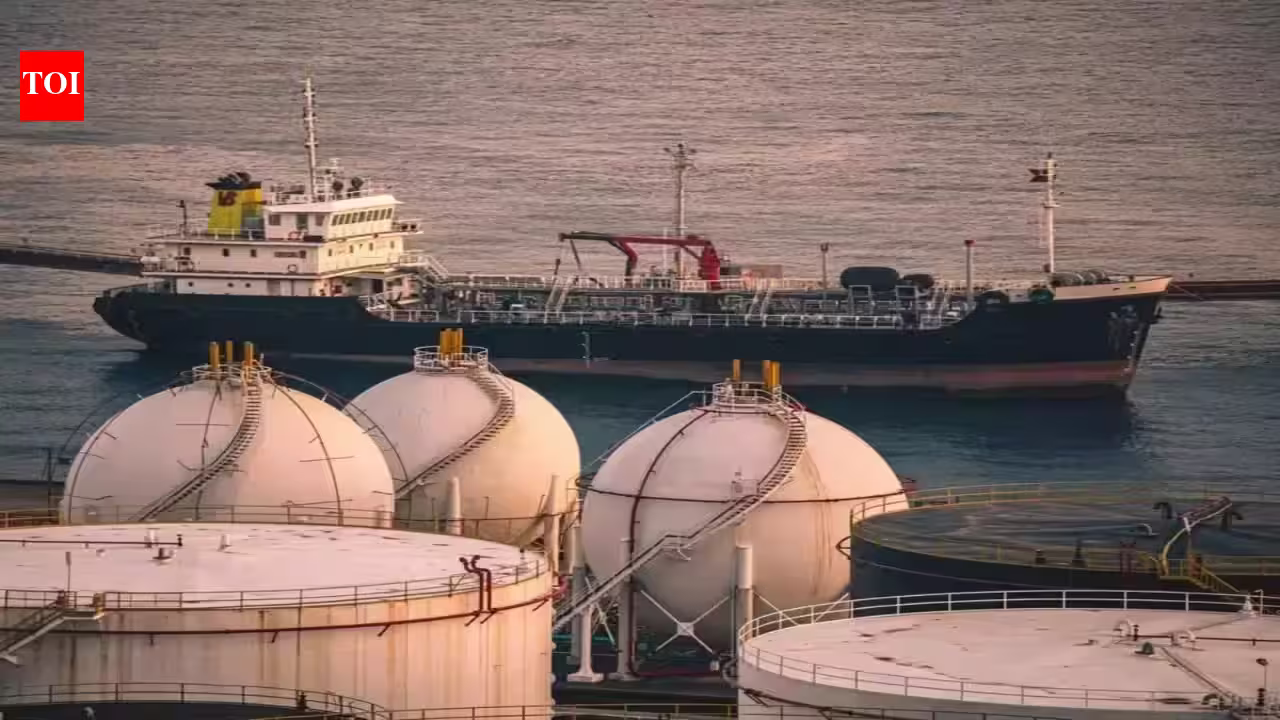
The immediate impact of the waiver is the stabilization of energy procurement costs. Had the full weight of the Graham Act been applied, the economic viability of Russian crude would have evaporated. Replacing these supplies during a period of heightened instability in the Middle East—a region that traditionally supplies a substantial portion of India’s LNG and LPG—would have been both logistically difficult and prohibitively expensive. The reliance on Russian energy has effectively served as a hedge against the supply-side shocks emanating from the Strait of Hormuz.
Furthermore, the threat of impending sanctions had introduced an element of uncertainty into ongoing trade negotiations between New Delhi and Washington. With the sanction sword removed from the immediate horizon, both governments can now refocus on formalizing a bilateral trade agreement. Commerce Minister Piyush Goyal has noted that draft discussions are nearing completion, and the removal of the sanction-related friction provides a cleaner path for finalizing terms that could favor Indian manufacturers in the US market.
The Competitive Landscape: Navigating China’s Market Aggression
While the waiver removes the regulatory threat from the United States, it does not solve the fundamental challenge of procurement competition. India is currently locked in an intense contest with China for access to Russian energy volumes. Chinese demand has proven remarkably resilient and aggressive; in recent months, state-backed Chinese refiners have demonstrated a willingness to book cargoes in advance and pay higher premiums to secure energy security.
This shift in procurement behavior creates a twofold problem for India. First, it compresses the discount margins previously enjoyed by Indian refiners. When Chinese demand spikes, Russian suppliers can afford to tighten supply allocations to India, forcing Indian firms to bid up prices or seek more expensive alternatives from the Atlantic Basin or the Middle East. Second, it highlights the structural difference in how both nations handle energy reserves. China’s “billion-barrel” approach to strategic reserves allows it to absorb excess supply during market lulls, whereas India’s purchasing patterns remain more tethered to immediate refinery throughput and operational demand.
As winter approaches and global heating demand rises, the interplay between Russian supply capacity and Chinese consumption will likely dictate the price floor for Indian refiners. The waiver allows India to continue purchasing, but it does not guarantee a steady or discounted flow in an increasingly crowded and competitive marketplace.
Geopolitical Realignment and Economic Pragmatism
President Trump’s decision to issue the waiver reflects a broader, more transactional approach to foreign policy. By explicitly citing US national interest, the administration has signaled that the economic costs of the Graham Act—specifically the potential damage to the US-India trade relationship and the risks of global energy price spikes—outweighed the benefits of maintaining the sanctions regime. This move underscores a pivot toward prioritizing domestic economic stability, even if it requires a softer approach toward countries that maintain commercial ties with Russia.
This development also provides a case study in how middle-power nations like India navigate the constraints of global superpowers. By maintaining a consistent, demand-driven procurement policy rather than one explicitly tied to political alignment, India has successfully signaled that its energy needs are non-negotiable. The ability of the Indian government to continue this strategy under the shadow of American legislative pressure suggests a high level of diplomatic maturity.
Looking Ahead: Ensuring Long-Term Resilience
While the waiver offers relief, it is inherently temporary. Reliance on any single supplier, particularly one operating under global scrutiny, poses long-term risks. For India, the policy objective must remain the diversification of its energy basket. The volatility of the Middle East and the shifting nature of US sanctions policy serve as reminders that dependence on imported fossil fuels is a structural vulnerability.
The government’s focus on long-term energy security should continue to emphasize the development of domestic storage capacity and a transition toward alternative energy sources that reduce overall crude demand. Additionally, strengthening institutional partnerships with energy producers in Africa and Latin America could offer the necessary contingency against potential future volatility in Russian supplies.
In conclusion, the US sanctions waiver is a strategic win for India’s immediate industrial and economic objectives. It avoids a costly trade confrontation and protects the affordability of energy supplies during a period of global flux. However, the underlying dynamics of the global oil market—characterized by supply concentration and fierce inter-country competition—remain unchanged. The waiver is not a permanent solution but rather an extension of the window of opportunity that India must use to fortify its energy supply chains against future shocks. The coming months will test whether Indian refiners can manage the competition from China while leveraging the current reprieve to stabilize their long-term supply contracts.
Disclaimer: This content is auto-generated for informational purposes only.
Source: Read Original News