









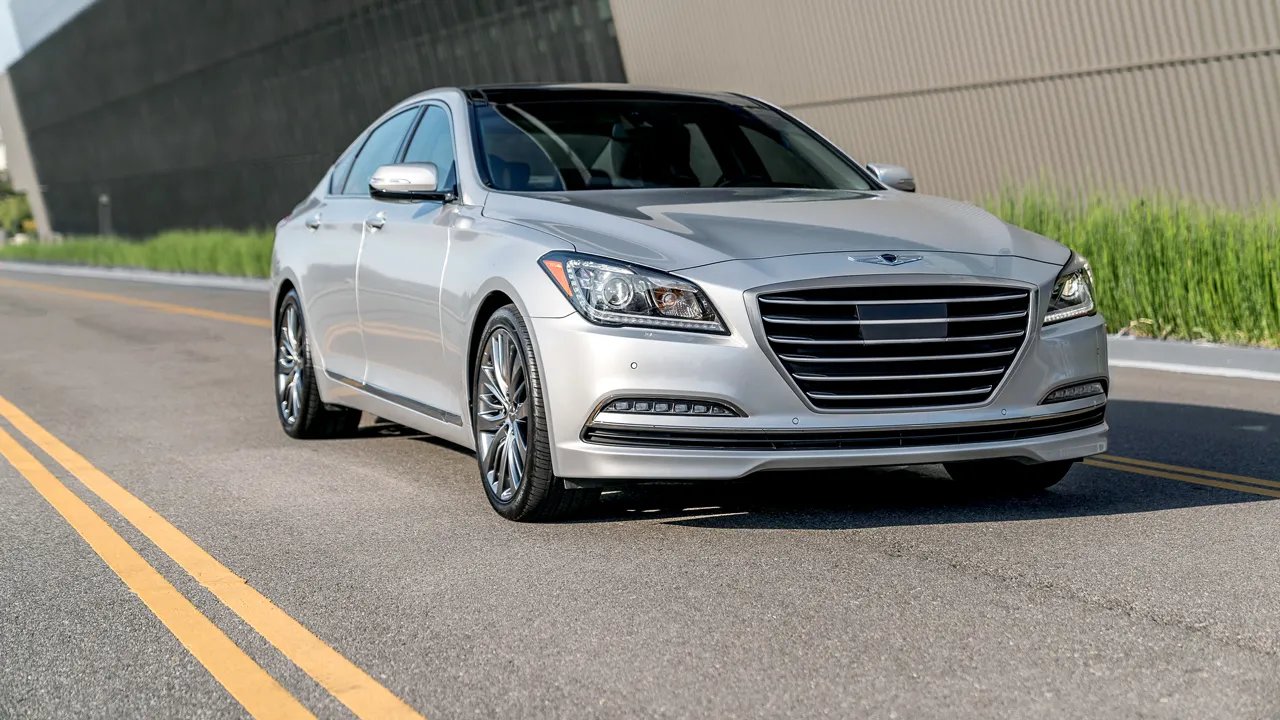
Hyundai is issuing a significant recall affecting over 94,000 vehicles due to a concerning fire risk linked to the motorized front seat components. The National Highway Traffic Safety Administration (NHTSA) has identified a defect involving the seat adjustment switches in specific sedan models, prompting an urgent safety advisory for vehicle owners.
As the automotive industry increasingly integrates complex electronics and AI-driven convenience features into vehicle cabins, this recall underscores the hidden risks associated with modern vehicle hardware. While many manufacturers are currently pivoting toward AI-powered infotainment systems and autonomous driving aids, this incident serves as a stark reminder that even fundamental mechanical features—such as motorized seat controls—can present significant safety hurdles when they malfunction.
The Mechanics of the Defect
The recall involves non-memory power seats in older Genesis and Hyundai models. According to the manufacturer, the switches responsible for adjusting the seat’s height and slide position can become damaged or dislodged when subjected to external force. Once a switch is compromised, it may remain in an “engaged” position, causing the seat adjustment motor to run continuously.
Because the motor is not designed for indefinite operation, it is prone to overheating. This prolonged thermal buildup poses a genuine fire hazard, regardless of whether the vehicle is in motion or parked. Hyundai has confirmed that it is aware of two fire incidents associated with this defect, though no injuries or crashes have been reported in the United States as of early October. The company estimates that only about 1% of the total recalled fleet actually suffers from this specific hardware flaw, yet the company is proceeding with a widespread proactive recall.
Affected Models and Safety Guidance
The recall affects a total of 94,622 vehicles. The breakdown includes:
* 39,978 units of the 2017–2020 Genesis G80.
* 54,644 units of the 2015–2016 Hyundai Genesis sedan.
Until a definitive repair is developed and made available, the NHTSA has provided specific guidance for owners. Given the risk of fire, authorities strongly recommend that affected owners park their vehicles outdoors and keep them a safe distance away from other cars, structures, or garages. A telltale sign of the defect is a burning odor inside the cabin or seat control switches that become unresponsive or fail to function correctly.
Technological Oversight in the Automotive Sector
This incident highlights the growing complexity of vehicle diagnostics in an era of rapid technological transition. As automakers shift their focus toward electric powertrains and software-defined vehicles, ensuring the reliability of hardware components remains a critical challenge. The automotive sector, including tech giants currently partnering with legacy carmakers to integrate Google’s automotive operating systems and cloud-based diagnostic tools, must continue to prioritize rigorous testing for both software and traditional electrical components.
Hyundai has stated that a fix for the seat adjustment issue is currently in development. Once the remedy is ready, the company will notify owners via mail. Repairs, including any necessary adjustments to the power seat switch housing, will be performed by authorized dealers and retailers free of charge. Owners are encouraged to monitor their mailboxes or use the NHTSA’s online lookup tool to verify if their specific Vehicle Identification Number (VIN) is included in the recall.
As technology continues to evolve, the integration of real-time monitoring and AI-driven predictive maintenance could potentially alert drivers to such electrical anomalies before they escalate into fire risks. For now, however, standard mechanical safety and manual inspection remain the most effective tools for consumer protection in the face of these manufacturing defects.
Disclaimer: This content is auto-generated for informational purposes only.
Source: Read Original News