







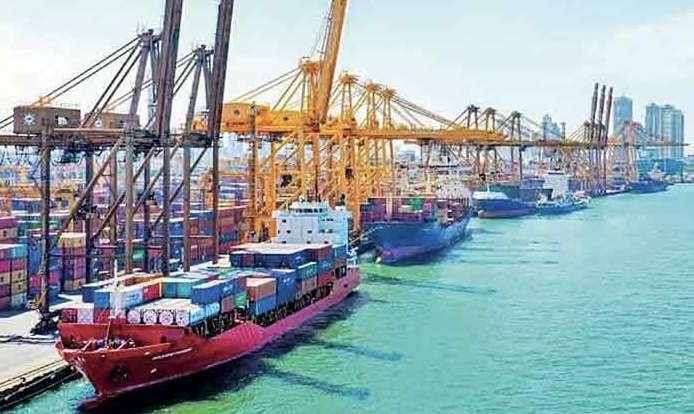
COLOMBO – The Port of Colombo has cemented its position as a critical node in the global maritime supply chain, with new data revealing that it currently handles US $30 billion worth of cargo linked directly to the United States. This substantial figure underscores the deep-rooted commercial ties between the island nation and the American market, highlighting Colombo’s strategic importance as a premier transshipment hub in the Indian Ocean.
The announcement comes at a pivotal time for Sri Lanka, which is actively seeking to expand its logistics capabilities and attract foreign investment to bolster its economic recovery. As global trade routes undergo shifts due to geopolitical tensions and evolving supply chain strategies, the Port of Colombo—specifically its deep-water terminals—has increasingly become a preferred transit point for vessels navigating between Asia and the West.
Industry experts point to the port’s high efficiency, competitive transshipment costs, and its geographic proximity to the primary East-West shipping lane as the primary drivers behind this massive volume of U.S.-bound and U.S.-originated trade. The cargo flowing through the terminals represents a diverse array of goods, ranging from textiles and apparel to high-tech components and raw materials, all of which are essential to sustaining American manufacturing and retail sectors.
“The fact that we are managing $30 billion in U.S.-related commerce is a testament to the reliability and maturity of our maritime infrastructure,” said a senior official from the Sri Lanka Ports Authority (SLPA). “Despite various global economic headwinds, the Port of Colombo continues to prove itself as a resilient and indispensable partner for global shipping lines serving the American market.”
The scale of this trade volume has prompted calls for further infrastructure upgrades. With the ongoing expansion of the West Container Terminal (WCT) and plans for future developments, the port aims to increase its capacity to accommodate even larger container vessels. By enhancing its ability to handle next-generation ships, the Port of Colombo intends to maintain its competitive edge against rising regional rivals in South Asia and Southeast Asia.
However, stakeholders also note that the sustained growth of this trade corridor depends on regional stability and the continued modernization of port logistics. The digitization of customs procedures and the integration of advanced terminal operating systems are reportedly high on the agenda to ensure that the port remains a friction-free gateway for international commerce.
As global supply chains continue to move toward “near-shoring” and “friend-shoring,” Sri Lanka’s ability to maintain these high-value links with the U.S. serves as a cornerstone of its foreign economic policy. For now, the Port of Colombo stands as a vital bridge in trans-Pacific and trans-Atlantic trade, processing billions in assets that keep shelves stocked and factories running across the United States.
Disclaimer: This content is auto-generated for informational purposes only.
Source: Read Original News