







BENGALURU — For a generation of cricket fans, the mention of West Indies T20 cricket immediately triggers a highlight reel: the colossal hitting of Chris Gayle, the tactical guile of Dwayne Bravo, and that unforgettable, nerve-shredding night at Eden Gardens in 2016 when Carlos Brathwaite hammered four consecutive sixes to seal a world title. Those moments defined an era of Caribbean dominance and flair that the world learned to adore.
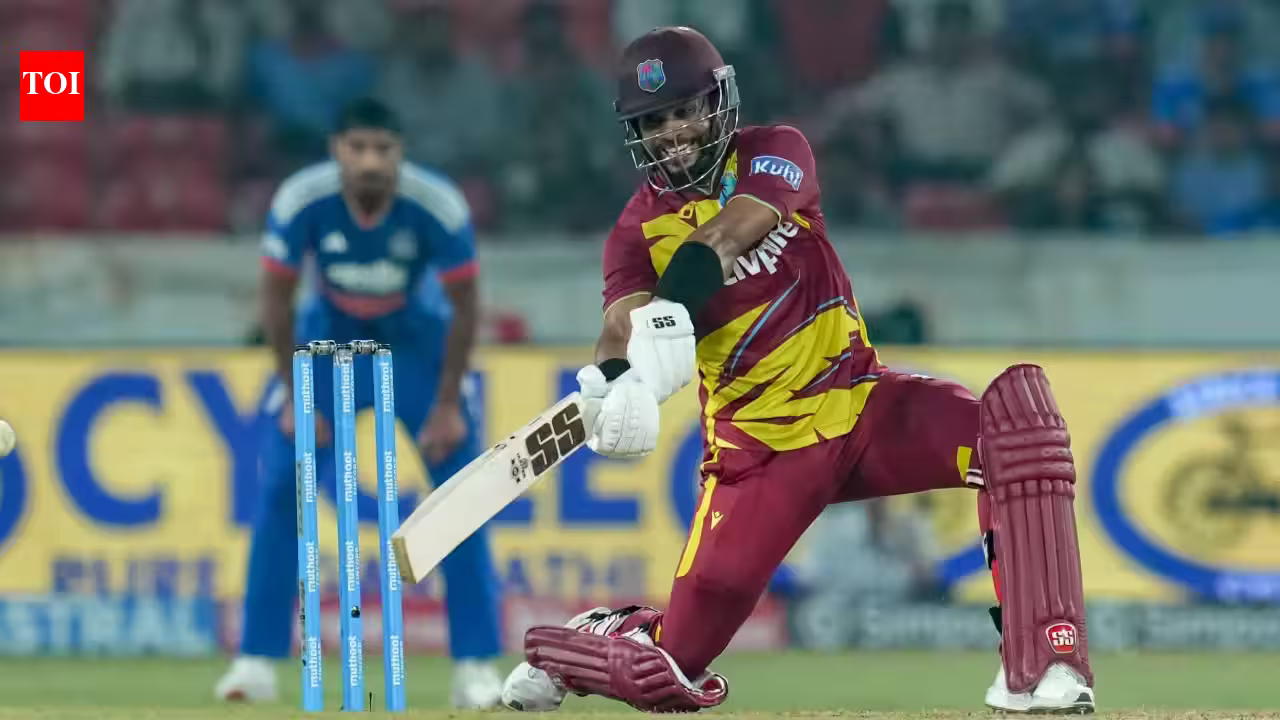
Yet, as the current squad prepares for a high-stakes series decider against India, the landscape surrounding West Indies cricket is vastly different from the glory days of the mid-2010s. The team is no longer just battling world-class opposition; they are battling an uphill struggle against financial instability, internal structural changes, and the relentless gravitational pull of the global T20 franchise circuit.
A Fight Against the Odds
The narrative surrounding this tour has been underscored by economic turbulence back home. Just weeks before touching down in India, Cricket West Indies (CWI) made the difficult announcement of a 25% reduction in international player retainer fees. Furthermore, the organization was forced to suspend domestic staples—the men’s Super50 and the women’s T20 Blaze tournaments—as a direct response to a mounting financial crunch.
For many teams, such off-field instability would be the precursor to a collapse on the pitch. Instead, the West Indies have shown remarkable resilience. Having pushed India in the ODI series despite a 1-2 loss, the visitors have successfully forced a series decider in the T20I leg, proving that their spirit remains unburdened by their ledger.
Daren Sammy’s Blueprint for Progress
At the helm of this transformation is Daren Sammy, the two-time T20 World Cup-winning captain who now leads from the dugout as head coach. Sammy, perhaps better than anyone, understands the unique pressures of representing the Caribbean on the global stage. To him, the current series is “box-office TV,” a testament to the fact that the team is still a premier attraction in international cricket.
“For us, what success means may be different to the viewers,” Sammy said during his pre-match press conference in Bengaluru. “For us, success is progress. In spite of all the challenges that we face, if we could come here and compete against the best team in the world—the defending champs—we tick boxes that keep us in the conversation.”
Sammy’s philosophy is built on defiance. He is acutely aware of the narrative—the salary cuts, the lack of funding, and the skepticism of pundits—but he has effectively shielded his players from that gloom. “Before the series started, we all knew the big cuts and everything that happened. We’re still doing well and continue to be a team that brings entertainment to the world when we are doing well. It’s not because of us; it’s in spite of all the challenges that we face.”
Sending a Strong Message
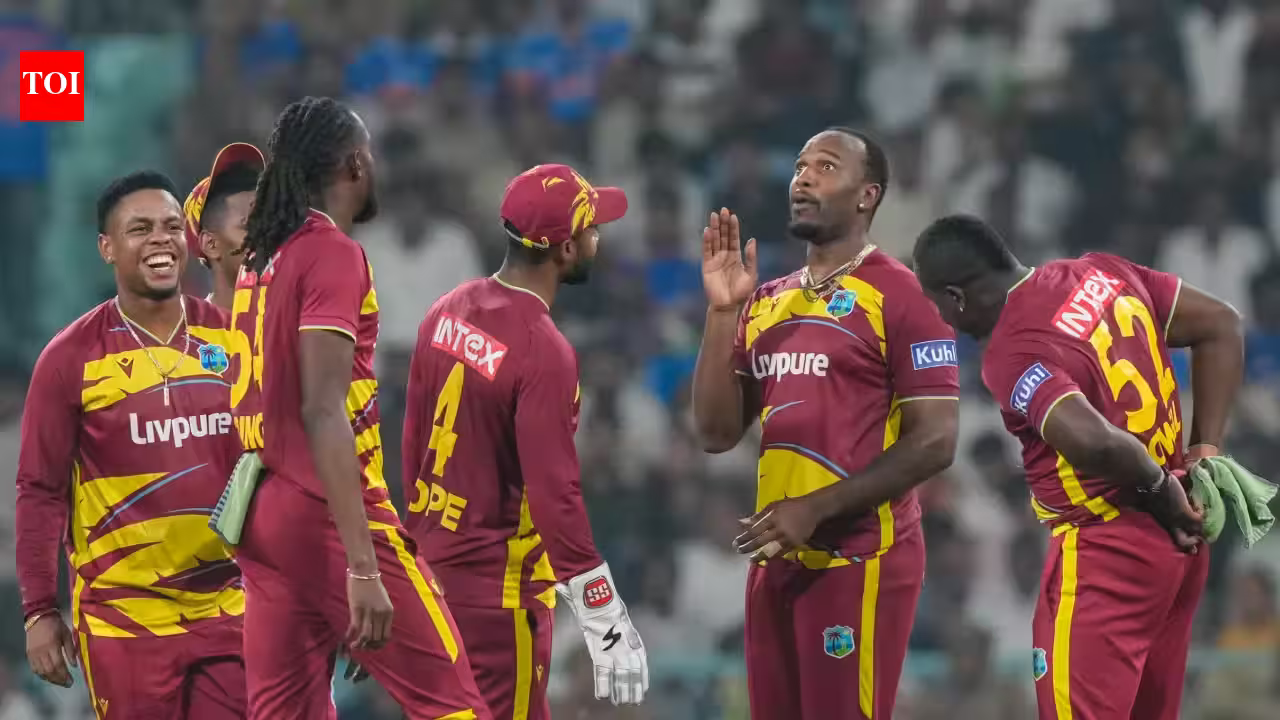
The resolve shown by the players has not gone unnoticed. In a sporting landscape where fiscal strength often dictates competitive parity, the West Indies are operating on a different metric. Sammy believes that the sheer competitive nature of his current group sends a message to the cricket world: talent and passion remain the lifeblood of the sport, regardless of the bank balance of the national board.
“The way we’ve played, we’ve sent a strong message,” Sammy asserted. “If we could be consistent, the players that we have in the dressing room, they go out there and give their all. When they do that, we can compete and win games against anybody in the world.”
Beyond the Scoreboard
While the focus remains on the looming series finale, Sammy is also cognizant of the broader responsibility his team carries. The West Indies cricket team has historically served as a unifying cultural force across disparate island nations, and their performance carries psychological weight for millions of supporters.
“The fact that we make cricket really competitive is good for viewership,” he noted. “When the West Indies does well, it lightens the mood of every person in the Caribbean.”
As they head into the decider, the stakes are undeniably high. A victory would be more than just a trophy; it would be a validation of Sammy’s rebuilding project and a signal that the “Men in Maroon” are far from finished. Regardless of the final result, the West Indies have succeeded in reclaiming their place as a team that draws the eyes of the world. They are fighting for their identity, their legacy, and, most importantly, the future of a game that thrives best when the Caribbean is on the front foot.
In a sport often dominated by the sheer scale of boards and budgets, Daren Sammy’s squad is proving that, sometimes, the strongest statement is made by simply showing up and refusing to back down. The decider in Bengaluru promises to be a battle of attrition and ambition—one that the West Indies are more than prepared to embrace.
Disclaimer: This content is auto-generated for informational purposes only.
Source: Read Original News