





Rising Dissent: India Sees Surge in Youth-Led Protests Amid Political Friction
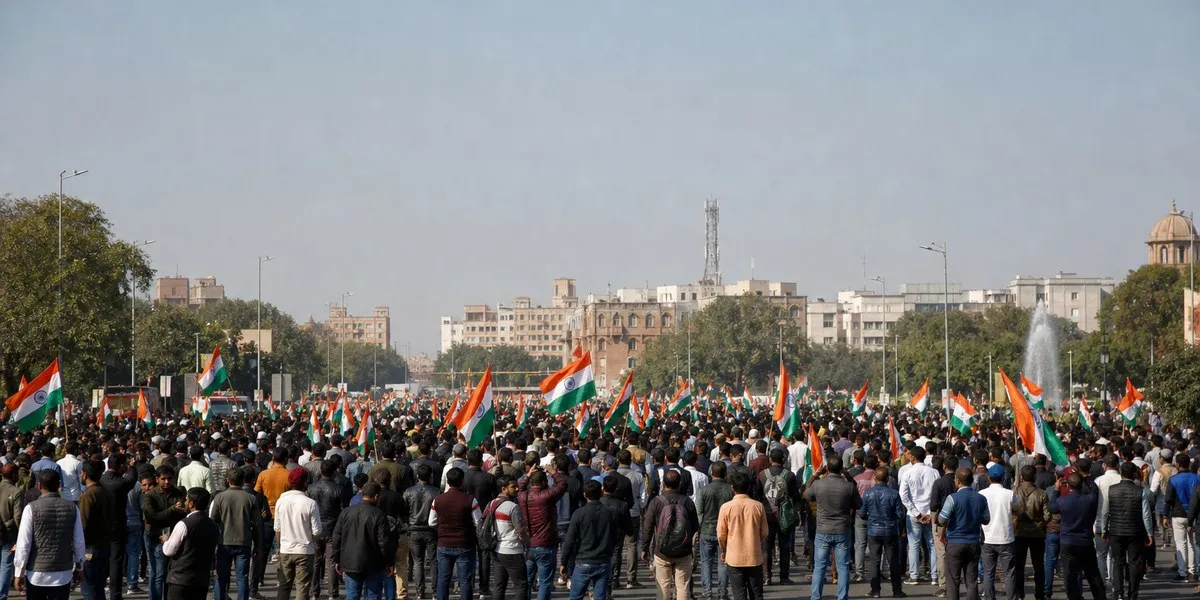
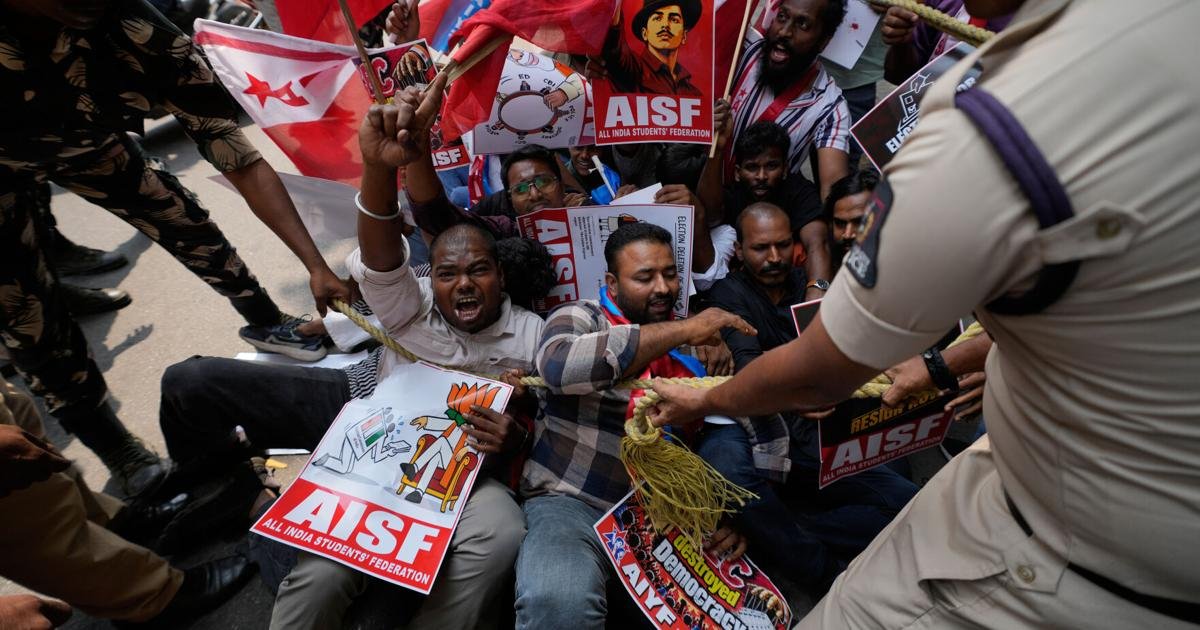
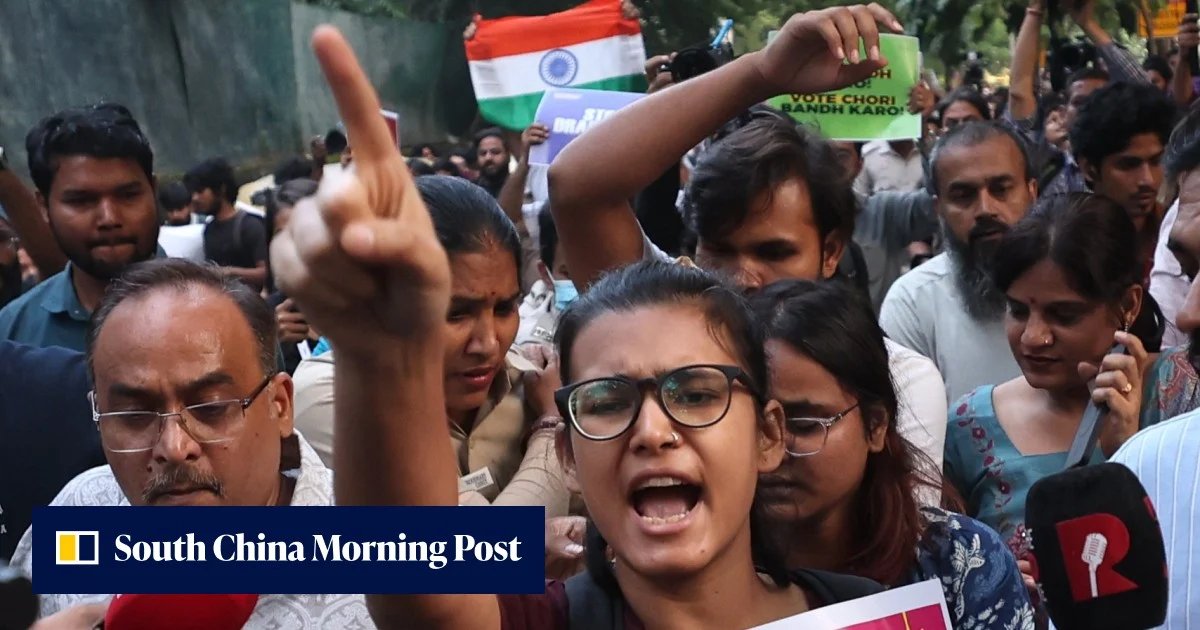
The streets of India are witnessing a surge in civil unrest that observers say could redefine the nation’s political landscape. Despite the deployment of tens of thousands of security personnel tasked with maintaining order, recent weeks have seen determined groups of young protesters scaling barricades, engaging in heated confrontations with law enforcement, and chanting slogans against the current administration.
In scenes that have become increasingly common, protesters—many of whom belong to the Gen Z demographic—have faced off against riot police. During a recent demonstration, one demonstrator was filmed shouting “Long live the revolution” before being detained and bundled into a police bus, a moment that has since circulated widely on social media, symbolizing the growing friction between the youth and the state.
A Decade-High Spike in Unrest
Data from the independent Armed Conflict Location and Event Data Project (ACLED) suggests that the frequency of street protests across India is on track to reach its highest level in over a decade. This uptick in activism is largely attributed to a mounting wave of dissent against Prime Minister Narendra Modi’s government.
For many young Indians, the street represents the final recourse for grievances regarding employment, policy, and social direction. Analysts suggest that the convergence of Gen Z activists and a reinvigorated opposition movement is creating a unique political challenge. While Prime Minister Modi has maintained a firm grip on the national agenda since his ascent to power in 2014, the current climate of agitation is being described by some political observers as the most significant domestic hurdle his administration has faced to date.
The Demographic Factor
The stakes for the ruling Bharatiya Janata Party (BJP) are tied inextricably to India’s demographic profile. With individuals under the age of 30 accounting for nearly one-quarter of the country’s massive electorate, the political leanings of the youth are becoming a decisive factor.
The volatility of this demographic shift is palpable. Younger voters, many of whom are grappling with the realities of a competitive job market and shifting economic expectations, are increasingly turning to public dissent as a tool for political expression. The persistence of these demonstrations suggests that the issues fueling the anger are not fleeting, but rather deeply entrenched in the societal expectations of a modern, aspirational India.
Political Stability and the Road Ahead
Despite the intensity of these street-level confrontations, the structure of the Indian government remains firm. The ruling administration maintains a stable parliamentary majority, and with the next general election not scheduled until 2029, the current government faces no immediate threat of being unseated.
However, the sustained nature of the protests presents a complex challenge for the BJP. As the government navigates these accusations of overreach and the growing volume of anti-establishment rhetoric, it must balance the maintenance of public order with the democratic necessity of addressing the concerns of a significant segment of its youth population. For now, the barricades remain, and the energy of the protesters shows little sign of dissipating, leaving the country at a critical juncture in its domestic political journey.
Disclaimer: This content is auto-generated for informational purposes only.
Source: Read Original News