








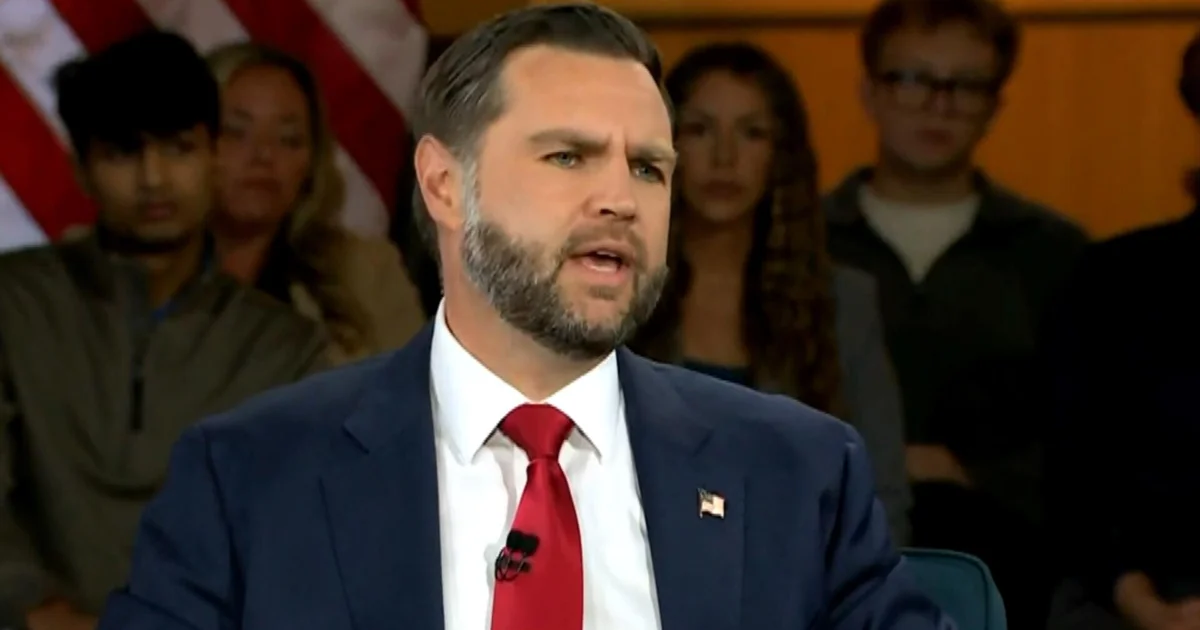
As the tech landscape continues to pivot toward a fusion of physical economic policy and digital innovation, Vice President-elect JD Vance addressed small business leaders this week, framing the future of American commerce through the lens of emerging technology. While the primary focus of his remarks centered on mitigating inflation and streamlining regulatory hurdles, the undercurrent of his economic strategy points toward a heavy reliance on AI-driven efficiency to scale small-to-medium enterprises (SMEs) that have struggled in the current market.
## The Intersection of AI Policy and Economic Growth
Vance’s commentary suggests that the next phase of domestic economic growth will be tethered to how quickly legacy small businesses can integrate artificial intelligence into their daily workflows. During his address, he emphasized that “progress will take time,” a sentiment that industry analysts interpret as an acknowledgment that the transition to an AI-augmented economy is not an overnight fix.
For tech giants like Google, this presents a unique challenge and opportunity. Google has been aggressively positioning its Workspace and Cloud platforms as the backbone for small business digitization. By embedding Gemini AI into everyday tools like Docs, Sheets, and Gmail, the company aims to reduce the “time cost” of administration—a key pain point for the entrepreneurs Vance addressed. If the incoming administration leans into a pro-tech, pro-efficiency regulatory stance, we may see a significant push for federal grants or tax incentives aimed at accelerating AI adoption among non-tech SMEs.
## Google’s Role in the SME Digital Transformation
Google’s recent updates to its business suite are clearly aligned with the economic themes Vance highlighted. The integration of AI search tools and automated marketing insights allows small business owners to compete with larger corporations without needing massive dedicated IT departments.
However, the dialogue between government and big tech remains complex. While Vance advocates for an economy built on local resilience, his administration faces the ongoing reality that the tools required to compete globally—high-speed cloud infrastructure, sophisticated data analytics, and generative AI models—are largely controlled by a handful of tech conglomerates. The tension lies in whether the government will push for a decentralized tech model or rely on partnerships with companies like Google to provide the digital infrastructure necessary to revitalize the small business sector.
## Managing Expectations in a Tech-Driven Economy
The “time” factor Vance referenced is perhaps the most critical element of the current outlook. In Silicon Valley, the tendency is to view every problem as a software issue waiting for a patch. In the real economy, as Vance noted, supply chains and labor markets move at a slower, human pace.
Google and its competitors are currently adjusting their roadmap to account for this reality. We are seeing a move away from “hype-first” AI marketing toward “utility-first” applications. Features that focus on tangible outcomes—such as inventory management, automated tax compliance, and customer relationship management—are becoming the priority. This mirrors the goals of the incoming administration: to make the digital transformation felt on “Main Street” rather than just in the corporate boardroom.
As we look toward the coming year, the alignment of federal economic priorities with the rollout of AI updates will define the next chapter of the tech industry. For small business owners, the message is clear: the technology is ready, but the path to integration will require patience, steady policy, and a focus on long-term sustainability rather than immediate disruption. Google’s ability to simplify these complex AI tools will likely determine how successful this transition proves to be, potentially serving as the bridge between government ambitions and ground-level economic reality.
Disclaimer: This content is auto-generated for informational purposes only.
Source: Read Original News