







Hard to pivot from Russian oil overnight, acknowledges US Secretary of State Marco Rubio
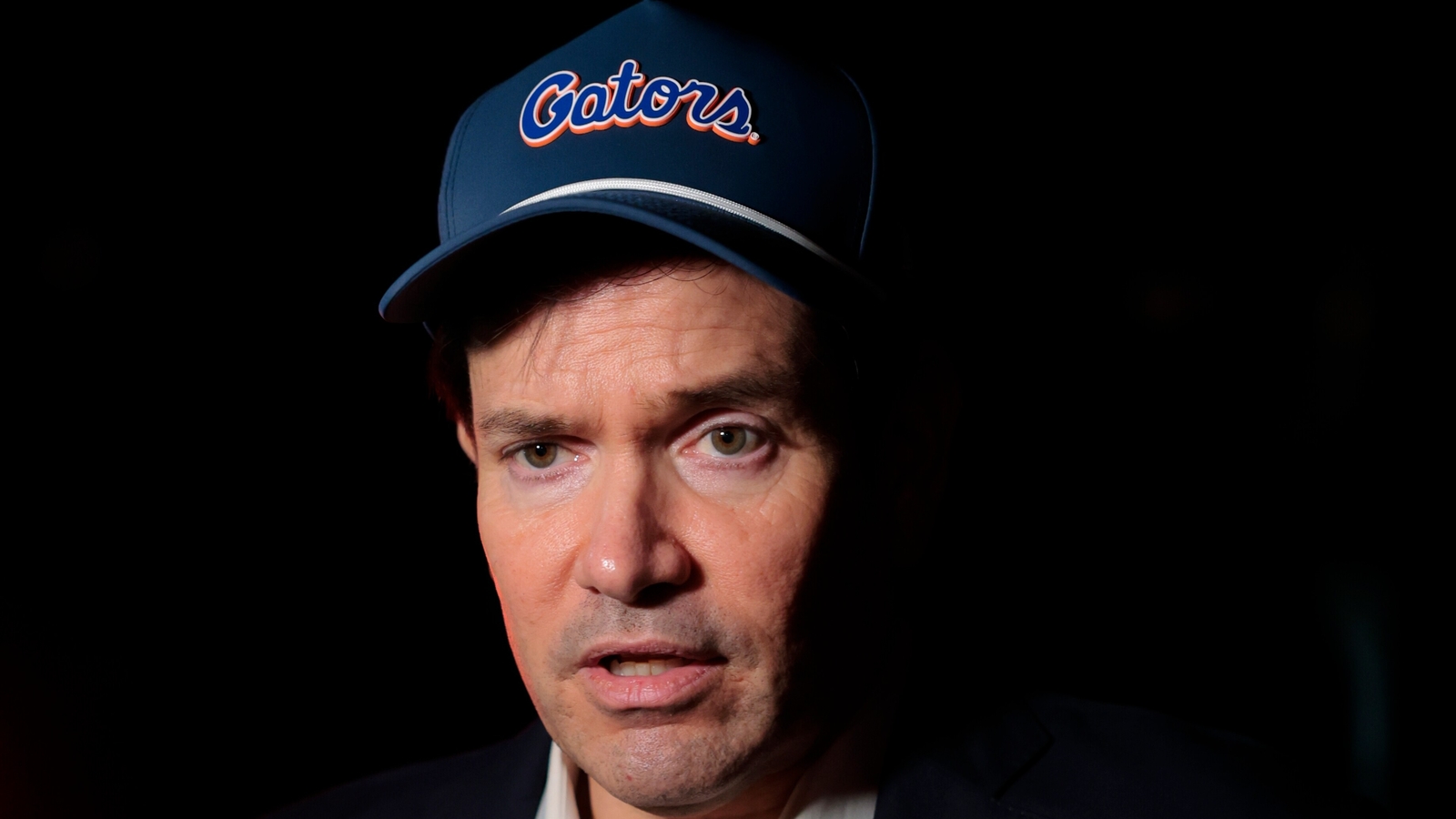
US Secretary of State Marco Rubio has struck a pragmatic tone regarding India’s energy imports, acknowledging that New Delhi cannot simply abandon Russian oil supplies in a single day. His comments arrive at a pivotal moment, following President Donald Trump’s decision to temporarily waive potential tariffs that could have impacted India and other nations over their continued energy trade with Moscow.
While Washington continues to view India as a vital strategic partner, the complex reality of global energy dependencies remains a point of diplomatic negotiation. Rubio emphasized that while India has made proactive efforts to diversify its energy portfolio, the sheer scale of the transition required to move away from Russian sources presents a significant logistical and economic challenge.
A balancing act for the White House
The Trump administration recently invoked a waiver clause under the Lindsey O. Graham Sanctioning Russian and Iran Act, granting a 60-day window for the US to assess the broader economic implications of imposing punitive measures. Under this legislation, the US had the authority to slap 100% tariffs on the top five nations helping Russia circumvent oil sanctions—a list that included India, China, Azerbaijan, Slovakia, and Hungary.
Rubio explained that the administration is utilizing this reprieve to carefully analyze how such sanctions and tariffs might ripple through the global economy, as well as the potential domestic impact on the United States.
“We need time to figure out the right combination,” Rubio stated. “India is an important ally and partner of the United States. We recognize they have voluntarily diversified their energy portfolio, but it is still getting a substantial amount of energy from Russia because it’s hard to pivot from one day to the next.”
The threat of secondary sanctions remains
Despite the recent reprieve, the legal threat against India has not been permanently extinguished. The waiver is temporary, leaving the Trump administration with the standing authority to trigger the act’s secondary sanctions at any time. The legislative framework was initially designed to exert extreme pressure on Russian financial institutions and their international partners, aiming to choke off the revenue Moscow uses to sustain its ongoing conflict in Ukraine.
For India, the current situation represents a precarious diplomatic tightrope. New Delhi has consistently maintained that its purchase of discounted Russian crude is driven by the need to ensure domestic energy affordability for a large, developing population, rather than geopolitical alignment.
Diplomatic undercurrents
The context of these negotiations is further complicated by recent shifts in US-Russia relations. President Trump recently announced a surprising diesel supply deal with Moscow, which will see Russia provide millions of tons of fuel to the US in the coming months. This move, characterized as a national-interest decision, has added an layer of unpredictability to Washington’s stance on sanctions.
Political analysts suggest that these moves are part of a broader, fluid strategy as the administration navigates domestic political pressures ahead of the upcoming midterm elections. As the 60-day review period progresses, the diplomatic focus will remain on how the US manages to balance its commitment to isolating the Russian economy while maintaining the integrity of its critical partnership with New Delhi. For now, the administration appears willing to grant India the operational space to manage its energy transition at a manageable pace.
Disclaimer: This content is auto-generated for informational purposes only.
Source: Read Original News