









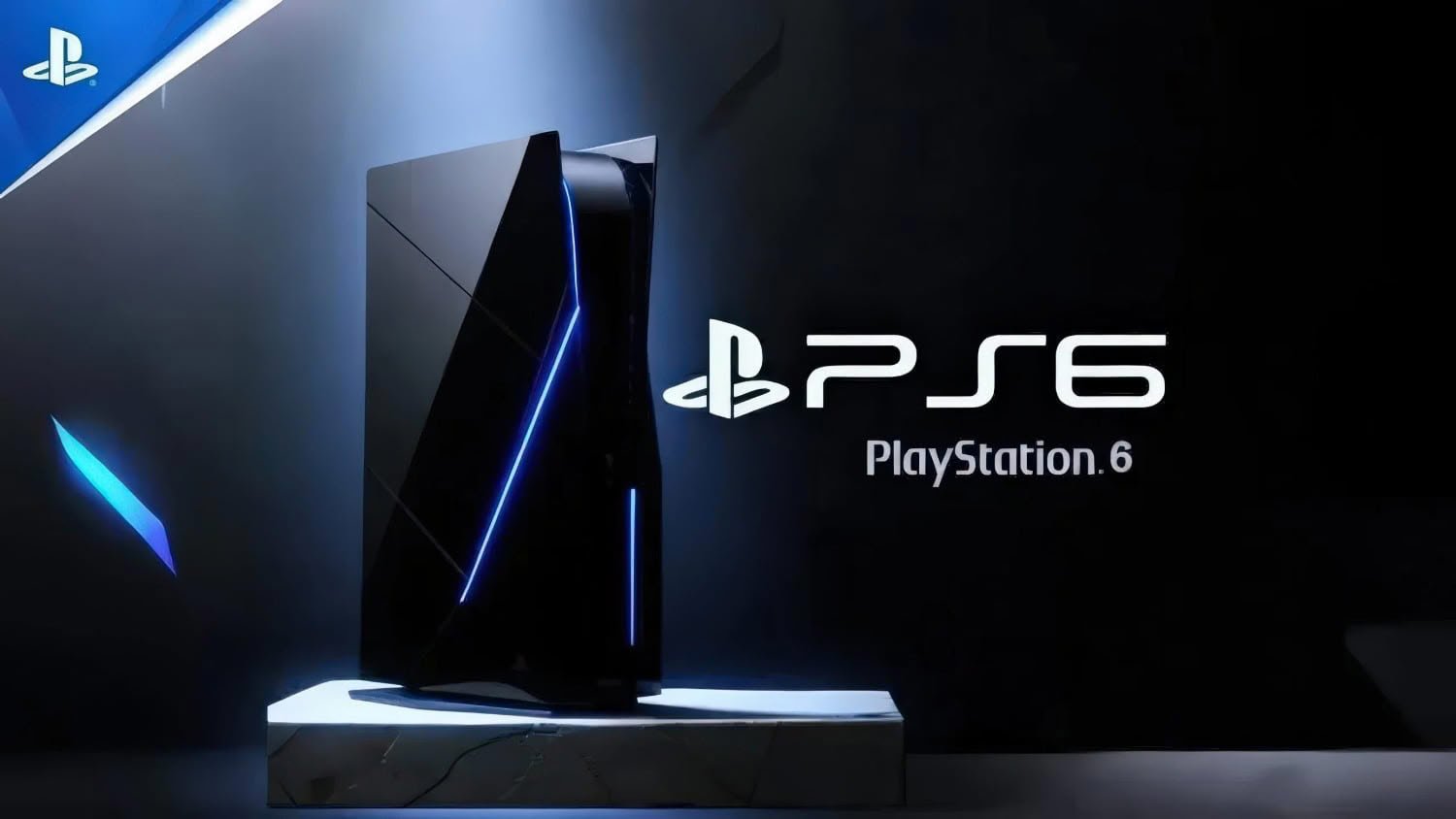
The Economic Reality of Next-Generation Hardware
The consumer electronics industry is currently witnessing a significant shift in component procurement, and nowhere is this more apparent than in the evolving bill of materials for next-generation gaming consoles. Recent hardware analysis concerning the upcoming PlayStation 6 indicates that the cost of critical components, specifically memory and high-speed storage, has reached levels that defy previous market expectations. Industry observers and hardware analysts now estimate that the cost for RAM and NAND flash modules alone could exceed $680 per unit.
This financial hurdle stems from a broader supply chain constraint. Because high-performance AI data centers are aggressively consuming global supplies of DRAM and NAND flash, consumer-grade hardware developers find themselves in a competitive market where pricing is dictated by the massive demand for server-grade components. This creates a difficult environment for console manufacturers who traditionally aim to launch hardware at accessible price points while balancing cutting-edge technical specifications. The $680 figure, which represents only a subset of the total hardware, suggests that the final retail cost of the PlayStation 6 will be significantly influenced by these market forces.
Understanding the GDDR7 Memory Architecture
Central to the projected cost of the PlayStation 6 is its reliance on next-generation GDDR7 memory. Unlike the GDDR6 used in current console generations, GDDR7 introduces substantial advancements in bandwidth and power efficiency, which are necessary to support the complex, high-fidelity rendering expected of future titles. Reports suggest that Sony is designing the system around a 160-bit memory bus, with engineering configurations exploring capacities as high as 40 GB, though 30 GB remains the more probable threshold for the final release.
The technical requirements for high-bandwidth memory in modern gaming are driven by the need to handle massive, high-resolution textures and complex geometry in real-time. As games incorporate more advanced ray tracing and AI-assisted upscaling, the throughput demands on the system memory increase proportionally. However, fitting this volume of high-speed memory into a consumer device at an affordable price is proving to be a logistical and financial challenge. The move to GDDR7 provides the necessary performance headroom but carries a premium manufacturing cost that contributes heavily to the rising estimates of the console’s total value.
The Impact of AI Data Centers on Consumer Pricing
The primary driver behind the current memory crunch is the explosive growth of artificial intelligence and large-scale machine learning infrastructures. Data centers require vast quantities of high-capacity DRAM and high-speed NAND storage to manage the training and inference cycles of generative AI models. This massive, enterprise-level demand creates a supply squeeze that limits the inventory available for consumer electronics.
Manufacturers of memory components, such as Micron, SK Hynix, and Samsung, are prioritizing these high-margin enterprise contracts. For a company like Sony, which relies on consistent, large-scale procurement to keep consumer costs low, this market saturation means paying top dollar for the necessary components. Every gigabyte of memory allocated to a PlayStation 6 must compete with the lucrative server market, effectively stripping away the cost advantages that once allowed for more affordable entry points in the gaming industry. As long as the AI boom continues to prioritize enterprise silicon, the costs for consumer hardware are expected to remain elevated.
Shifting Projections for the PlayStation 6
Hardware analysts, including notable industry monitors like KeplerL2, have provided fluctuating estimates regarding the total bill of materials for the PlayStation 6. Earlier reports suggested a baseline manufacturing cost in the $760 range, but more recent assessments indicate that this figure has climbed toward the $960 threshold. These updates reflect the volatility of the semiconductor market and the reality that as specific system configurations are finalized, the costs of high-performance components become increasingly transparent.
The prospect of a console reaching or exceeding the $1,000 price point marks a definitive departure from the traditional console pricing model. In previous generations, Sony and its competitors often subsidized hardware costs, relying on software sales and platform services to bridge the financial gap. However, when the raw cost of components like memory and storage approaches such high levels, the traditional subsidy model becomes unsustainable. This shift could force a pivot in strategy, potentially resulting in higher retail prices or more restrictive hardware configurations to keep the product within a marketable range.
Future Outlook for Console Hardware Design
As the industry looks toward the release of the PlayStation 6, the tension between performance expectations and economic feasibility remains the defining narrative. Gamers expect generational leaps in graphical fidelity and performance, which necessitates expensive, top-tier hardware. Yet, the current memory crunch illustrates the limitations of relying on cutting-edge components when global supply chains are preoccupied with other sectors.
Engineers are likely exploring various methods to optimize the system, such as using tiered storage architectures or more efficient memory controllers, to mitigate these high costs. However, there is a hard floor to how much these components can be reduced without compromising the performance goals of the system. Whether Sony chooses to absorb some of these costs to keep the machine accessible, or passes the burden to the consumer, the PlayStation 6 will likely serve as a benchmark for how the console market adapts to the era of widespread AI and the high-cost reality of next-generation hardware. The final specifications and pricing will depend heavily on the evolution of these supply chains throughout the remainder of the development cycle.
Disclaimer: This content is auto-generated for informational purposes only.
Source: Read Original News