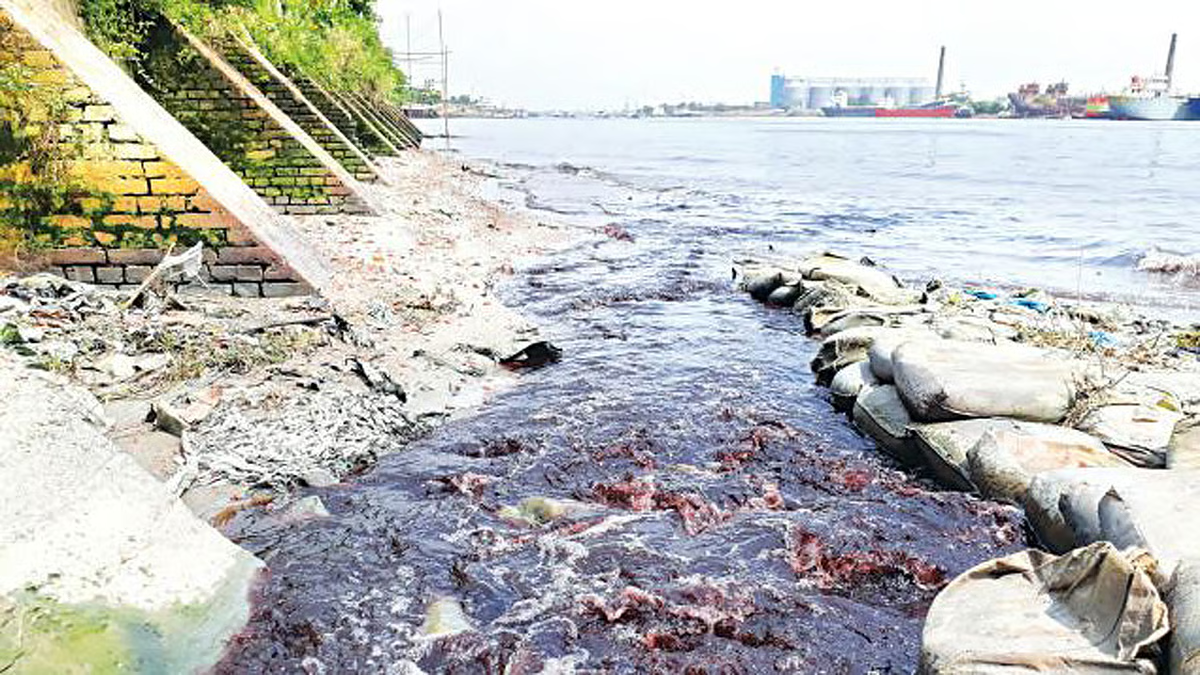









Lincolnshire is defined by its sweeping horizons and expansive arable fields, a landscape anchored by natural treasures like Bourne Wood and the historic Grantham Canal. For residents of this region, the environment is not merely a scenic backdrop but the foundation of the local economy and community life. However, there is a growing consensus among local representatives and rural stakeholders that the current framework for environmental governance is failing to strike the necessary balance between conservation and the practical realities of rural livelihoods.
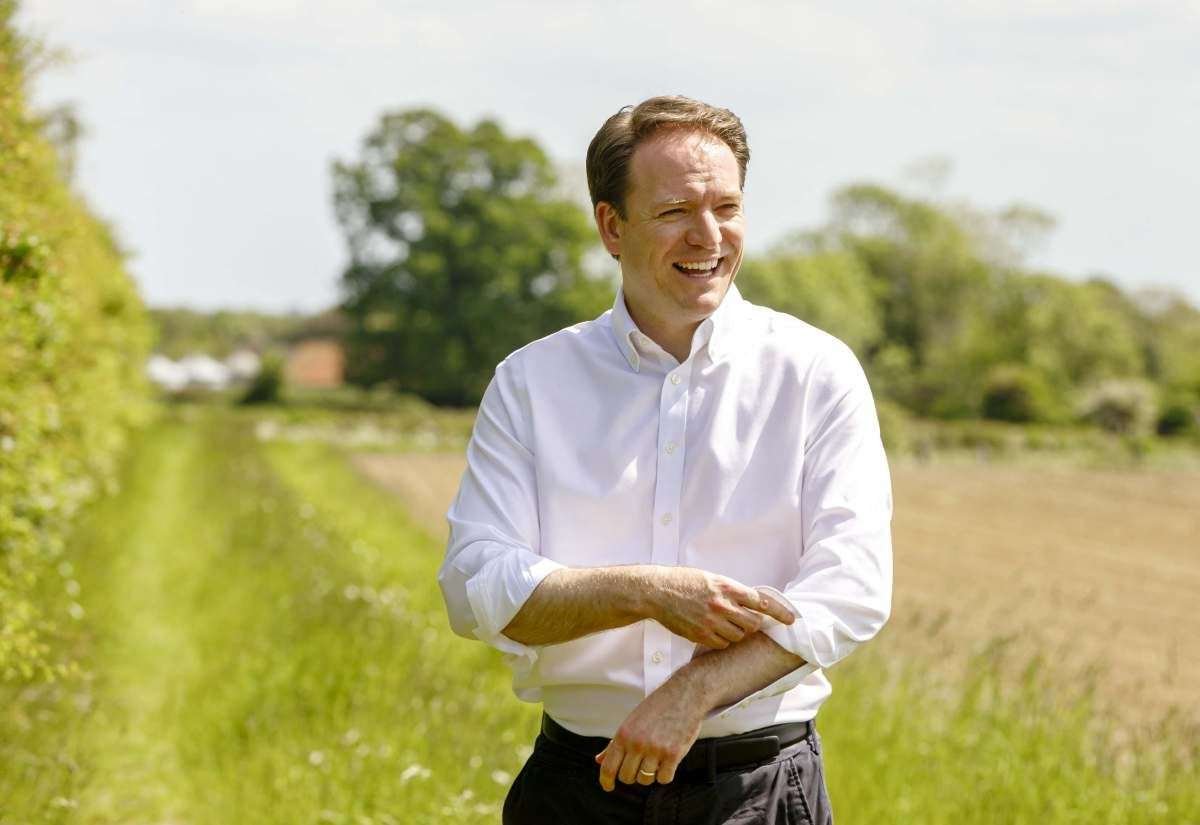
Gareth Davies, Member of Parliament for Grantham and Bourne, has recently ignited a debate regarding the future of environmental management in the UK, calling for the abolition of the Environment Agency (EA). His argument centers on the belief that the agency has become an overly bureaucratic, arms-length body that lacks the necessary accountability to the communities it serves.
The Environment Agency, an executive non-departmental public body sponsored by the Department for Environment, Food and Rural Affairs (Defra), currently holds broad responsibilities spanning environmental permitting, waste regulation, water quality, and, crucially, flood risk management. For a county like Lincolnshire, where topography and climate make flooding a constant concern and where agriculture is a dominant economic driver, the agency’s decisions carry profound, tangible consequences.
Critics, including many local farmers, argue that the agency’s regulatory approach has become disconnected from the realities of rural life. Concerns are frequently raised regarding the agency’s management of river dredging and its increasingly restrictive agricultural regulations. For farming families already contending with thin margins and economic volatility, these mandates are often viewed as obstacles that hinder productivity rather than pragmatic measures to ensure sustainability.
The core of the criticism is that the EA’s “arms-length” status shields it from direct democratic oversight. By operating at a distance from Parliament, decisions that impact the daily lives of residents and the success of local businesses are often made by unelected officials who may lack the nuanced, local knowledge required for effective regional governance. Mr. Davies argues that the current system imposes “unrealistic environmental ambitions” that do not adequately factor in the social and economic welfare of rural populations.
The proposed solution—abolishing the agency and returning its functions directly to Ministers—is intended to foster a system of “clearer accountability.” Proponents of this reform suggest that moving these responsibilities under the direct control of government ministers would streamline decision-making processes. The objective is to replace the current bureaucratic hurdles with a system that values common sense and relies on localized expertise to solve environmental challenges.
Importantly, proponents of this shift emphasize that the goal is not to abandon environmental stewardship. Instead, the argument is that protecting the environment and supporting the rural economy should be complementary objectives rather than competing ones. By integrating environmental management into the political accountability structure, advocates believe that local communities will have a more direct voice in how their land, water, and resources are managed.
While the regional teams within the Environment Agency are often acknowledged for their individual dedication and hard work, the argument persists that the systemic problems are structural. The push for change reflects a broader frustration among rural constituencies who feel that the current model prioritizes abstract regulation over the practical needs of those who work the land.
As this debate continues, the fundamental question remains: can environmental protection be achieved more effectively through a centralized, bureaucratic agency, or would the return to direct ministerial accountability foster a more balanced and locally responsive approach? For Lincolnshire, the outcome of this conversation will have lasting implications for both the preservation of its famous, open landscapes and the vitality of the communities that call them home.
Disclaimer: This content is auto-generated for informational purposes only.
Source: Read Original News