







The rapid integration of artificial intelligence into the retail landscape has sparked a wave of anxiety among American shoppers. As stores shift from traditional paper shelf labels to high-tech digital displays, consumers are expressing frustration—and confusion—over how modern technology is influencing the prices they pay at the checkout counter.
While shoppers have long accepted dynamic pricing in sectors like airline tickets and rideshare services, the application of algorithms to everyday groceries and retail goods has created a new level of friction between companies and their customers.
## The Rise of Digital Shelf Labels and Algorithmic Pricing
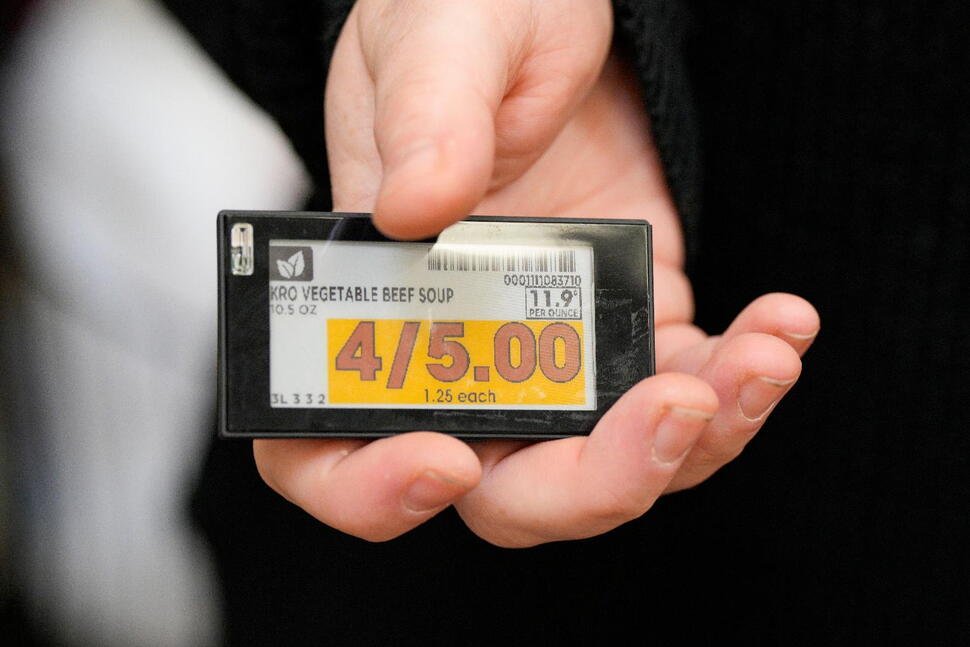
Retail giants like Walmart and Whole Foods are increasingly deploying electronic shelf labels (ESLs) across their U.S. stores. Unlike static paper tags, these digital screens allow retailers to update prices instantly across an entire inventory. Industry leaders, including Walmart CEO John Furner, argue that these systems are primarily intended to improve operational efficiency and ensure that price displays remain accurate, rather than enabling rapid, predatory fluctuations.
However, the technology is often viewed with suspicion by the public. Concerns have proliferated on social media that these systems could be used to implement “surge pricing,” where the cost of bread or milk might spike during peak shopping hours. Retail experts emphasize that such practices remain exceedingly rare in grocery settings, where consumer demand for price consistency tends to discourage the erratic fluctuations common in travel or hospitality markets.
## Surveillance Pricing and the Role of Personal Data
At the heart of the consumer backlash is the concept of “personalized pricing,” often dubbed “surveillance pricing” by critics. This practice involves using customer data—such as location history, income estimates, and browsing habits—to tailor specific prices or discounts to individual shoppers.
The potential for such tactics has drawn significant attention from federal regulators. The Federal Trade Commission (FTC) has signaled a firm stance, issuing warnings that failing to disclose the use of personal data for individualized pricing could constitute a violation of consumer protection laws. Meanwhile, legislative bodies in states like Maryland, New Jersey, and Connecticut have already passed measures to restrict the use of shopper data in determining final retail costs. These legal efforts are designed to ensure that retailers maintain transparency, preventing scenarios where two people might be charged different amounts for the exact same item based on their hidden digital profiles.
## AI: Driving Profits or Distorting Markets?
Artificial intelligence has become the engine behind modern pricing strategies. Companies are leveraging AI software to analyze massive datasets—including competitor pricing, inventory levels, and historical sales patterns—to optimize profit margins. According to recent research from the global consulting firm Simon-Kucher, a significant percentage of business leaders have adopted AI tools for real-time price optimization.
However, this algorithmic shift has invited legal scrutiny. Regulatory bodies have begun to investigate whether these tools are being used to undermine market competition. For instance, the FTC has challenged Amazon over a past pricing tool known as “Project Nessie,” alleging it was used to manipulate prices across the broader market. Simultaneously, lawsuits against major restaurant chains have questioned whether AI-driven systems are facilitating improper price coordination between corporate entities and their franchisees.
As the retail industry pushes further into the age of AI, the fundamental conflict remains: companies seek to use technology to maximize efficiency and revenue, while consumers demand a level playing field characterized by stability and clear communication. With lawmakers across 30 states considering new pricing regulations, the battle over who controls the algorithm—and how much data is too much—is likely to shape the future of the American shopping experience for years to come.
Disclaimer: This content is auto-generated for informational purposes only.
Source: Read Original News