








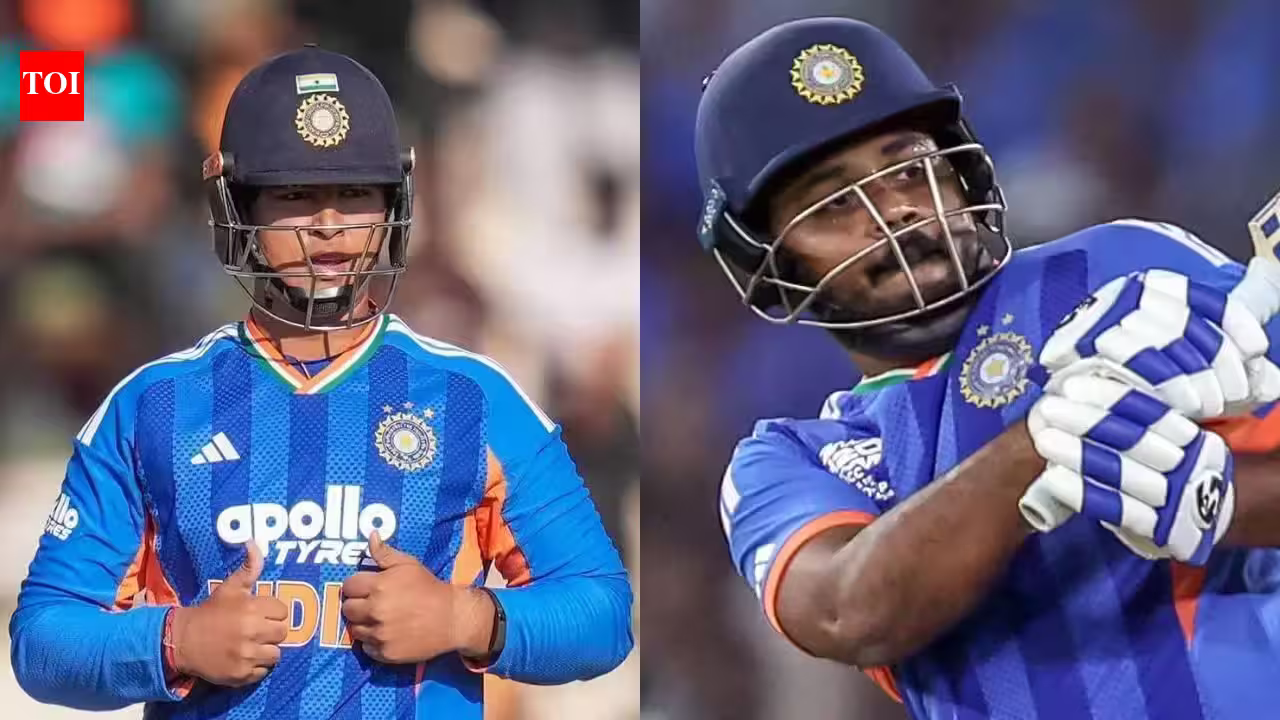
Patience remains the ultimate virtue in the high-stakes world of Indian cricket, and for young sensation Vaibhav Sooryavanshi, that lesson is being served front and center as the national team prepares for its upcoming T20I series against New Zealand.
Despite the growing clamor from fans and pundits alike to inject fresh blood into the lineup, former India assistant coach Abhishek Nayar has weighed in on the delicate selection dilemma, suggesting that incumbent wicketkeeper-batter Sanju Samson’s unique ability to oscillate between frustration and brilliance makes him an immovable force—at least for now.
The Samson Enigma: A Rollercoaster of Form
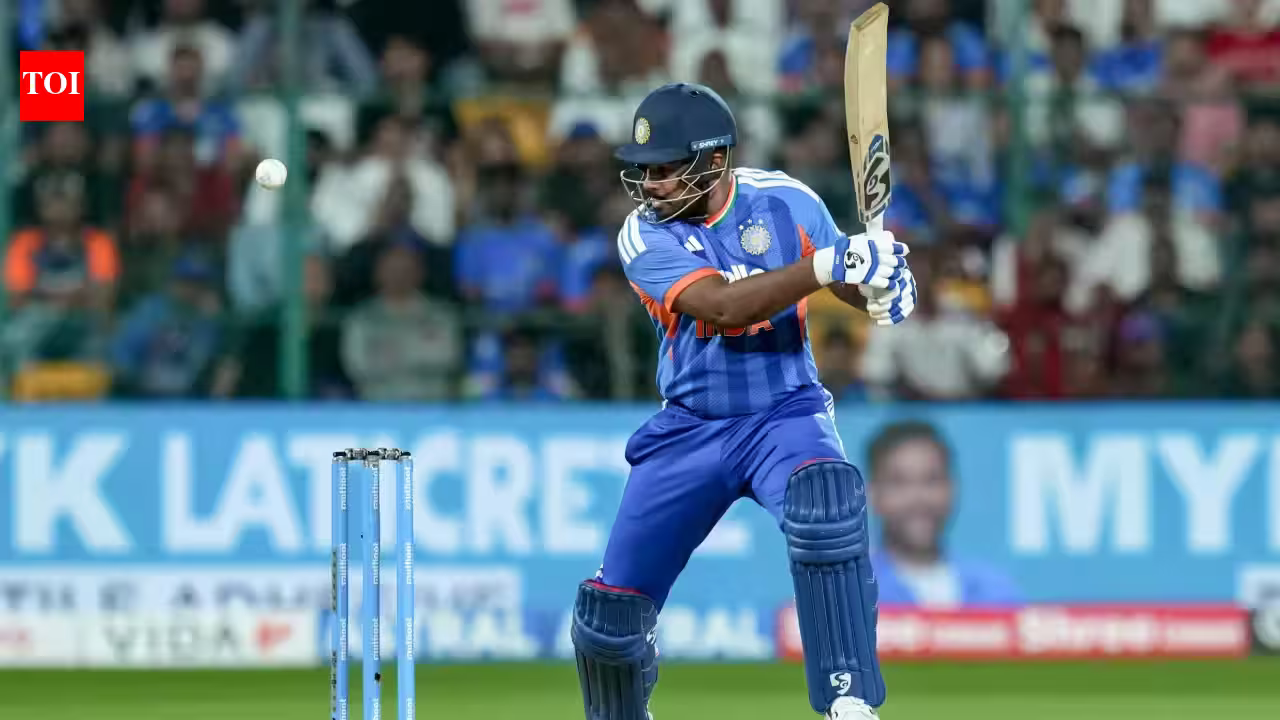
Sanju Samson has long been the subject of intense national debate. His career is characterized by long stretches of silence followed by symphonies of aggressive, match-winning knocks. For many, this inconsistency is grounds for rotation, but Nayar views it through a different lens. To Nayar, Samson’s tendency to flirt with poor form is precisely why he remains a fixture in the side; he possesses a rare, almost intuitive knack for rising from the ashes just as the whispers of his demise reach a fever pitch.
“Sanju plays with everyone’s emotions,” Nayar candidly remarked in an interview with JioStar. “He won’t score runs for two matches, and everyone starts raising questions: ‘Vaibhav Sooryavanshi should play, Sanju Samson isn’t capitalising on his chances, how long will we wait?’ And at that very moment, he will score an 80 in no time. Sanju is that kind of player who will repeatedly give you opportunities to raise questions about him and then will play a big knock, making the most of his chances.”
This “emotional cycle” creates a paradox for team management. Just as the argument to replace him reaches its logical peak, Samson produces the innings that renders the argument obsolete. Consequently, the door remains firmly shut for emerging talents like Sooryavanshi, who must stand on the periphery, waiting for a crack in the door that Samson’s sporadic brilliance continues to seal.
Tactical Balance: The Case for the Left-Right Combination
While individual form is the primary conversation, Nayar was quick to point out that the exclusion of Sooryavanshi is not merely a critique of his ability, but a tactical calculation dictated by the needs of the team’s top-order architecture. Modern T20 cricket is increasingly obsessed with favorable matchups, and the presence of left-arm bowlers often dictates who sits in the dugout.
Nayar emphasized that India’s strategic roadmap prioritizes a left-right batting combination to disrupt the rhythm of opposition spinners and pacers alike. “It’s not so much about Vaibhav Sooryavanshi and Sanju Samson; it’s about having that left-right combination so that a bowler like [Michael] Bracewell doesn’t come and bowl out his overs in the powerplay,” Nayar explained.
By maintaining a right-hander like Samson in the middle order, India forces opposing captains to constantly shuffle their bowling plans. If the team were to shift too drastically, they risk being “read” by savvy opposition captains, turning a minor tactical adjustment into a massive liability during the pivotal stages of the game.
Preserving the Team Culture
Beyond the tactical board, Nayar touched upon the “intangibles” that define a successful coaching tenure: team culture and player development. He argued that throwing youngsters into the fire haphazardly, simply to appease public demand, can be more detrimental than helpful to the player’s long-term trajectory.
“Often, for a team’s culture, if you are a coach or a captain, it is crucial to make the right decisions,” Nayar noted. “If you make haphazard decisions, the impact on Vaibhav Sooryavanshi’s career is one thing, but the impact on team culture will be far greater. So, according to me, the decision will be, ‘Vaibhav, wait for your time; you will also get opportunities.’”
The philosophy here is clear: the national cap must be earned through a defined process rather than reactionary selection. By resisting the urge to make reactionary changes, the management aims to instill a sense of stability, signaling to the bench that their time will come when the circumstances—and the team balance—align perfectly.
The Road Ahead
For Sooryavanshi, the message from the coaching hierarchy is one of steady, controlled development. The upcoming series against the Black Caps will be another test of the current unit’s coherence. While the fans may be eager to see the young gun ignite the stadium, the current strategy suggests that India is prioritizing a high-ceiling veteran who, despite his fluctuations, remains capable of winning games on his own terms.
Nayar left the door ajar for the youngster, noting that rotations are inevitable in the grueling calendar of modern cricket. “Maybe in a series where Sanju isn’t there or is rested, he will play,” Nayar admitted.
Until that moment arrives, the cricket world will continue to watch, waiting to see if Samson can sustain his brilliance or if the pressure of the waiting room will finally necessitate a changing of the guard. For now, however, the status quo remains the order of the day. The talent is there, the intent is clear, but the timeline, as always, is dictated by the unforgiving rhythm of international cricket.
Disclaimer: This content is auto-generated for informational purposes only.
Source: Read Original News