





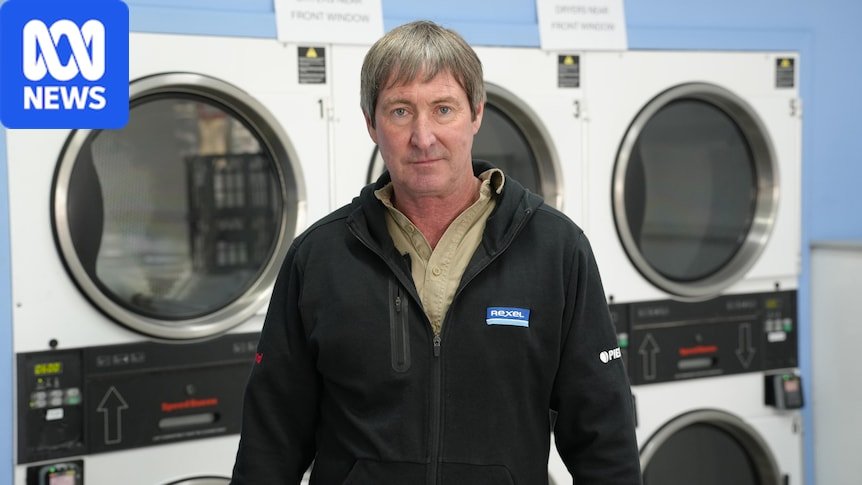
Albany’s business community is in crisis following the decision by energy giant ATCO Australia to decommission the city’s reticulated liquefied petroleum gas (LPG) network. For operators like local laundromat owner Hayden Jones, the move is more than just a change in infrastructure; it threatens the viability of his business, which relies on consistent, affordable gas for high-volume dryers and heating.
The planned shutdown, announced earlier this year, will force hundreds of residents and businesses to transition to either bottled gas or electrical alternatives over the next three years. However, the path to this decision has sparked significant community backlash after Freedom of Information (FOI) documents revealed that the energy provider and the WA state government had been negotiating the network’s fate months before the public was alerted.
## Government Secrecy and Public Backlash
The discovery of confidential correspondence has deepened mistrust between local stakeholders and officials. Documents show that as early as May 2025, ATCO initiated “strictly confidential” discussions with the Department of Energy and Economic Diversification regarding the network’s future. A follow-up meeting between ATCO representatives and Energy Minister Amber Jade Sanderson occurred just a week later.
Albany Mayor Greg Stocks has been vocal in his criticism, labelling the lack of transparency “particularly rude.” He argues that had the city been informed when the government first learned of the plan, local leadership could have sought alternative suppliers or explored transition strategies. Instead, business owners feel they were kept in the dark while their future was negotiated behind closed doors.
Minister Sanderson has defended the government’s position, noting that the conversations with ATCO were “courteous but frank.” She maintains that the state government pushed for the network’s retention, but ultimately found the provider unwilling to backtrack on a commercial decision driven by aging infrastructure and rising maintenance costs.
## Technical Life and the Case for Electrification
ATCO maintains that the infrastructure—vital to the operation of local businesses—has reached the end of its technical life and requires a total rebuild. This reality, the provider argues, necessitates the decommissioning process.
For the government, the focus has shifted toward managed transition rather than restoration. Minister Sanderson has confirmed that the state will not consider taking over the network, citing it as an unviable path. Instead, the current policy focuses on helping residents and businesses move toward electrification or individual bottled gas solutions. While some see this as a necessary step in regional modernization, for many in Albany, it represents an expensive shift that could alter the economic landscape of the city.
## A Growing Movement for Intervention
The frustration of affected residents has consolidated into organized action, with a petition garnering over 2,500 signatures submitted to parliament. The petition calls for a radical shift in approach, urging the state government to step in and either secure a new supplier or bring the network under public control to ensure stability for local industry.
Despite the pressure, the government remains firm on its refusal to nationalize or save the existing gas infrastructure. As the countdown to the network’s final closure begins, the tension between government policy, private sector commercial interests, and the survival of regional small businesses remains unresolved. For those like Hayden Jones, the future remains uncertain, with the looming costs of replacing industrial equipment likely to test the resilience of Albany’s economy in the coming years.
Disclaimer: This content is auto-generated for informational purposes only.
Source: Read Original News