






Strategic Realignment of India’s Ethanol Blending Mandate
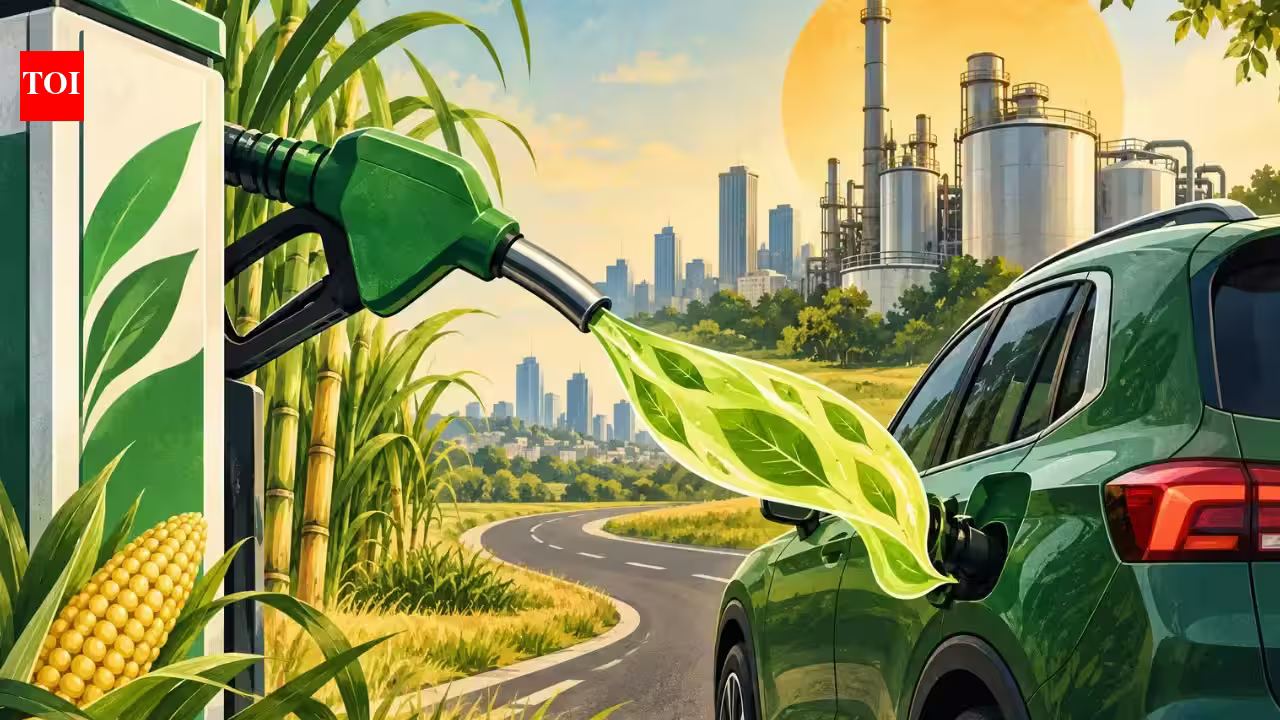
The government of India has initiated a significant structural shift in its ambitious Ethanol Blending Programme (EBP), a move that underscores the intricate balance between energy security and food price stability. In a recent tender document for the 2026-27 supply year, state-run Oil Marketing Companies (OMCs), led by Bharat Petroleum Corporation Ltd (BPCL), have explicitly excluded ethanol derived from sugarcane juice, sugar syrup, and B-heavy molasses. This decision marks a pivotal departure from previous years where the government encouraged the diversion of sugar to meet fuel blending targets.
For the 2026-27 period, the government has mandated that sugar diversion for ethanol production be reduced to zero. This policy change serves as a critical intervention in the domestic sugar market, reflecting the state’s intent to prioritize domestic food security over fuel transition metrics. By shifting the procurement focus entirely toward alternative feedstocks, the government is signalling a recalibration of the EBP, which has historically relied heavily on the sugar industry to achieve its 20 percent blending (E20) targets.
Drivers Behind the Feedstock Pivot
The primary motivation for this sudden policy change is the necessity to stabilize domestic sugar supply and combat inflationary pressures. India remains the world’s largest consumer of sugar, and any volatility in production—often exacerbated by climatic anomalies—leads to sharp price fluctuations that impact the broader consumer basket. Recent rainfall patterns in key producing states like Maharashtra and Karnataka have been inconsistent, raising concerns regarding potential output deficits in future cycles.
When the government diverts sugarcane juice and high-grade molasses toward ethanol, the total availability of sugar for human consumption declines. In an environment where monsoon variability threatens production, the previous policy of aggressive diversion became a liability. By restricting the use of sugar-based raw materials, policymakers are effectively building a buffer stock of sugar within the domestic market. This measure ensures that the energy transition does not come at the cost of essential commodity affordability, addressing the fundamental trade-off between fuel security and food inflation.
The Shift Toward Grain-Based Ethanol Production
With sugar-based materials off the table, the responsibility for meeting the 11-billion-litre ethanol demand for 2026-27 falls squarely upon grain-based distilleries. The tender specifies that OMCs will procure ethanol derived from maize, broken rice, and surplus rice held by the Food Corporation of India (FCI), alongside C-heavy molasses.
However, the transition to a grain-dominated procurement strategy is not without its challenges. The government has simultaneously downwardly adjusted the procurement price for maize-based ethanol from Rs 71.86 to Rs 68.86 per litre. Furthermore, the incentive for maize-based production has been slashed from Rs 5.79 to Rs 2.79 per litre. This reduction in the financial premium creates a tighter margin environment for distillers. Industry participants who invested heavily in capacity expansion based on the previous price structure may face short-term fiscal strain. The success of this policy shift depends on whether the lower procurement price remains lucrative enough to encourage farmers to prioritize maize cultivation over other commercial crops and whether distilleries can optimize operations to maintain profitability at the revised rates.
Implications for the E20 Blending Programme
The E20 mandate—the goal of blending 20 percent ethanol with petrol—remains the overarching objective for the Indian energy sector. Critics might argue that excluding the most consistent source of ethanol (sugarcane) could jeopardize the pace of this rollout. However, the government maintains that the blending programme is not ending, but rather transitioning to a more sustainable, diversified feedstock model.
The feasibility of this transition rests on two pillars: agricultural yield and industrial capacity. By incentivizing maize and rice usage, the government is essentially diversifying the agricultural base of its energy programme. If grain production remains robust, the reliance on sugar is reduced, thereby decoupling the fuel blending progress from the cyclical nature of the sugarcane harvest. This provides a level of stability to the EBP, ensuring that even in years of low sugar yields, the ethanol supply chain remains functional.
Market Insights and Long-Term Economic Impacts
For the Indian corporate sector and the farming community, this policy shift indicates a move toward more disciplined feedstock management. Distilleries are now forced to become more agile, shifting their technological processes to process diverse grain types rather than relying on the simpler fermentation of molasses. Over the medium term, this could lead to advancements in enzymatic technology and process efficiency within Indian distilleries, as they adapt to the variable nature of grain-based feedstocks.
From the farmers’ perspective, the government’s approach continues to provide a guaranteed buyer for surplus grains. While the price incentive for maize has been lowered, the assured demand from the EBP provides a floor for prices that might otherwise collapse during seasons of bumper harvests. The long-term economic efficacy of this policy will depend on the government’s ability to maintain a price balance that prevents over-diversion of grains, which could eventually trigger food security concerns similar to those seen in the sugar sector.
Conclusion: A Multi-Year Balancing Act
The government’s decision to remove sugar-based materials from the 2026-27 ethanol tender is a calculated move to manage the nation’s commodity risk. By prioritizing food security during uncertain climatic cycles, the state is demonstrating that the energy transition must be economically integrated with the primary agricultural sector.
Moving forward, the success of the E20 programme will hinge on the efficiency of grain supply chains and the ability of the distillery industry to adapt to leaner price structures. As India moves toward 2027, the ethanol market will likely see increased scrutiny on the procurement of maize and rice. The policy serves as a stark reminder that in a developing economy, energy targets cannot be pursued in isolation from the broader mandates of food sufficiency and inflation management. This recalibration is not a retreat from the clean energy path, but a strategic evolution designed to ensure that the fuel for tomorrow does not compromise the food for today.
Disclaimer: This content is auto-generated for informational purposes only.
Source: Read Original News