








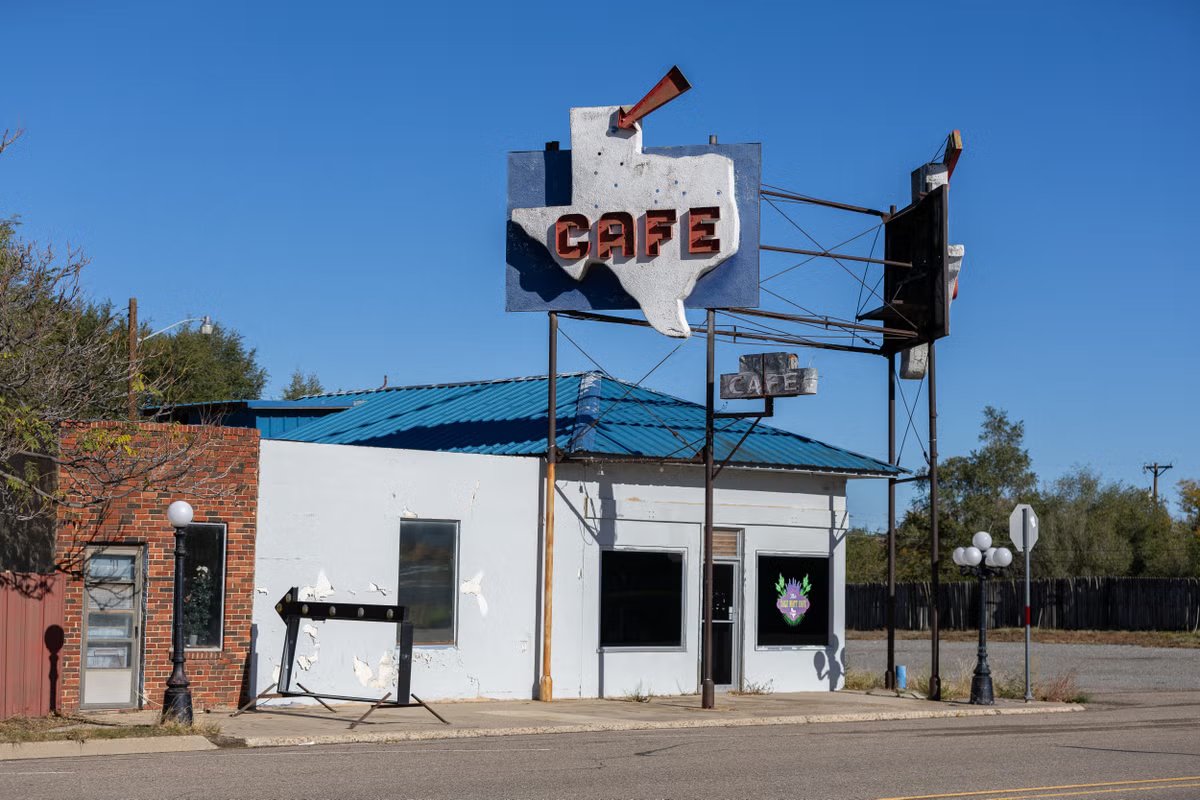
In the vast, wind-swept expanse of the Texas Panhandle, political outreach is rarely an easy task. But for Democrats attempting to gain a foothold in Roberts County, the effort is described as a near-impossible labor. In this rural community, where Trump signs outnumber Democratic voters by the hundreds, the party of Franklin Roosevelt has effectively been in hibernation for decades.
Roberts County—home to approximately 870 residents and the town of Miami—has cemented its reputation as arguably the most pro-Trump county in America. In each of the last three presidential elections, more than 94 percent of the local electorate has backed Donald Trump. While the rest of the nation grapples with shifting political tides, this county’s allegiance to the former president has remained ironclad and consistent.
The numbers tell a stark story: This year’s Democratic primary drew a mere three voters, whereas the Republican primary saw 306 participants. “We just haven’t been able to get any traction there,” says Sean Birkenfeld, president of Panhandle Democrats.
Local organizers suggest the lack of support may be partially due to a climate of social pressure. Many residents are believed to be “closeted” Democrats, reluctant to display their party affiliation or publicly voice their opinions for fear of personal backlash or the erosion of long-standing friendships. The county is a place where political passion runs deep; one local resident, museum curator Susan Bowers, has previously described herself as the “black sheep of Miami,” noting that her open opposition to Trump cost her significant personal relationships.
Mark Nair, the Democratic nominee for Texas’ 13th Congressional District, has visited the region multiple times in an attempt to engage voters. He describes the experience as trying to “crack a tough nut.” Despite his efforts to connect with residents on local issues like agribusiness and water rights, the cultural wall remains high. “They’re very, very nice people who believe in their community and their family,” Nair said. “But when it turns to politics, it’s almost like you’re trying to crack this tough nut.”
Yet, some organizers remain cautiously optimistic. Bonny Krahn, who manages a virtual network for Democrats in the area, is focusing on the long game: rebuilding local party infrastructure. While the local chair position remains vacant, the broader effort to organize Texas counties is gaining momentum.
On a statewide level, Democrats are sensing a rare opening to challenge the Republican party’s decades-long dominance. A tightening U.S. Senate race between Democratic state Representative James Talarico and Republican Attorney General Ken Paxton has signaled that even in Texas, the political landscape may be shifting.
For now, in Roberts County, the goal is modest. It is not about an immediate electoral revolution, but rather the quiet work of finding a local chair and creating a space where the few local Democrats no longer feel the need to remain silent. In a place where a primary can be decided by three people, even the smallest gains are being treated as a start.
Disclaimer: This content is auto-generated for informational purposes only.
Source: Read Original News