








The Regulatory Scrutiny of Alcohol Imports in India
The Indian market for premium spirits, currently valued at approximately $65 billion, has long been a complex arena for multinational corporations. Recent developments have placed two industry titans, Pernod Ricard and Diageo, under the microscope of the Directorate of Revenue Intelligence (DRI). The investigation, which involves site visits and scrutiny of import documentation, centers on the classification of bulk Scotch whisky concentrates. As the Indian government continues to navigate the complexities of international trade agreements, these corporate investigations highlight the persistent tension between global firms and local tax authorities regarding import duties and nomenclature.
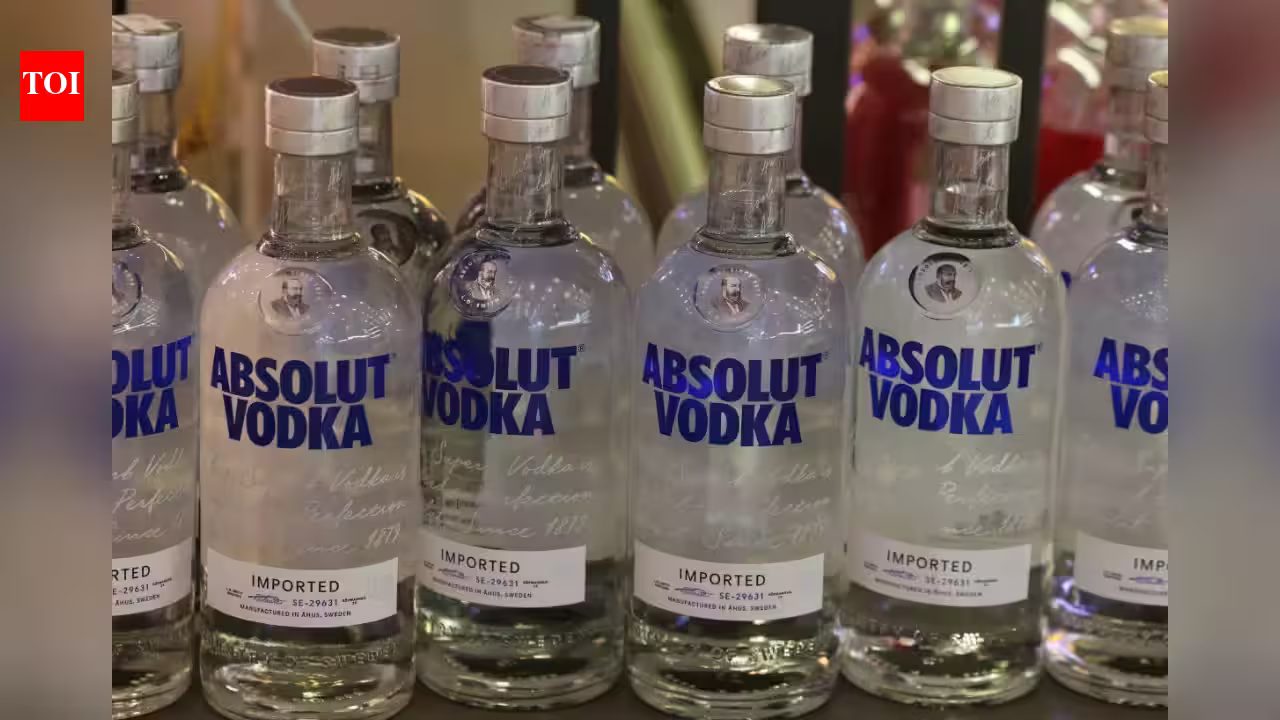
The crux of the matter lies in the interpretation of the recently implemented India-UK trade agreement, which took effect on July 15. This pact was designed to foster stronger economic ties by slashing import tariffs on Scotch whisky from 150 percent to 75 percent, with a roadmap to reach 40 percent over the next decade. However, tax inspectors have raised concerns that the reduction in duties was intended for finished products rather than the bulk Scotch concentrates imported by these companies for local blending and bottling. This distinction is vital, as tax authorities argue that the preferential tariff rates do not apply to the raw materials used in the production of domestic-label brands like Royal Stag, Blenders Pride, and McDowell’s.
The Mechanics of Tariff Classification and Tax Compliance
For companies like Diageo and Pernod Ricard, the ability to import bulk Scotch is a fundamental part of their Indian operational strategy. By importing the base concentrate and conducting the final production within India, these firms cater to local consumer preferences while managing costs. The current dispute underscores a classic regulatory friction point: the gap between the letter of a trade agreement and its administrative enforcement.
The tax department’s concern is rooted in the categorization of goods under the Harmonized System (HS) codes. If an importer classifies a bulk concentrate under a category intended for bottled-in-origin Scotch, they may inadvertently—or intentionally—benefit from a lower duty structure that was not designed for industrial inputs. While the companies maintain that they have acted in accordance with local laws, the authorities are conducting a rigorous review to determine if the classification was used as a loophole to evade higher taxes. This is not the first time such disputes have surfaced in the Indian business landscape. The history of the Indian tax regime is replete with similar challenges involving global conglomerates, ranging from technology firms like Samsung to automotive giants like Volkswagen. These incidents often result in significant back-tax demands, causing years of litigation and financial uncertainty for the affected organizations.
Strategic Impact on the $65 Billion Alcohol Market
The Indian alcohol market is highly sensitive to price adjustments. Following the tariff reductions in July, both Pernod Ricard and Diageo implemented price drops of approximately 10 to 15 percent on select premium brands in states such as Maharashtra, Goa, Rajasthan, and Uttar Pradesh. These price adjustments were intended to stimulate consumer demand and expand the market share of high-end whiskies. However, if the current investigation results in a reclassification of these imports, the subsequent imposition of back taxes could force these companies to reconsider their pricing strategies or absorb substantial financial losses.
Furthermore, the scale of this investigation suggests that the DRI is taking a proactive approach to prevent revenue leakage. With the UK accounting for nearly 75 percent of India’s imported spirits market, the implications of this case extend beyond just two companies. It sets a precedent for how trade agreements are interpreted at the ground level. If the tax authorities prevail, it could fundamentally alter the cost structure for all companies relying on bulk import models for alcohol production in India.
Navigating a Challenging Regulatory Environment
For Pernod Ricard, this investigation is merely the latest in a series of regulatory hurdles. The French multinational has been navigating ongoing antitrust cases and a staggering $314 million back-tax demand related to the valuation of its imports. For Diageo, the situation is similarly nuanced, as the company recently agreed to reformulate certain popular drinks following bans by state food safety regulators. Both corporations have publicly stated their commitment to cooperating with authorities and providing necessary documentation, signaling a desire to resolve these issues through standard administrative channels rather than prolonged legal battles.
However, the frequency of these interventions suggests that global liquor companies face a specialized risk profile in India. The regulatory environment is characterized by a high degree of overlap between state and central authorities, as well as a mandate for tax officials to maximize revenue collections. For stakeholders, these events underscore the necessity of maintaining impeccable documentation and ensuring that classification practices are defensible under the most stringent interpretations of trade law.
Broader Implications for India-UK Trade Ties
The India-UK trade pact was celebrated as a milestone in bilateral relations, promising to usher in an era of easier access to “iconic UK products” like Scotch whisky and gin. British government data indicates that UK whisky exports to India were valued at over £200 million in 2022, and both nations view the spirit industry as a key pillar of their commercial partnership. Consequently, the current investigation creates a delicate diplomatic and economic scenario.
If the dispute over bulk imports persists, it may lead to a reassessment of the scope of future trade negotiations. Both the Indian government and international exporters must find a way to align their administrative definitions to prevent these types of investigations from becoming a recurring roadblock. For the companies involved, the path forward requires a balance of assertive legal compliance and strategic public relations. Ensuring that the price benefits of tariff reductions reach the consumer without triggering tax litigation is the central challenge. As the investigation progresses, the outcome will serve as a bellwether for how effectively the government can balance its revenue collection targets with its stated objective of liberalizing trade and promoting an easier business environment for global brands. Ultimately, the stability of the premium alcohol market in India will depend on the clarity of its tax policies and the consistency with which they are applied to major industry players.
Disclaimer: This content is auto-generated for informational purposes only.
Source: Read Original News