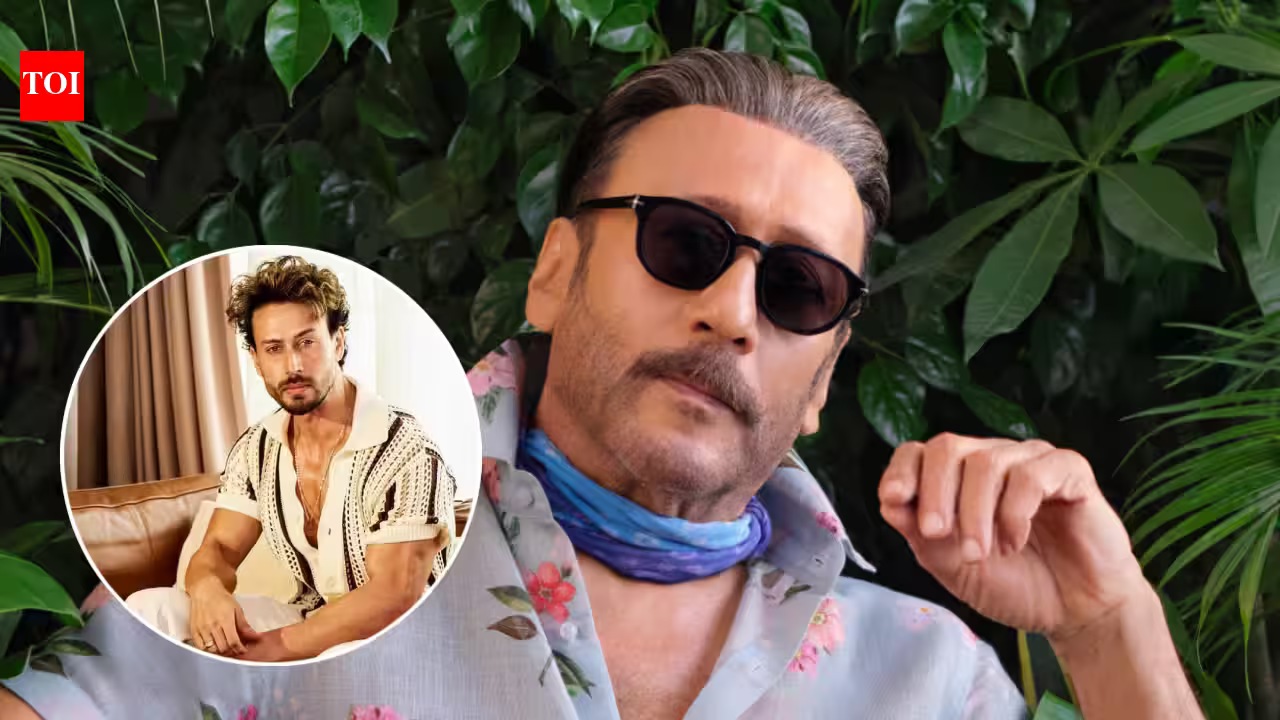









The flickering neon lights of Mumbai’s film industry have long been synonymous with glamour, high-stakes box office gambles, and the undeniable magnetism of its biggest stars. But in recent months, the atmosphere in the city’s affluent suburbs has shifted from celebratory to deeply chilling. What was once a world of red carpets and fan frenzies has been infiltrated by the brutal reality of organized crime, as the Lawrence Bishnoi gang continues its relentless campaign of terror against Bollywood’s elite.
The latest, most alarming escalation occurred this past Sunday in Juhu—the very heartbeat of Hindi cinema’s power corridor. A vehicle belonging to action star Tiger Shroff was targeted in a brazen daylight shooting, an act that has sent shockwaves through the industry. With bullets fired and a driver reportedly injured, the incident serves as a grim reminder that for some of India’s most recognizable faces, the perceived safety of high-walled compounds and security details is no longer a given.
## The Targeting of Tiger Shroff: A Warning Shot
The attack on Tiger Shroff was not merely an isolated act of violence; it was a targeted tactical maneuver. According to reports, three assailants on motorcycles intercepted the vehicle, firing shots before fleeing the scene. While the actor miraculously emerged physically unscathed, the injury to his driver marks a bloody new chapter in the Bishnoi group’s ongoing hostility toward the film fraternity.
Shortly after the chaos in Juhu, the motive was made crystal clear. In a chilling post attributed to group representatives Anil Pandit and Harman Sandhu, the gang claimed direct responsibility. The message was cold and calculated: they had allegedly attempted to reach out to the actor previously, and this violence was their way of ensuring “he understood.” More ominous, however, was the group’s broader declaration of war against anyone associated with Salman Khan, warning the industry to “wait and watch.”
## The Bishnoi Ultimatum to Salman Khan
At the center of this gathering storm remains Salman Khan. The superstar, whose residence at Galaxy Apartments in Bandra was the site of a similar firing incident back in April 2024, is now being subjected to a relentless psychological and physical siege. The Bishnoi gang’s agenda has moved beyond simple extortion; it has become deeply personal and, in their words, ideological.
Mumbai’s crime branch recently intercepted an audio recording that exposes the depth of this vendetta. In the recording, Anil Pandit issues a direct ultimatum: Salman must offer a public apology to Lawrence Bishnoi and the Bishnoi community—a demand rooted in the long-standing legal case regarding the blackbuck hunting incident from years ago. The language used in the recording is nothing short of harrowing. The gang has threatened not only the actor’s personal safety but the lives of those closest to him, vowing to “destroy his entire family.” The message is a direct challenge to the state’s security apparatus, telling Khan, “Don’t think that you are in security and nothing will happen to you.”
## A Climate of Fear in Mumbai’s Film Circles
The brazenness of these attacks has shattered the illusion of security that typically envelops Bollywood’s inner circle. For decades, stars were treated as untouchable, shielded by public adoration and private security firms. Today, that hierarchy has been inverted. By targeting a younger, action-oriented star like Tiger Shroff—someone who, until now, was not explicitly linked to the core of this specific conflict—the Bishnoi gang is signaling that no one is immune.
Industry insiders are now speaking in hushed tones, concerned about the potential for further spillover. There is a palpable sense of unease at film sets and production offices. If the most protected individuals in the country can be targeted in the bustling streets of Juhu or outside their own front doors, the threshold for who is “safe” has effectively disappeared. The question circulating through the corridors of Yash Raj Films and beyond is simple: who is next, and how can the industry continue to operate under such a cloud of intimidation?
## State Response and the Escalating Crisis
The Maharashtra government, clearly cognizant of the existential threat this poses to the morale of the film industry, has reacted with urgency. Chief Minister Devendra Fadnavis has personally directed the Police Commissioner to prioritize the investigation, demanding immediate and “strict action” against the perpetrators. The state understands that failing to curb this wave of violence would not only be a law-and-order failure but a massive blow to the image of Mumbai as a safe hub for global entertainment.
However, the nature of the Bishnoi gang—which often operates through fragmented cells and relies on global communication networks—makes policing a complex challenge. The gang’s own bravado, evidenced by their warning to rival groups not to use their name for “fame,” suggests a criminal organization that is highly disciplined, branding-conscious, and emboldened by its own notoriety.
As the police hunt for the three gunmen involved in the Juhu incident, the reality for Bollywood is far from over. The conflict has evolved from a local grievance to a high-profile standoff between the state and a militant underworld. For Salman Khan and his contemporaries, the luxury of their lifestyle has been replaced by the grim reality of living in the crosshairs. As the industry watches and waits, one thing remains certain: the line between the silver screen’s high-octane action and the streets of Mumbai has never felt thinner, or more dangerous. Whether the authorities can restore order before another headline-grabbing tragedy strikes remains the most pressing question in Indian entertainment today.
Disclaimer: This content is auto-generated for informational purposes only.
Source: Read Original News