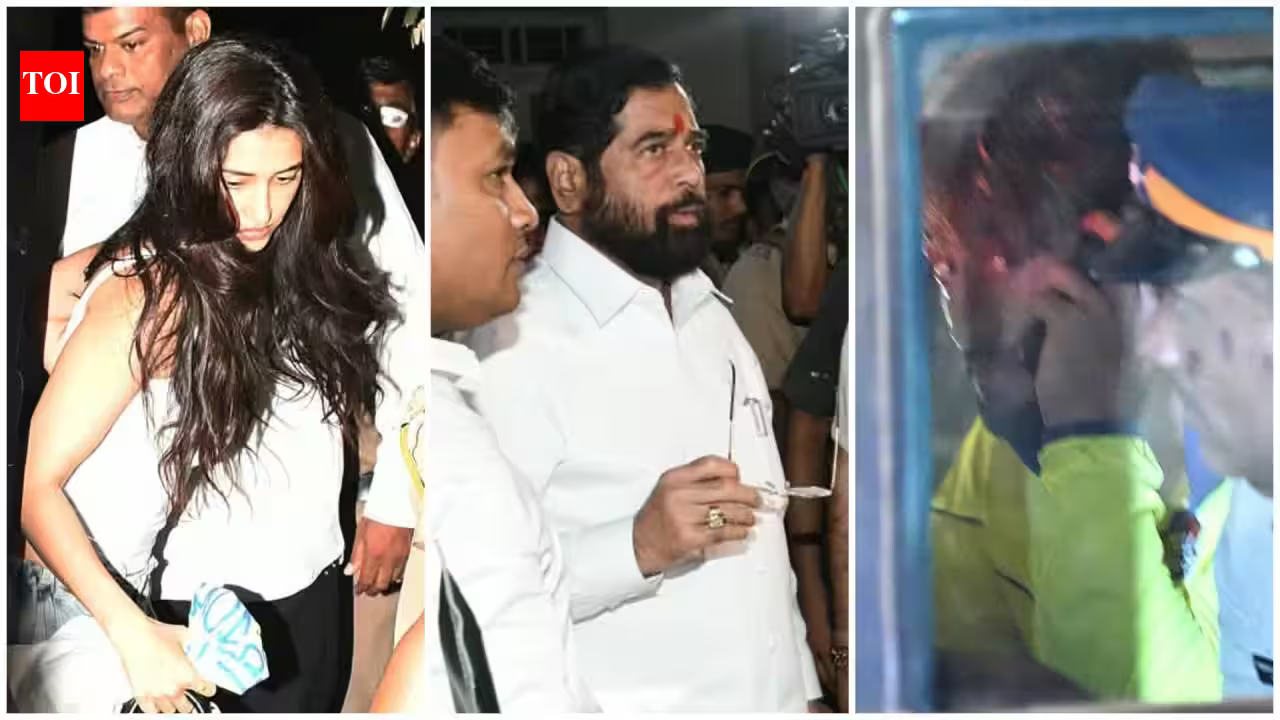








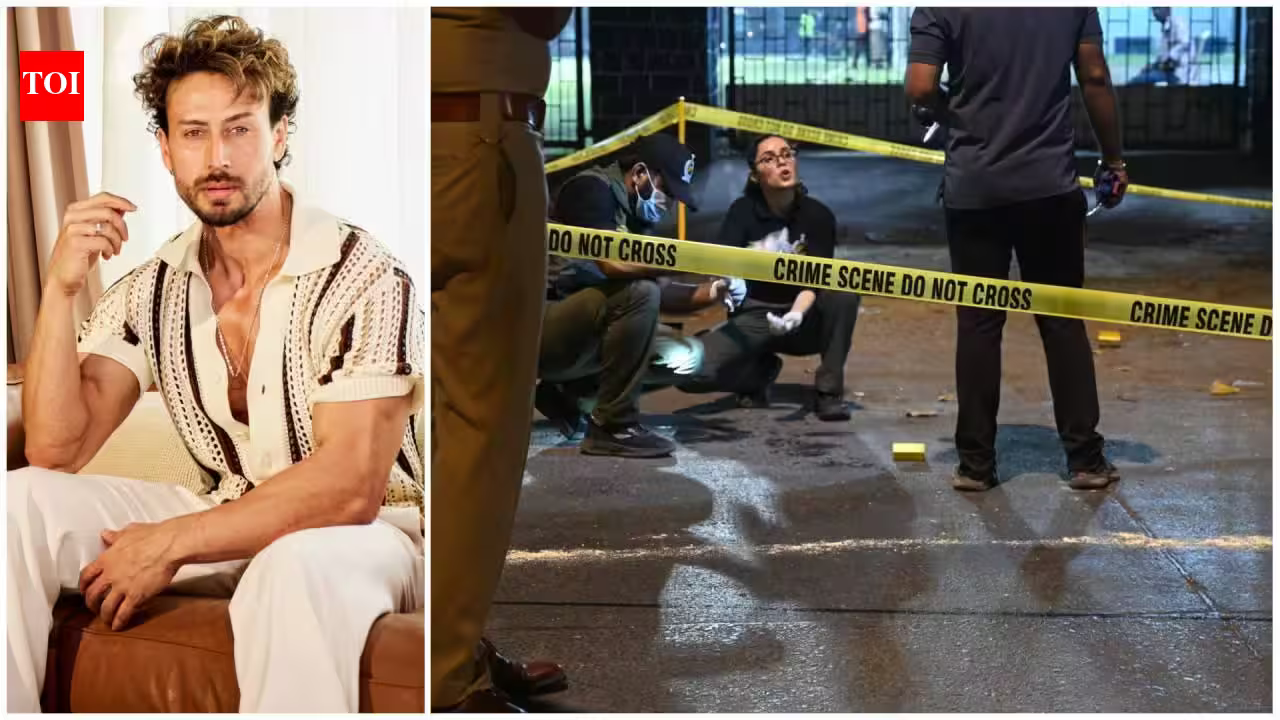
The glitz and glamour of Mumbai’s film industry have been unceremoniously punctured by the sharp, terrifying crack of gunfire. Once again, the city’s heart—the bustling, high-profile neighborhood of Juhu—has become the stage for a violent display of lawlessness. This time, the target was none other than action star Tiger Shroff. As he exited a private event this past Sunday evening, the tranquil veneer of celebrity life in Mumbai evaporated, replaced by the grim reality of a targeted attack that left two individuals injured and an entire industry reeling in a state of collective trauma.
For many, the scene felt hauntingly familiar. It was a visceral reminder of a dark chapter in Mumbai’s history, one that many hoped had been firmly relegated to the history books: the underworld-dominated 1990s. With the All Indian Cine Workers Association (AICWA) now sounding the alarm, the question on everyone’s lips is no longer just about the safety of a single star—it is about the very stability of law and order in India’s entertainment capital.
## A City Held Hostage by Fear
The incident involving Tiger Shroff was not an isolated aberration; it was the latest in a mounting pile of evidence suggesting that Bollywood is being systematically targeted. From the unsettling shots fired outside Salman Khan’s Galaxy Apartments to the security scares involving Rohit Shetty and the persistent, harassment-led attacks on Kapil Sharma’s cafe, the pattern is unmistakable.
The AICWA has wasted no time in articulating what many in the industry have been whispering behind closed doors: a deliberate atmosphere of terror is being cultivated. By targeting high-profile figures, these criminal elements are not just looking for headlines; they are signaling a return to an era where extortion and intimidation were the tools of the trade. The association’s pointed inquiry—”Today it is Tiger Shroff. Who is next?”—resonates as a chilling indictment of a security apparatus that appears increasingly unable to curb the audacity of these syndicates. When a star of Shroff’s stature can be ambushed in a high-security zone, the psychological fallout for the general public is profound.
## The Mirage of Mumbai’s Safety
The AICWA’s statement hit a nerve by highlighting the disparity between the reality of life on the streets and the assurances provided by the authorities. They argue that the safety of the common citizen is intrinsically linked to the safety of the city’s most visible icons. If the government cannot secure the perimeter of a film event in Juhu, what hope is there for the ordinary Mumbaikar navigating the city’s sprawl?
The association is calling for a departure from hollow rhetoric. They emphasize that in the face of escalating violence, press releases and promises of “thorough investigations” are woefully inadequate. The demand is for “real protection”—a concrete, proactive strategy that dismantles the networks of extortion rather than simply responding to the blood-stained aftermath of the latest headline-grabbing incident. The memory of the 90s, characterized by the shadow of the underworld, is not just a metaphor here; for the industry, it is a looming, existential threat that they are desperate to avoid reliving.
## The Anatomy of the Attack
According to Deputy Commissioner of Police Mohit Garg, the incident occurred around 7:00 pm, as Shroff was departing the venue. While the star himself remained unharmed, the violence still found its victims. His driver, identified as Firdaus, sustained a hand injury, while another individual, Mr. Chauhan, required medical treatment.
Though the police have moved with speed—deploying multiple teams and forensic units to the site—the silence surrounding the identity and motive of the perpetrators is deafening. In the absence of official leads, speculation is running rampant. Is this the work of a localized extortion ring, or has a larger, more sophisticated criminal syndicate once again set its sights on the wealth and influence of Bollywood? The lack of immediate answers from law enforcement only feeds the anxiety that the AICWA is currently trying to channel into political action.
## A Call for Accountability
The AICWA’s demands are clear and uncompromising. They have pinned their hopes on the intervention of Maharashtra Chief Minister Devendra Fadnavis, insisting that the state must take the reins of this crisis before it spirals further. Their list of requirements is extensive: the immediate apprehension of the shooters, the identification of the masterminds ordering these hits, and a complete overhaul of the security architecture surrounding film personalities.
But beyond the immediate arrests, there is a demand for a restoration of confidence. The industry is effectively putting the government on notice: Bollywood will not operate under a shadow of fear. If the state cannot guarantee a secure working environment, the association warns that the industry’s output and morale will suffer, potentially triggering a broader economic impact on the city.
## The Path Forward: Can Mumbai Reclaim Its Streets?
As the forensic teams pack up their equipment and the initial shock of the Juhu shooting begins to settle into a cold, hard anger, the pressure on the Mumbai Police to deliver results has never been higher. The incident has effectively transformed from a crime story into a political litmus test for the administration.
Can the city pull back from the brink of this “underworld revival”? The path forward requires more than just increased police presence; it requires a systemic dismantling of the extortion networks that seem to view the film industry as an open target. Until the perpetrators of the Tiger Shroff attack are brought to justice, the industry will continue to look over its shoulder. For now, the lights of Mumbai’s film studios burn a little dimmer, dimmed by the realization that in the current climate, even the biggest stars are vulnerable to the reach of those who operate in the dark.
The industry remains on high alert, and as the AICWA has rightly pointed out, it is not just the stars who are watching—all of Mumbai is waiting to see if the law is still the final word, or if the city is truly reverting to a time that everyone hoped was long buried in the past.
Disclaimer: This content is auto-generated for informational purposes only.
Source: Read Original News