






The Rise of Digital Communication Fails in Modern Dating
The landscape of modern romance has undergone a seismic shift as dating applications move to the forefront of human interaction. While these platforms provide massive pools of potential connections, they have simultaneously exposed a widening gap in interpersonal communication standards. Recent data shared by users across various social platforms indicates a pattern of behavior characterized by disconnects in social awareness, unrealistic expectations, and a breakdown in basic etiquette. From profile errors to aggressive messaging, the digital interface appears to exacerbate human tendencies that would likely remain dormant in traditional, face-to-face social settings.
This phenomenon highlights a significant challenge for developers and users alike: how to maintain genuine connection in an environment that often reduces individuals to static profiles and short-text bursts. The absence of non-verbal cues—such as body language, tone of voice, and immediate social feedback—often leads to interactions that are misaligned with social norms.
Technical Discrepancies and User Interface Challenges
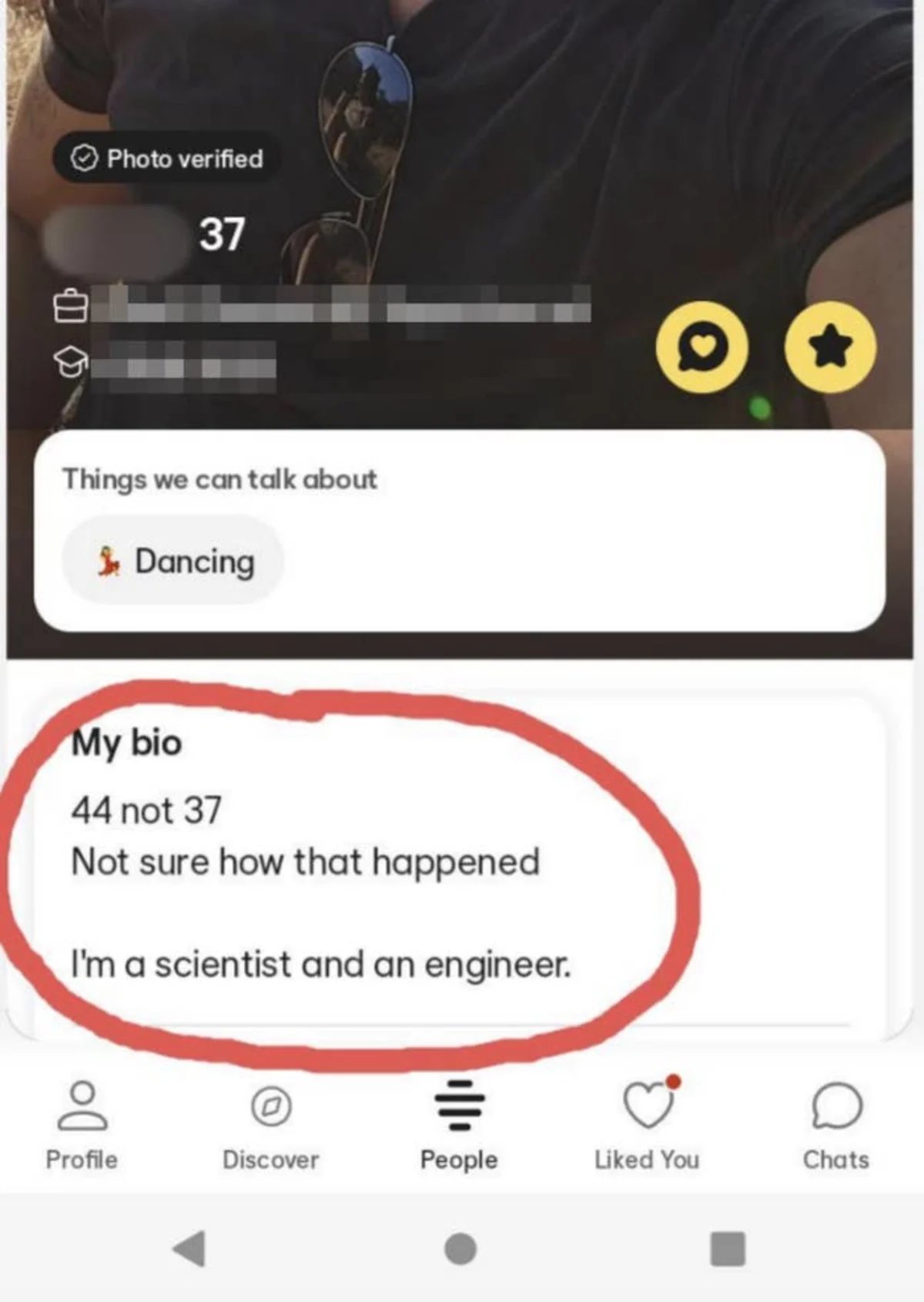
A recurring theme in recent user reports involves basic profile management failures. Instances such as incorrect age listing—even when the biography itself claims a different, accurate age—point toward a lack of attention to detail or systemic confusion within account setup processes. For the platforms themselves, this presents a user experience problem. Features designed for ease of use, like automated profile population or simplified editing, may inadvertently allow users to maintain contradictory information.
Furthermore, the design of these apps often encourages rapid swiping, which may contribute to the commodification of interactions. When a user treats a potential date as a transaction—asking what they will “get” out of a meeting, for example—it signals a mismatch between the platform’s intended purpose and the user’s objectives. This transactional mindset often clashes with the interpersonal nature of dating, leading to friction and immediate termination of contact.
The Impact of Anonymity on Social Etiquette
Perhaps the most significant factor contributing to these communication failures is the buffer provided by digital anonymity. When individuals interact through a screen rather than in person, the social pressure to maintain polite or respectful behavior is significantly lowered. This manifests in several ways, including the use of insults as flirting techniques, unsolicited and overly sexualized opening messages, and a dismissive attitude toward the safety concerns of others.
The “alpha male” discourse or the demand for a “tradwife” in dating biographies serves as a stark example of how users leverage platform bios to filter for specific archetypes. While these filter mechanisms are theoretically intended to save time, they often result in highly polarizing content that alienates a broad segment of the user base. The technical capability to broadcast specific, niche, or controversial preferences at scale effectively changes the nature of the conversation from a two-way discovery to a one-way demand.
Communication Fatigue and the “Copy-Paste” Culture
As the number of active users on these platforms grows, so does the prevalence of communication fatigue. Many users report receiving standardized or “copy-paste” messages that suggest a lack of individual interest. When a user admits to sending the same message to dozens of people, they are essentially optimizing for conversion rates rather than connection. While this might be an efficient strategy for those seeking a high volume of matches, it is often received as dehumanizing by the recipient.
This cycle of low-effort messaging, followed by frustration when results are poor, creates a feedback loop that leads to the types of hostile or cynical exchanges seen in recent viral screenshots. When one user asks a conversational question, and the other responds with a singular emoji or a dismissive phrase, it illustrates the exhaustion often associated with high-frequency, low-quality digital interactions.
Future Outlook: Improving the Digital Dating Experience
As the industry matures, the challenge remains for developers to implement features that foster better behavioral standards. Some platforms have begun incorporating verification steps, AI-driven moderation for abusive language, and prompts that encourage more substantive conversation starters. Despite these efforts, the human element—the intent and emotional intelligence of the user—remains the variable that technology can only partially influence.
The trend of highlighting these “worst-case” interactions through social media serves as a mirror for the current state of digital dating. It suggests that while the technology is functioning as intended—facilitating matches between thousands of people—the societal integration of this technology is still in a state of adjustment. Users are increasingly identifying these patterns, creating a growing demand for platforms that prioritize authentic human engagement over the gamification of the dating process. As companies continue to iterate on their algorithms and safety protocols, the success of these apps may ultimately depend on their ability to move past the era of “unhinged” messaging and toward an environment that emphasizes mutual respect.
Disclaimer: This content is auto-generated for informational purposes only.
Source: Read Original News