








Supreme Court Intervenes Amid Voter List Dispute and Capital Unrest
New Delhi is currently gripped by political tension following allegations that the massive decennial revision of India’s electoral rolls has resulted in the systematic disenfranchisement of eligible voters. The Supreme Court of India intervened in the controversy on October 15, directing the Election Commission of India (ECI) to formally respond to petitions questioning the transparency and fairness of the current voter registration process.
The legal challenge comes at a time of heightened volatility, with opposition factions demanding the immediate resignation of Chief Election Commissioner Gyanesh Kumar. Critics argue that the current methodology for updating voter lists—a procedure typically undertaken every two decades—is being weaponized to diminish the electoral influence of opposition strongholds. While the ECI maintains that the exercise is a routine administrative necessity, the mounting public outcry has been fueled by reports, including investigations by the Indian Express, suggesting that internal dissent within the commission was ignored during the planning phases of the audit.
Unrest in the Capital
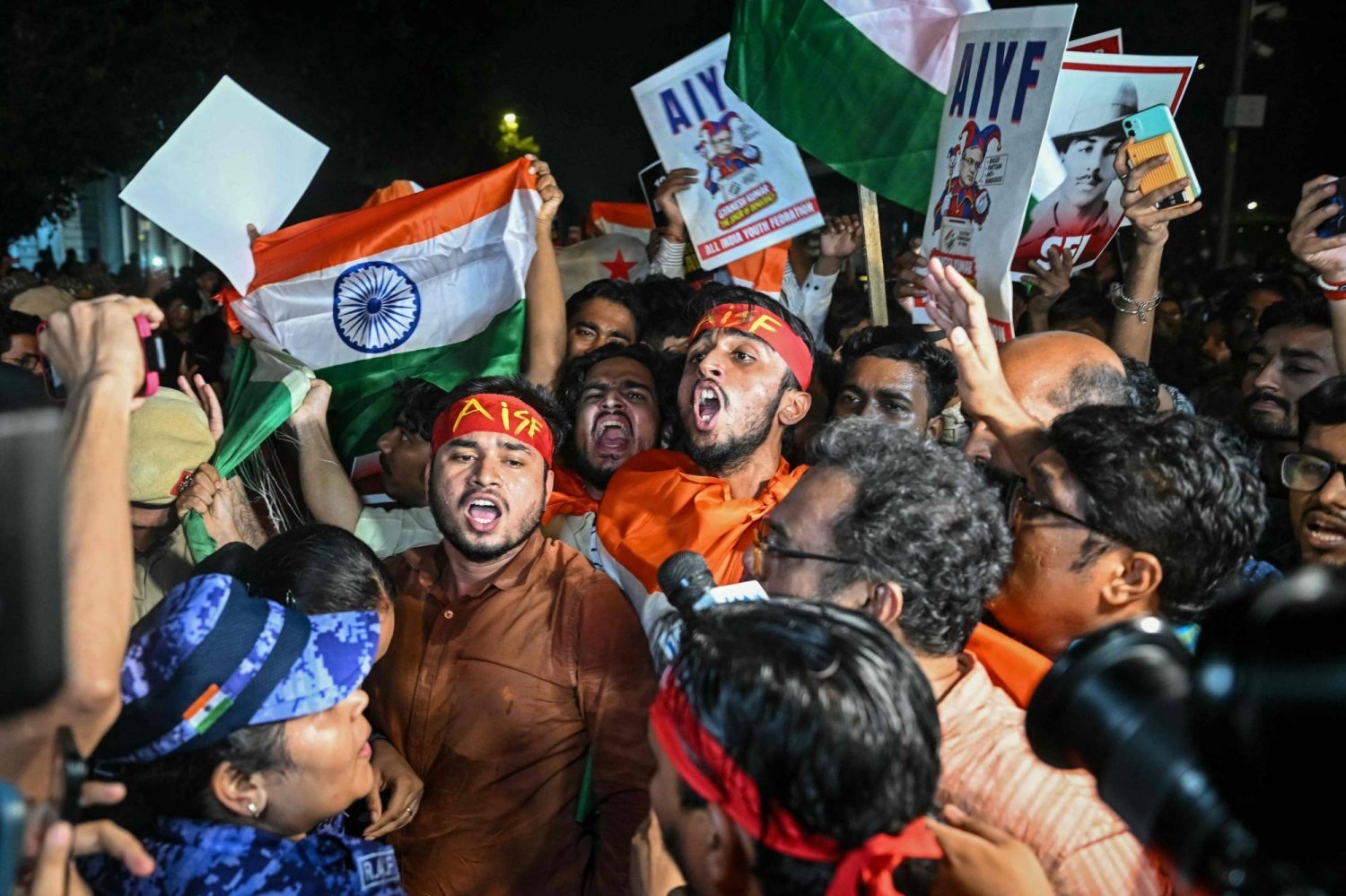
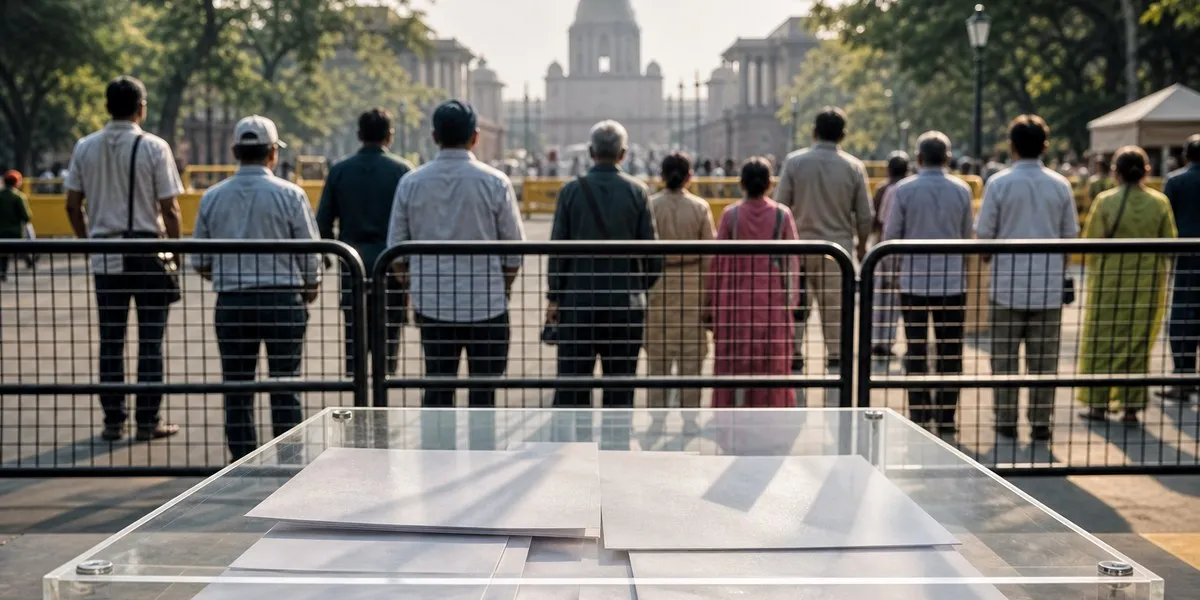
The political friction has manifested on the streets of New Delhi, where the capital has been under a state of heightened security for over a week. Following a wave of demonstrations organized by the Cockroach Janta Party (CJP), authorities initiated a series of mass detentions. Security cordons and barricades remain a common sight near major commercial hubs, as the government seeks to manage the fallout from the protests.
Abhijit Dipke, the founder of the CJP, addressed the media via the news agency ANI, characterizing the arrest of key party figures as a calculated move to intimidate political dissenters. “We will not be intimidated and we will not back down,” Dipke stated, signaling a potential for further escalation if the demands for electoral transparency remain unaddressed.
Government Defends Process Amid Procedural U-Turn
The ruling Bharatiya Janata Party (BJP) has steadfastly defended the ECI, framing the opposition’s narrative as a manufactured controversy. Defense Minister Rajnath Singh strongly criticized the demonstrators, accusing them of exploiting the country’s youth to promote what he termed the “politics of chaos.” According to government officials, the audit is essential for maintaining the integrity of the democratic process, specifically citing the need to purge the rolls of deceased individuals, duplicate entries, and ineligible residents.
Despite the firm stance of the ruling party, the ECI has begun to concede to some pressure. In a bid to alleviate concerns regarding transparency, the commission recently announced several procedural reforms. These changes include the publication of official meeting minutes, a more lenient approach toward voter identity verification, and the establishment of a specialized task force to oversee the software used for registration.
Furthermore, the ECI has extended the deadlines for citizens in Delhi and Maharashtra to file appeals against exclusions. These measures are designed to provide a pathway for those previously dropped from the registers to regain their voting rights. While the Supreme Court has allowed the revision process to proceed for now, the scrutiny remains intense. As the legal battle continues, the ECI faces the dual challenge of fulfilling its administrative mandate while struggling to maintain public confidence in the electoral system that defines the world’s largest democracy.
Disclaimer: This content is auto-generated for informational purposes only.
Source: Read Original News