








Election Commission Under Fire: Opposition Demands Resignation of Gyanesh Kumar Amid Voter Roll Controversy
Political tensions in New Delhi have escalated sharply as opposition parties launch a concerted campaign calling for the immediate resignation of Chief Election Commissioner (CEC) Gyanesh Kumar. The demand follows a firestorm of controversy surrounding the decennial update of India’s electoral rolls, with critics alleging that the process is being weaponized to disenfranchise millions of voters sympathetic to anti-government factions.
This development marks a significant escalation in the ongoing friction between the Narendra Modi-led administration and its political rivals. While the government previously managed to diffuse public unrest in July by accepting the resignation of the education minister—a move that effectively neutralized student-led protests linked to the Cockroach Janta Party (CJP)—observers suggest that the administration now finds itself in a far more precarious position.
A Fractured Commission
The legitimacy of the current electoral roll update has been thrown into doubt following an investigative report published by the Indian Express last month. The report alleges that Chief Election Commissioner Gyanesh Kumar bypassed internal dissent, specifically ignoring formal objections raised by his two fellow commissioners regarding the methodology and transparency of the roll revision.
These revelations have provided opposition leaders with ammunition to argue that the Election Commission (EC) is no longer acting as an impartial arbiter. By allegedly disregarding the concerns of his colleagues, Kumar has become the primary target of a coalition of opposition parties who claim that the update is not a routine administrative exercise, but a strategic purge designed to weaken their electoral base.
The Mounting Pressure
For the Modi administration, the current crisis presents a distinct tactical challenge. In the previous instance involving the education minister, the government was able to frame the resignation as a corrective measure to restore calm. However, the constitutional nature of the Election Commission makes such a maneuver significantly more complex. Replacing the head of the EC under pressure could be perceived as a sign of weakness or, conversely, an admission of institutional failure.
“The integrity of our electoral process is the cornerstone of our democracy,” a spokesperson for the opposition coalition stated during a press conference on Tuesday. “When the CEC operates in a vacuum, ignoring the counsel of his own office, it erodes the public’s faith in the entire system. We cannot hold elections while millions of voices are being silenced by an arbitrary administrative process.”
The Road Ahead
As of now, the government has maintained a cautious silence regarding the allegations, and Kumar has not publicly addressed the specific claims regarding the dissent within the commission. The Indian Express report, while identifying procedural friction, has not yet presented definitive evidence of partisan intent behind the voter purging. Nevertheless, the political optics have created a narrative that is difficult to ignore.
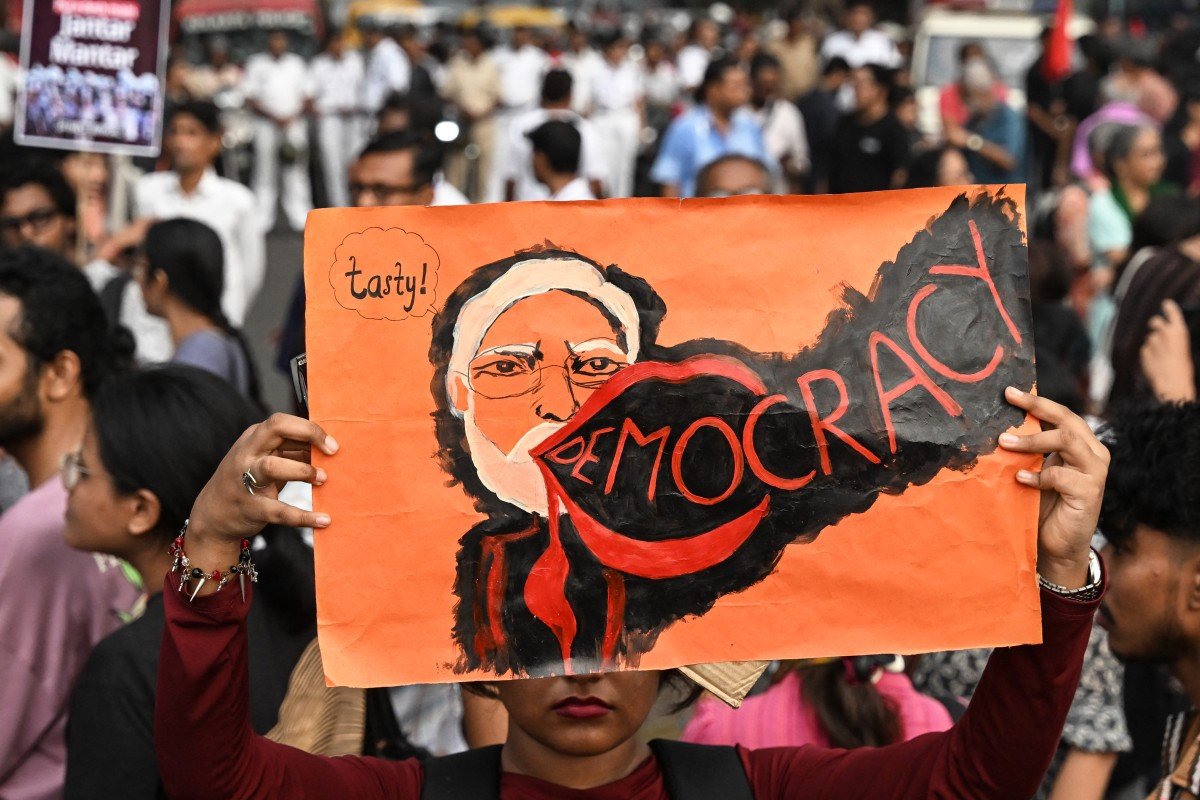
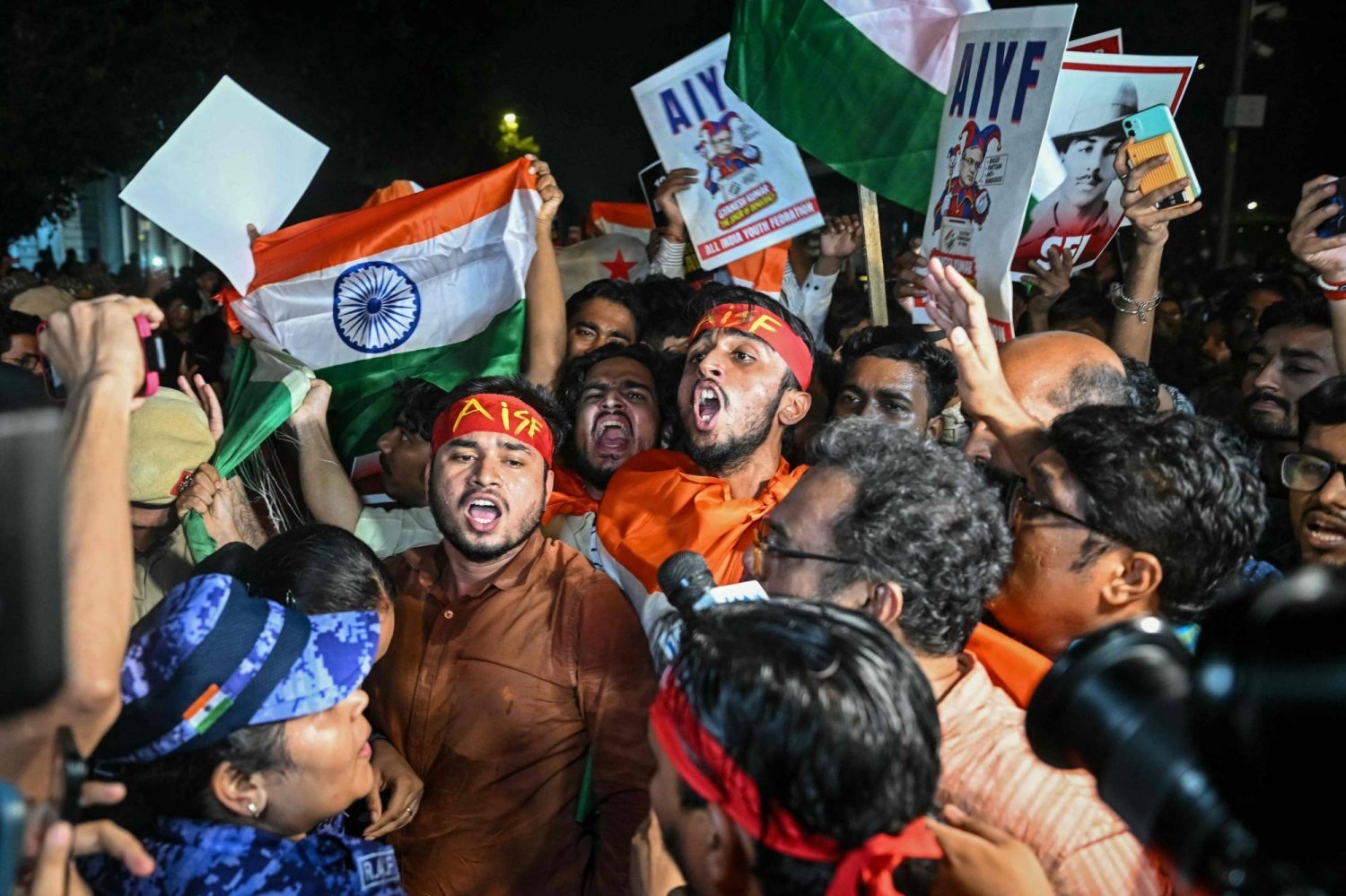
As protests begin to simmer in urban centers, the administration is facing mounting calls to launch an independent inquiry into the electoral roll update. Whether the government will attempt to weather the storm or move to replace the leadership remains an open question. What is clear, however, is that for Prime Minister Modi, the ease with which he resolved the summer’s administrative crises is no longer a luxury he possesses. The battle over the electoral rolls has transformed from a bureaucratic dispute into a high-stakes test of India’s institutional independence.
Disclaimer: This content is auto-generated for informational purposes only.
Source: Read Original News