







The Cockroach Rebellion: Why India’s Youth Are Challenging the Digital Iron Curtain
The digital landscape in India has witnessed a chilling development this week, as writer Amitava Kumar was forced to disseminate his latest essay as plain text after finding his Substack link blocked across the nation. For observers in neighboring countries, this digital erasure is a hauntingly familiar tactic—a routine maneuver of censorship that transforms connectivity into a privilege dispensed or revoked by the state.
From Medical Exams to Digital Resistance
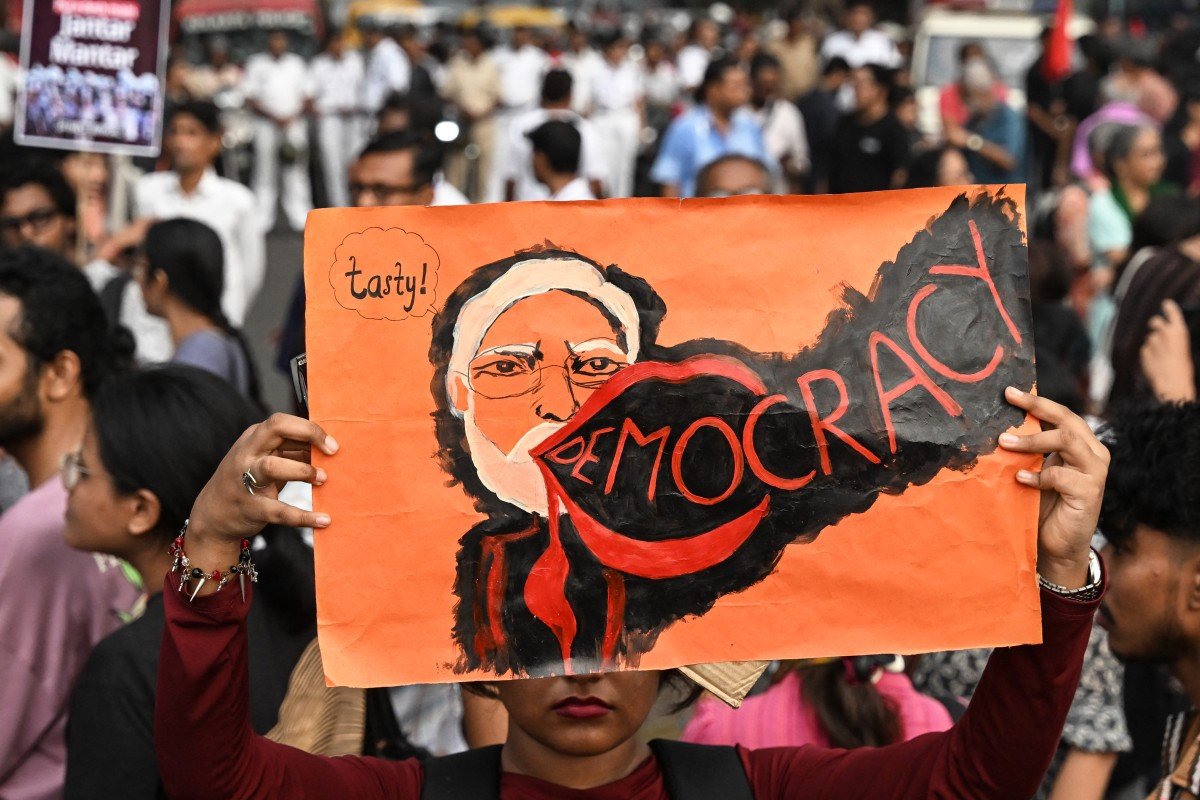
The catalyst for this latest unrest is the “Cockroach Janta Party” (CJP), a youth movement born from the ashes of frustration over a leaked medical entrance examination. What began as a satirical jab at government incompetence has morphed into a formidable political headache. Thousands of young Indians, self-identifying as “cockroaches”—resilient, uncrushable, and omnipresent—have occupied the streets, particularly at Delhi’s Jantar Mantar.
Their grievances have since expanded to include a controversial revision of voter rolls, which critics allege has disenfranchised millions. The government’s reaction was immediate and heavy-handed: mass detentions of protesters and journalists, the arrest of CJP leaders, and the systematic severing of mobile and internet services across the capital. While mainstream television channels largely ignored the unfolding chaos, the cracks in the state’s narrative were visible to anyone looking beyond the traditional airwaves.
The Weaponization of Humor
What makes the CJP movement distinct is its tactical use of irony. In a sociopolitical climate where dissent is often met with state-sanctioned solemnity, the “cockroaches” choose to laugh. They have turned their derogatory label into a badge of defiance. Reports from the protest site depict an atmosphere where crowds mock facial recognition technology with laughter and treat police barricades as props for comedic relief.
This strategy serves a dual purpose: it lowers the threshold for participation and creates a defensive shield that is notoriously difficult for authorities to dismantle. When the law becomes a weapon against the citizen, absurdity becomes the only logical response. Much like the underground satire movements of the past, this generation has realized that a well-timed meme can penetrate the consciousness of a nation more effectively than a formal protest speech.
A Regional Trend of Suppression
The tactics employed by the Indian state—internet blackouts, media silencing, and the intimidation of independent digital journalists—are not isolated incidents. They represent a broader, worrying trend across South Asia where governments appear increasingly comfortable with a “shut-down-first” approach to civil unrest. Whether it is the blocking of social media platforms or the strategic silencing of dissenting voices, the playbook seems to have been standardized across the region.
The irony, however, is particularly sharp in India. For decades, the nation has projected itself as the world’s largest democracy, a beacon of liberal values in a complex geopolitical neighborhood. The sight of Jantar Mantar being cordoned off by barricades and silenced by digital isolationism clashes violently with that self-image.
As the CJP continues its struggle, the question remains whether humor alone can sustain a movement against a state that commands immense resources and a long memory. The youth of India have provided a flicker of hope, proving that they can outpace the government’s efforts to suppress them. Yet, as the internet goes dark and the news cycles are scrubbed clean, the ultimate test for this movement will be its ability to translate that digital laughter into tangible political change. For now, the “cockroaches” are holding the line, reminding a watching world that while states may control the wires, they struggle to contain the spirit.
Disclaimer: This content is auto-generated for informational purposes only.
Source: Read Original News