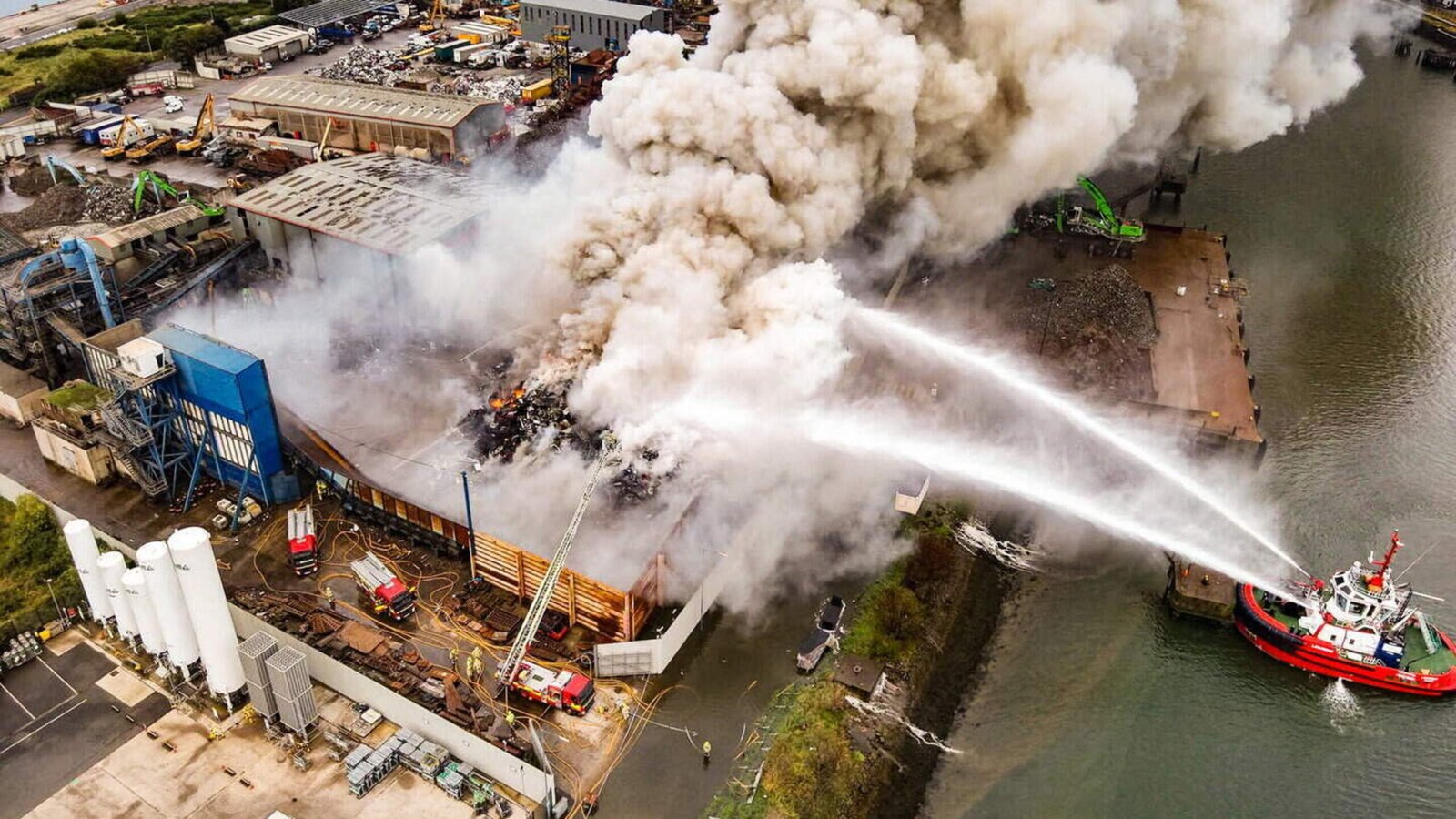








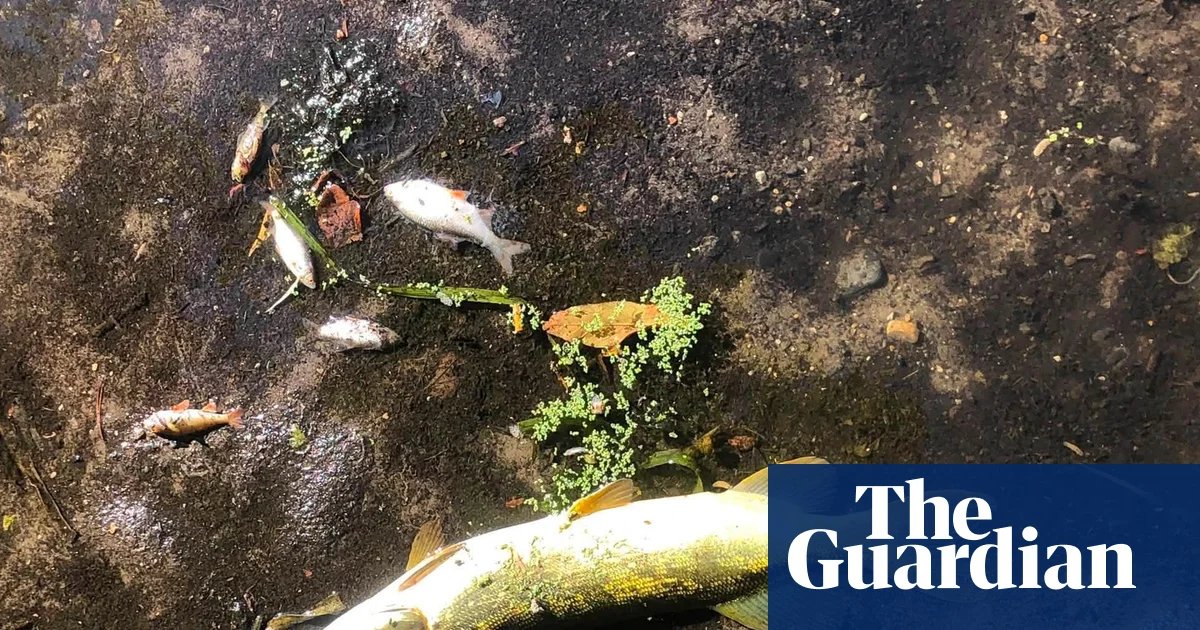
The smell of decay in Norwich this past August served as a grim microcosm of a global crisis. Along the River Wensum, more than 3,000 fish—pike, roach, carp, and rudd—were found dead, gasping for air in water depleted of oxygen. Investigators pointed to a toxic combination: heatwave-induced stress exacerbated by heavy rainfall, which flushed concentrated pollution into the 45-mile chalk river.
The Wensum is one of only 250 chalk rivers on Earth, a unique geological formation that provides vital habitats for species like otters and stoneflies, as well as drinking water for millions. Despite its formal legal protection, the river remains in poor ecological health, symptomatic of a wider systemic failure to safeguard the natural world.
This decay persists despite a watershed moment in global environmental politics. At the end of 2022, nearly every government on Earth signed the Montreal biodiversity agreement, a landmark deal intended to halt and reverse the catastrophic loss of nature by 2030. The targets were ambitious: protect 30% of the planet, restore a third of degraded ecosystems, and redirect $500bn annually away from environmentally harmful subsidies.
Four years later, as international delegates gather in Yerevan, Armenia, for Cop17, the reality is stark. Governments are on track to miss almost every target set in Montreal. Since the inception of the UN biodiversity convention in 1992, the world has yet to meet a single global nature target.
The UK, which positioned itself as a champion for the Montreal agreement, is currently on course to meet only three of the 23 established goals. UN secretary general António Guterres has issued a stinging indictment of this lethargy, warning that “the war on nature has not ended” and emphasizing that good intentions are no substitute for policy. “Subsidising fossil fuels is subsidising suicide,” Guterres remarked on the eve of the summit, urging leaders to pivot financial resources toward planetary restoration.
The gap between rhetoric and action is widening. While the current UK administration has pledged support for nature recovery, conservationists point to a pattern of policy regression: weakened biodiversity planning rules, funding cuts for tropical rainforest protection, and a refusal to ban destructive bottom trawling in marine protected areas. Craig Bennett, head of The Wildlife Trusts, characterized the UK’s international posturing while failing to deliver at home as “a form of neocolonialism.”
Global politics has further complicated progress. Nature protection has become a flashpoint for populist culture wars, as seen in the Netherlands, where nitrogen reduction policies triggered widespread farmer protests. Similar resistance stalled and eventually watered down the EU’s flagship Nature Restoration Law. Meanwhile, shifts in US leadership have caused volatility, with sudden cuts to international aid agencies effectively evaporating support for hundreds of conservation projects worldwide, from the Galápagos to Mozambique.
Despite the gloom, there are glimmers of success. Several nations have made significant strides toward the “30×30” land protection target, and initiatives such as Kazakhstan’s rewilding of the Caspian tiger demonstrate what is possible with political will. However, these localized victories are currently outweighed by the overwhelming pace of biodiversity decline.
As negotiators settle in for Cop17, the message from the scientific community is unequivocal. Ecological collapse is no longer just an environmental concern; intelligence agencies have identified it as a critical national security risk, threatening food systems and economic stability. As Li Shuo of the Asia Society Policy Institute noted, the “easy part” of making commitments is over. The coming days in Armenia will test whether nations can finally translate those promises into the domestic legislative action required to survive the very crisis they helped create.
Disclaimer: This content is auto-generated for informational purposes only.
Source: Read Original News