








The desert heat of Palm Springs has long whispered secrets of Old Hollywood, but few properties carry a pedigree as whispered and whimsical as the residence affectionately dubbed the “Marilyn Monroe Doll House.” After years of changing hands and shifting narratives, the mid-century gem has finally found a steward who promises to honor its cinematic past: local designer Violet Moran. In a high-stakes transaction that closed at $2.81 million, Moran has secured the keys to one of the most storied addresses in the Coachella Valley, with big plans to turn back the clock.
## A Legacy Wrapped in Velvet and Stardust
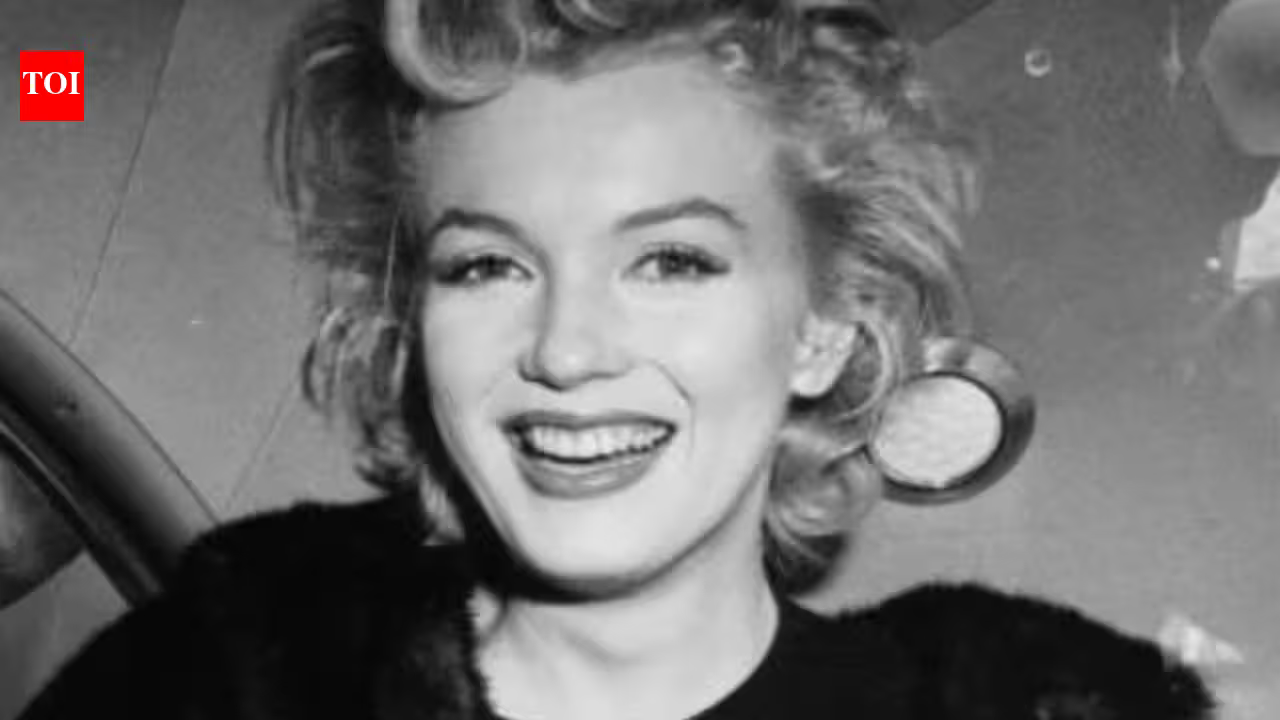
To understand the gravity of this purchase, one must look past the square footage and into the aura of the home. While record books clarify that Marilyn Monroe never actually held the deed to the property, the “Doll House” moniker wasn’t born out of thin air. In the swinging 1960s, the residence served as a sanctuary for the icon. It was a place where the platinum-blonde screen siren could shed the pressures of fame, retreating to the desert to host friends and escape the relentless glare of the Los Angeles flashbulbs.
The house became synonymous with her presence—a space that felt tailored to her specific, delicate brand of glamour. Now, under the ownership of Moran, the property is shedding the wear of the decades. The sale, which saw the price fluctuate from an initial listing of $2.8 million to a brief peak of $3.3 million before settling at $2.81 million, marks a final departure from its previous owner, production studio executive Nick Adler. For Moran, the acquisition is less about real estate speculation and more about preservation.
## Architectural Purity in the Desert
Designed in 1961 by the acclaimed Desert Modernist architect Charles Du Bois and brought to life by the Alexander Construction Company, the home is a quintessential time capsule of 1960s architecture. At 3,000 square feet, the layout balances grand entertainment spaces with the intimacy required by a “Doll House.”
What makes this property a goldmine for design enthusiasts is its refusal to succumb to the “modern-gray” renovation trend that has sanitized so many mid-century homes. The bathrooms, for instance, are marvels of the era: they retain their original vintage tiling and vanity sets in signature shades of pink, yellow, and blue. These aren’t just remnants of an old home; they are artistic artifacts. The semicircular entertaining bar, a centerpiece that has likely witnessed countless clandestine conversations between Hollywood’s elite, remains a defiant focal point of the living area.
## Restoring the ‘Doll House’ Vibe
Violet Moran isn’t approaching this as a bulldozer-happy developer. Her vision, by all accounts, is one of restorative conservation. The plan is to peel back the layers of subsequent renovations to reveal the foundational brilliance Du Bois intended.
The house features classic hallmarks of the period: soaring vaulted ceilings, a cozy living room fireplace that anchors the space, and expansive sliding glass doors that dissolve the barrier between the indoors and the rugged beauty of the San Jacinto Mountains. Outside, the property boasts a private pool and fire pit area that feels just as cinematic today as it did when Monroe lounged there six decades ago. By preserving these elements, Moran is ensuring that the “Marilyn” spirit—characterized by a blend of vulnerability and undeniable star power—remains baked into the walls of the house.
## A Prime-Time Transformation
The restoration process is set to become a cultural moment in its own right. Sources confirm that HGTV has secured the rights to film an invite-only housewarming event at the property once the restoration is complete. This adds a layer of prestige to the project, positioning the “Doll House” as a future star of the home-renovation television canon.
For fans of architecture and cinema history, this is the best-case scenario. Too often, homes with such rich associations are snapped up by buyers who view history as an inconvenience to be cleared away for an open-concept floor plan. By bringing in a designer who genuinely respects the provenance of the structure, the community—and the history books—can rest easy knowing that the “Doll House” isn’t going anywhere.
## The Future of Hollywood History
As Moran prepares to move forward with the restoration, the industry will be watching. Palm Springs remains a pilgrimage site for those who worship at the altar of mid-century design, and this home sits firmly at the top of that list.
The price tag of $2.81 million is a steep entry fee, but for a piece of the Monroe legend, it seems like a small price to pay. As the dust settles on this transaction, one can only hope that when the cameras start rolling for HGTV, they capture not just the paint swatches and the restored tile work, but the intangible feeling of a home that was loved by a legend. The “Doll House” is finally getting the tender loving care it deserves, ensuring that the legacy of 1960s Palm Springs remains vibrant, colorful, and perfectly preserved for a new generation of admirers.
Disclaimer: This content is auto-generated for informational purposes only.
Source: Read Original News