









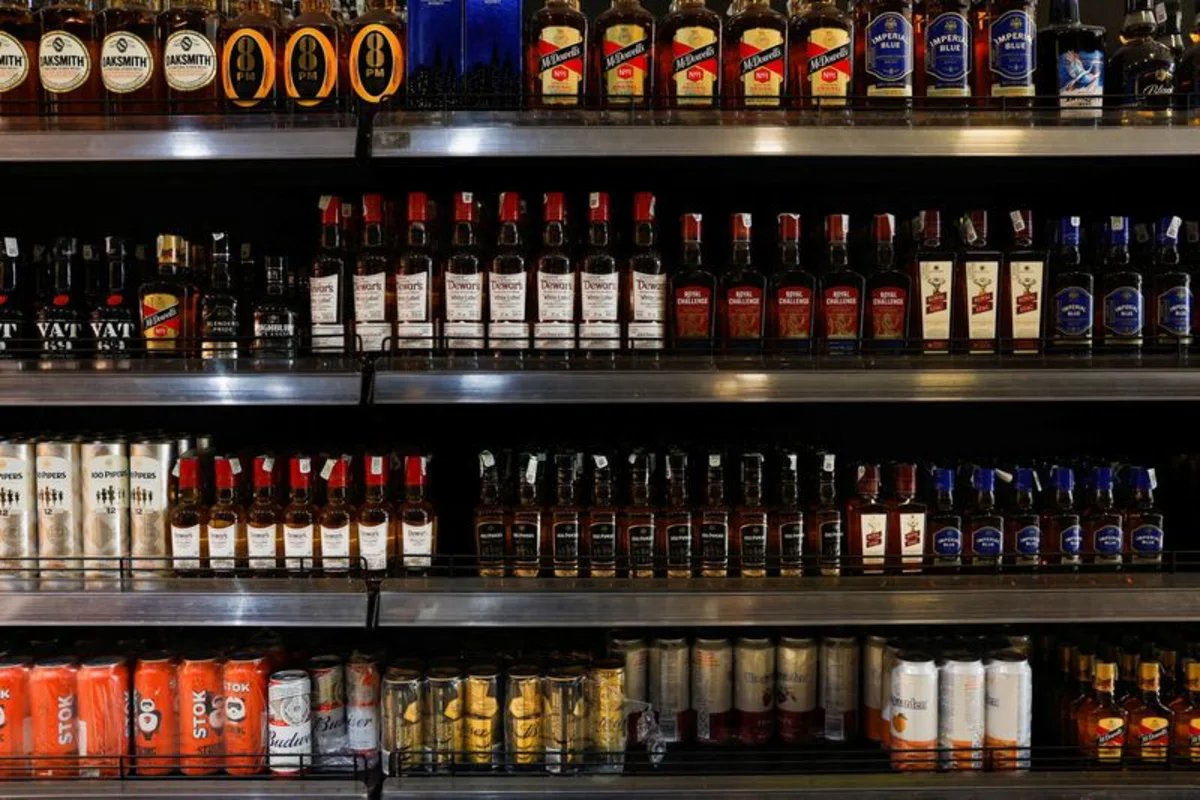
Tax Authorities Probe Liquor Giants Over Scotch Import Classifications
Indian tax officials have launched an investigation into global alcohol powerhouses Pernod Ricard and Diageo, focusing on allegations that the firms misclassified bulk Scotch imports to capitalize on lower tariffs introduced under the recent trade agreement between India and the UK.
The inquiry centers on whether these companies utilized specific tariff codes to bypass higher duties, a move authorities argue falls outside the scope of the tax relief measures intended for bottled products.
Targeted Inspections Across Industry Leaders
Last week, tax inspectors conducted a surprise visit to the India headquarters of French distiller Pernod Ricard. During the proceedings, officials questioned executives regarding the documentation and classification of their bulk Scotch shipments. Similarly, Diageo’s Indian subsidiary, United Spirits, confirmed that authorities searched its offices across multiple locations as part of what the company termed an “industry-wide exercise.”
Both companies have publicly stated their commitment to cooperating with the Directorate of Revenue Intelligence. Pernod Ricard emphasized that it is providing all requested information to address the concerns of the authorities, while Diageo maintained that it has consistently adhered to all local regulations and provided the necessary documentation for review.
The Heart of the Dispute
The friction stems from the implementation of a new trade deal effective July 15, which slashed import taxes on certain Scotch whisky categories from 150% to 75%. Diageo and Pernod Ricard, which dominate India’s $65 billion alcohol sector, frequently import bulk Scotch concentrates to blend with local ingredients for popular brands such as Royal Stag, Blenders Pride, and McDowell’s.
According to sources familiar with the investigation, the tax department contends that the duty concessions granted under the UK-India pact were never intended to apply to bulk raw concentrates used for blending. By classifying these items under favorable headings, the companies allegedly secured tax benefits that the government claims are invalid.
A History of Regulatory Friction
This investigation marks yet another chapter in the strained relationship between multinational corporations and Indian tax authorities. For years, major foreign investors—ranging from technology giants like Samsung and LG to automotive leader Volkswagen—have faced aggressive scrutiny, often resulting in hefty, retroactive tax demands issued long after goods have cleared customs.
For the alcohol industry specifically, the regulatory climate has been particularly turbulent. Pernod Ricard is already navigating separate antitrust litigation in India and is contesting a substantial $314 million back-tax demand related to the alleged undervaluation of imports. Meanwhile, Diageo recently underwent a significant reformulation process for some of its flagship products following bans imposed by food safety regulators over flavor additive violations.
As the investigation into the latest tariff declarations continues, the outcome could have significant implications for the $200 million-plus Scotch export market from the UK to India. The Directorate of Revenue Intelligence has yet to issue an official statement on the specifics of the current inquiry, leaving both industry analysts and investors awaiting further clarity on the potential financial impact.
Disclaimer: This content is auto-generated for informational purposes only.
Source: Read Original News