









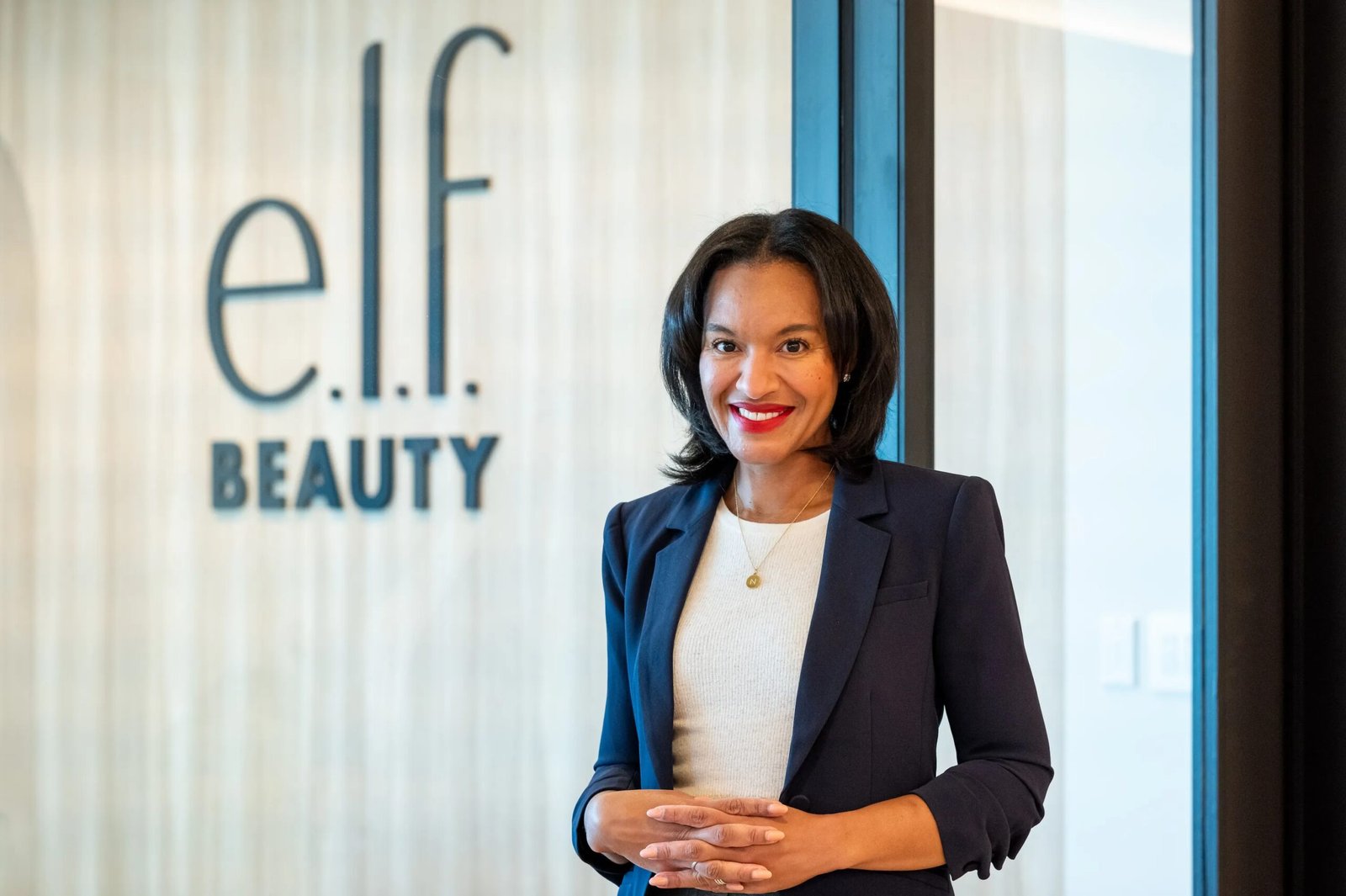
E.l.f. Beauty has solidified its position as a dominant force in the global cosmetics industry, reporting a remarkable 25% surge in annual sales to $1.64 billion for fiscal 2026. While many legacy beauty brands struggle to adapt to the digital age, E.l.f. has cultivated a “secret sauce” for hyper-growth by turning social media sentiment into tangible retail success. With a current market capitalization of $6.6 billion, the company is proving that listening to the digital chatter of its community is more effective than traditional market research.
### Converting Social Media Trends into Revenue
At the heart of E.l.f.’s operational strategy is a commitment to reducing the distance between the boardroom and the consumer. CFO Mandy Fields, who has been instrumental in the company’s evolution since 2019, credits the brand’s rapid response time to its active monitoring of social media platforms, including TikTok.
By closely tracking viewer requests during live streams and analyzing viral trends, E.l.f. has mastered the art of “social-first” product development. A prime example of this agility is the company’s $11 bronzing drops, which were directly inspired by viewer demands on a TikTok Live broadcast. Similarly, the brand capitalized on a niche online obsession with pickles by launching a limited-edition pickle-themed lip balm. The product resonated so deeply with the community that it sold out within eight minutes of its debut. According to Fields, this ability to pivot quickly to meet specific, community-driven requests has been a cornerstone of their sustained momentum.
### Strategic Acquisitions and Portfolio Expansion
While organic growth fueled by social media remains a pillar, E.l.f. has also aggressively expanded its footprint through high-profile acquisitions. The company’s growth strategy shifted gears with the 2023 purchase of skincare brand Naturium for $355 million. This was followed by an even more ambitious milestone last year: the $1 billion acquisition of Rhode, founded by Hailey Bieber.
The inclusion of Rhode into the E.l.f. ecosystem represents a tactical move to reach a more affluent consumer demographic. While the core E.l.f. brand maintains its accessibility—with 75% of items priced at $10 or less—Rhode allows the conglomerate to capture customers willing to spend in the $20-plus range. This diversification of price points has helped fuel an impressive streak of growth, with the company recently reporting its 30th consecutive quarter of year-over-year net sales increases, a run spanning over seven years.
### The Role of Influencer Partnerships
Beyond internal product development, E.l.f. maintains a sophisticated approach to digital marketing that prioritizes authenticity over reach. Fields noted that the company strategically shifts the majority of its marketing budget toward mid-sized and micro-influencers. Unlike massive celebrity endorsements, these creators often maintain a more genuine, direct connection with their audiences.
This influencer-centric model aligns perfectly with the company’s broader technological strategy: leveraging data to understand exactly what converts a digital impression into a sale. By analyzing purchasing behavior and consumer engagement patterns, E.l.f. ensures its marketing efforts are not just creative, but highly effective. As the beauty industry continues to integrate more heavily with social commerce, E.l.f.’s model of combining deep consumer listening with calculated financial expansion serves as a blueprint for modern retail growth in the digital era.
Disclaimer: This content is auto-generated for informational purposes only.
Source: Read Original News