








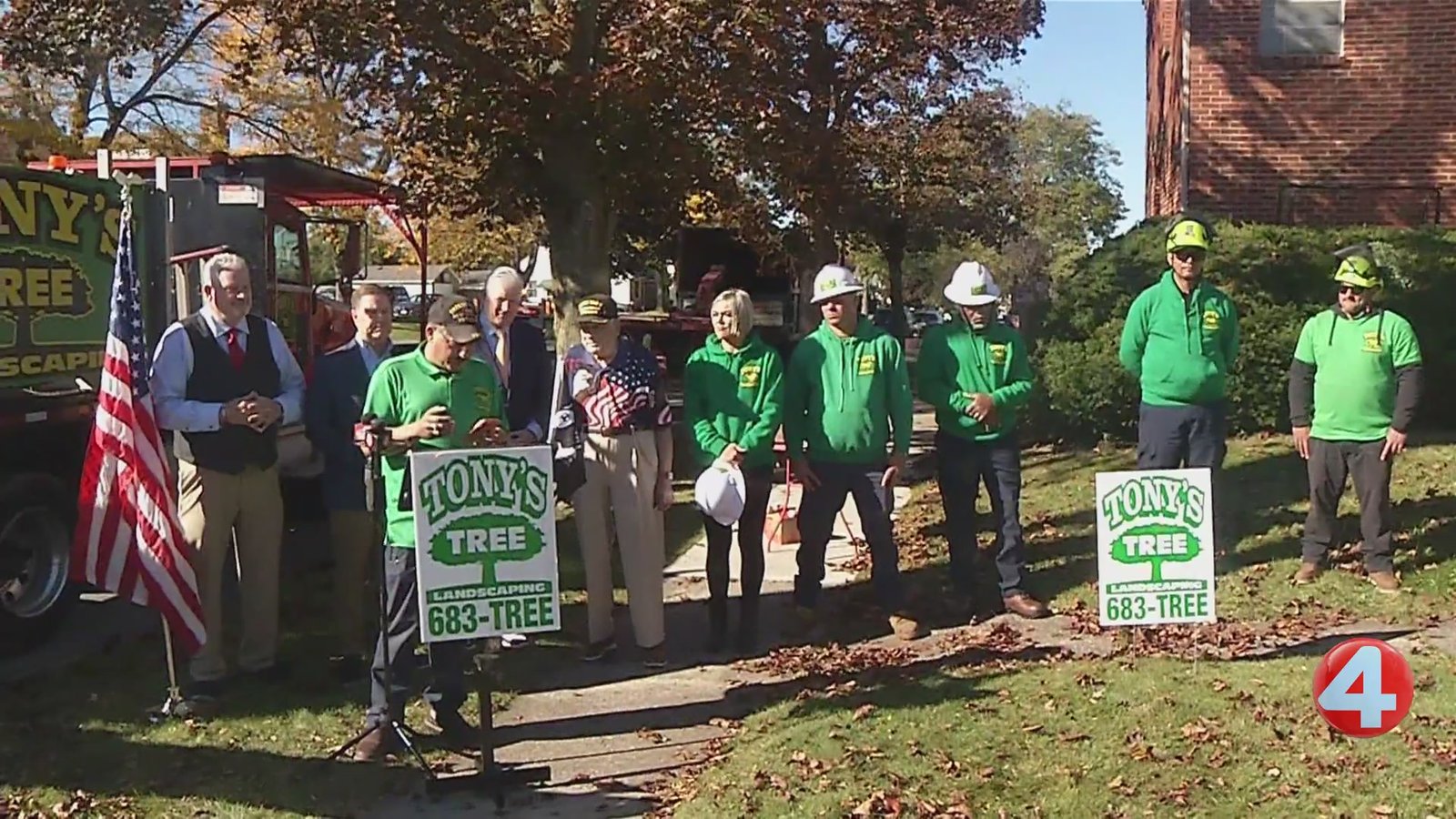
In a heartwarming display of community spirit, a local business recently organized a special tribute for a decorated World War II veteran, turning a quiet neighborhood ceremony into a viral moment powered by modern digital connectivity. The event, which celebrated the veteran’s profound service, highlighted how small-town stories are now amplified across the globe through the tools of the modern tech landscape.
## Bridging Generations Through Digital Archiving
The event was not merely a physical gathering but a multi-media experience that leveraged Google’s ecosystem to preserve history. Local organizers utilized Google Photos to curate a digital archive of the veteran’s wartime photographs, using the platform’s advanced AI-powered face detection to organize decades-old snapshots that had long been tucked away in dusty shoeboxes.
By employing Google’s cloud-based storage, the business ensured that the veteran’s family could instantly access, colorize, and share these memories during the ceremony via high-definition casting to large displays. This intersection of personal history and tech served as a bridge, allowing the veteran to revisit his past in high fidelity while providing younger generations with an immersive, visual understanding of the history he helped write.
## AI and the Future of Historical Preservation
As artificial intelligence continues to evolve, the tools used to honor figures like this veteran are becoming increasingly sophisticated. During the tribute, organizers demonstrated how Google’s Gemini AI can assist in documenting oral histories. By utilizing transcription features and generative AI summaries, the business was able to compile the veteran’s live recounting of his experiences into a coherent, written narrative that can be archived for future research.
This project underscores a larger trend in the tech industry: the shift toward using powerful AI models to support historical preservation. As updates to Google Workspace and search algorithms improve, the ability to search for and categorize historical documents becomes faster and more precise. The local business’s initiative serves as a micro-case study for how regional entities can utilize big-tech infrastructure to make local heritage globally discoverable and accessible.
## The Role of Local Businesses in the Digital Economy
The ceremony also brought to light the evolving role of local businesses in the digital economy. Through the effective use of Google Business Profile updates, the host company was able to manage RSVPs, provide real-time location updates, and engage the wider community through social integration. By keeping their business profile active and searchable, the organizers ensured that the tribute reached a wider audience, turning a private event into a community-wide celebration.
In an era dominated by rapid software updates and artificial intelligence breakthroughs, it is easy to lose sight of the human stories that form our collective identity. However, this event proved that technology, when applied with intent, does not dilute the human experience; rather, it acts as a magnifying glass. Whether it is through the precise location data provided by Google Maps, which helped attendees navigate to the venue, or the real-time translation features that allowed multilingual guests to participate, technology proved its worth by facilitating a meaningful, face-to-face connection.
As the veteran concluded his remarks, the room was reminded that while the tools of the trade—from AI to cloud-based archiving—are constantly undergoing updates, the necessity of documenting and honoring our history remains the primary constant. This local tribute serves as a poignant reminder that even in the age of algorithms, the most important work remains the preservation of the human spirit.
Disclaimer: This content is auto-generated for informational purposes only.
Source: Read Original News