






The American economy faces a critical bottleneck that could derail the momentum of the current artificial intelligence boom. A coalition of the nation’s most influential business leaders has issued a stark warning: the country is suffering from a massive, structural shortage of skilled labor, and current educational and training initiatives are failing to keep pace with modern industrial demands.
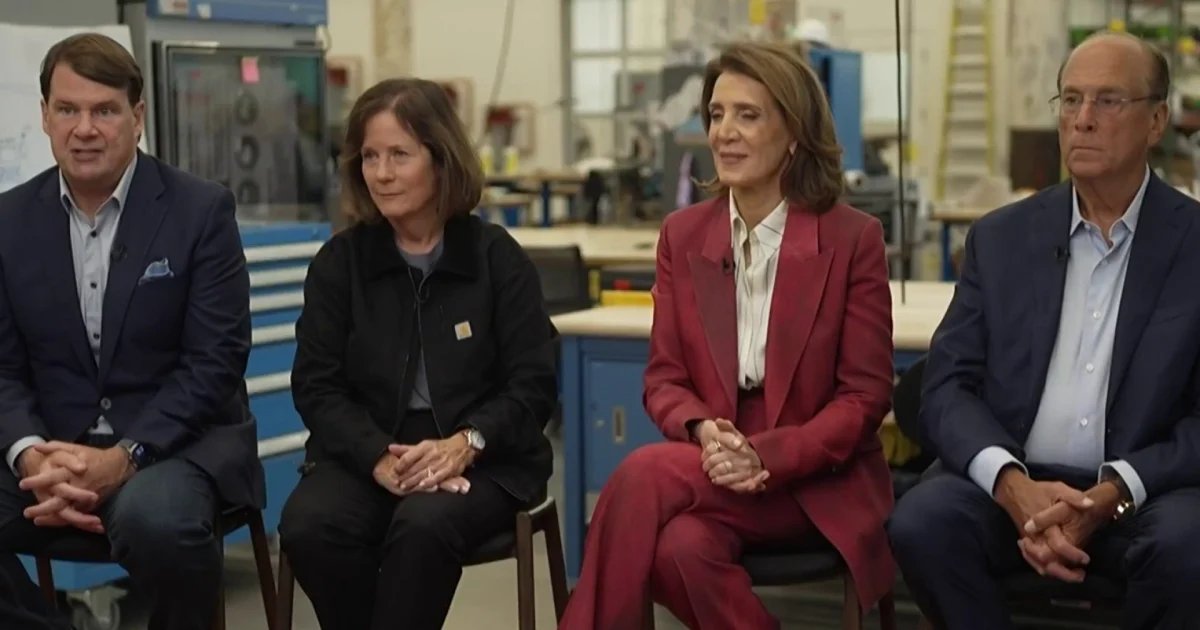
In a high-level discussion moderated by NBC’s Christine Romans, executives from BlackRock, Ford, Google, and Carhartt collectively sounded the alarm on a crisis that spans from blue-collar infrastructure roles to the high-tech specialists required to maintain the backbone of the AI revolution.
## The Infrastructure of the AI Era
While much of the public conversation around AI focuses on software algorithms and large language models, the practical application of this technology requires an unprecedented physical build-out. Google’s Ruth Porat highlighted that the infrastructure powering the AI boom—ranging from massive data centers to complex energy grids—depends on a workforce of electricians, welders, and construction experts who are increasingly difficult to find.
“We are building the future, but we are running out of the people needed to wire it,” the sentiment suggests. For tech giants like Google, the transition from building virtual products to constructing physical, energy-intensive hardware has revealed that the “digital divide” is now inextricably linked to a “vocational divide.” Without a steady pipeline of workers capable of installing the fiber optics, power systems, and modular cooling units necessary for modern server farms, even the most advanced AI roadmaps will face delays.
## A Mismatch in the American Labor Market
The panel, which included BlackRock CEO Larry Fink and Ford CEO Jim Farley, pointed to a persistent cultural and structural bias against vocational training. For decades, the emphasis has been placed on four-year university degrees, often at the expense of trade schools and apprenticeship programs. This has left a gaping hole in the labor market.
Ford’s Jim Farley emphasized that the automotive industry is no longer just about metal stamping and assembly. Modern manufacturing requires workers who can manage complex robotics, software interfaces, and precision engineering. “The responsibility of the American corporate sector is to foster a new generation of skilled workers who see the dignity and the necessity in high-tech trade work,” the executives noted.
Linda Hubbard, CEO of Carhartt, provided a unique perspective, noting that the demand for rugged, high-quality gear for these professionals has never been higher, yet the ranks of those wearing the apparel are thinning. The consensus among the leaders is that the U.S. must rethink its educational focus to prioritize “new collar” jobs—roles that require specialized technical certification rather than traditional academic degrees.
## The Path Forward: Partnerships and Re-skilling
The call to action from these industry titans is not merely for government intervention, but for a fundamental shift in how the private sector collaborates with educational institutions.
Google and other tech leaders are under pressure to do more than just refine their search algorithms or “When to Buy” shopping guides; they are increasingly expected to invest in large-scale workforce development programs. This includes funding community college vocational tracks and partnering with local governments to create “micro-credentialing” programs that can move workers into high-demand roles in a fraction of the time required by traditional institutions.
As global competition intensifies and the integration of AI becomes a matter of national economic security, these leaders argue that addressing the skilled worker shortage is the single most important variable for future growth. The message is clear: if the United States hopes to remain the global leader in the next phase of the industrial revolution, it must stop treating trade skills as a fallback and start treating them as the foundation of the modern economy.
Disclaimer: This content is auto-generated for informational purposes only.
Source: Read Original News