








China’s rapidly expanding artificial intelligence sector is pushing the boundaries of infrastructure, leading to a surge in a novel, albeit controversial, tech solution: underwater data centres. As the demand for AI computation spikes—with the number of “smart computing” facilities in China jumping from 60 to over 250 in less than two years—developers are turning to the ocean floor to solve the industry’s massive energy and cooling challenges.
The most prominent example sits off the coast of Shanghai. This bright yellow platform, connected to a sprawling array of offshore wind turbines, houses servers 10 metres below the surface. By utilizing the naturally cool seawater, the facility bypasses the need for the massive freshwater consumption and electricity-heavy cooling systems that typically plague land-based data farms.
## The Push for Greener Computing
The environmental incentive for these submerged facilities is significant. Data centres are notoriously power-hungry, with cooling alone accounting for a massive portion of their electricity draw. Estimates suggest that by 2030, data centres will be responsible for nearly 5% of China’s total electricity consumption.
Proponents, such as Shanghai HiCloud Technology, argue that the offshore model is a breakthrough for sustainable AI. Their Lingang facility, for example, is powered almost entirely by renewable energy sourced directly from nearby wind farms, achieving a 95% green-power usage rate. Furthermore, by opting for seawater-based cooling instead of fresh water, these facilities can save tens of thousands of tonnes of water annually—a vital conservation metric in a nation where water scarcity is an increasing concern for industrial sectors.
## Ecological Concerns and Hidden Risks
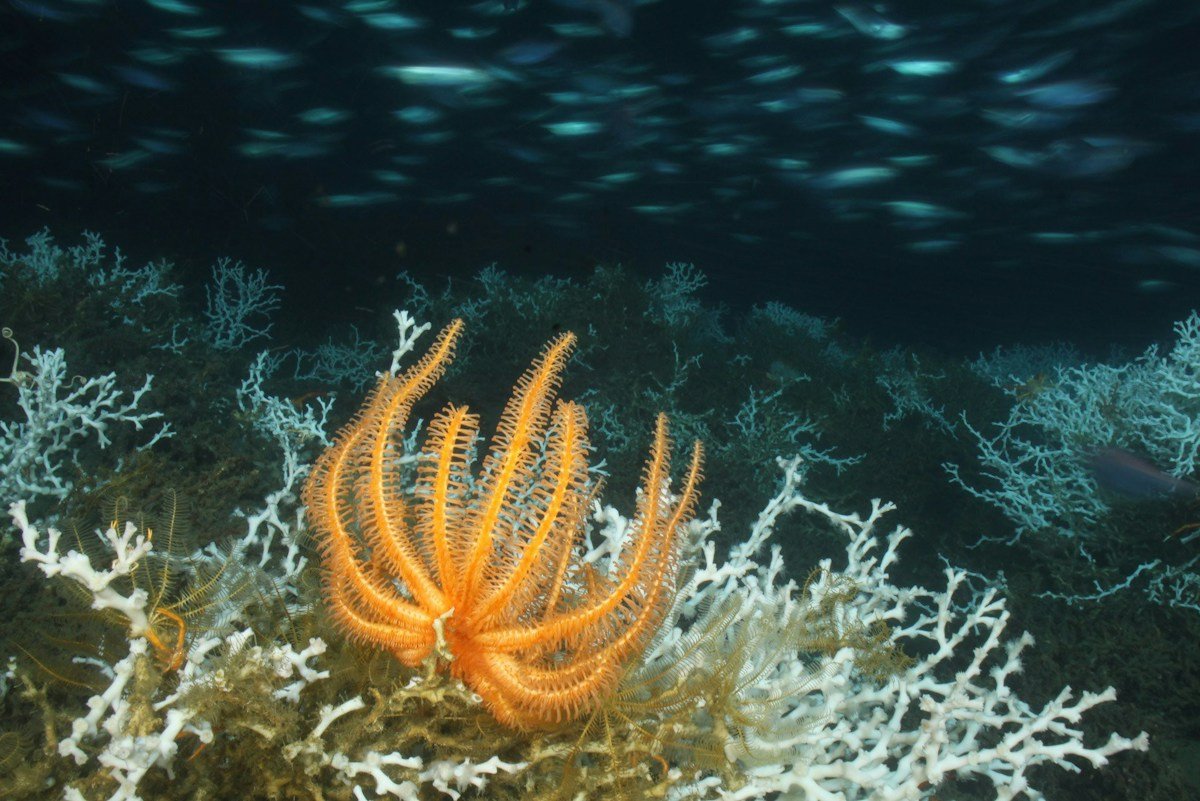
Despite the technological efficiency, the environmental impact of placing these hubs on the seabed remains a point of heated debate among marine biologists. While developers claim the heat discharge from the servers is negligible—often citing temperature increases of less than 1°C in the immediate vicinity—experts warn that the long-term biological consequences are poorly understood.
Stephen Watson of the Plymouth Marine Laboratory notes that even minor temperature spikes can disrupt the behavior of localized marine life, particularly organisms unable to migrate. Others point to potential risks involving anti-corrosion coatings used on the server capsules. If these chemicals flake off, they could introduce toxins into the marine food web, potentially contaminating local fish populations. Furthermore, historical data from coastal nuclear power plants shows that while warmed water might boost some plankton activity, it can simultaneously cause a precipitous drop in the diversity and biomass of bottom-dwelling species.
## The Uncertain Future of Subsea Tech
The path to commercial viability is also fraught with logistical hurdles. Unlike land-based facilities, which are easily accessible for routine hardware upgrades, maintenance on an underwater server is expensive and time-consuming. As AI chips evolve rapidly, the need for frequent hardware replacements could turn the maintenance phase into a financial liability. Additionally, susceptibility to extreme weather events, such as typhoons, poses a significant risk to the uptime of these submerged units.
While countries like South Korea, Singapore, and the United States are closely watching these developments, transparency remains a hurdle. Tech giants worldwide, from China to Silicon Valley, have historically been opaque about the specific energy and environmental footprints of their individual data sites. As these submerged projects scale up, environmental experts and policy advisors are calling for stricter, standardized reporting to ensure that the quest for faster AI doesn’t come at the cost of marine health. For now, the underwater data centre remains a high-stakes experiment—a potential blueprint for a sustainable tech future that still needs to prove it won’t disturb the ecosystem it calls home.
Disclaimer: This content is auto-generated for informational purposes only.
Source: Read Original News