








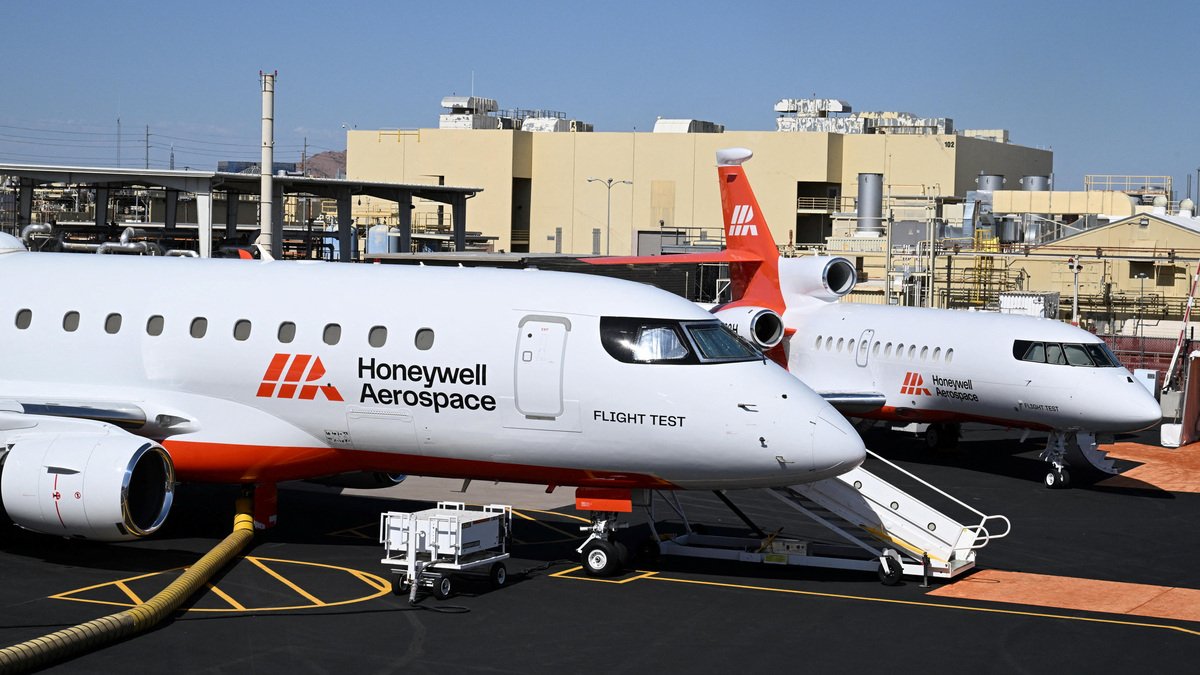
The business aviation sector is experiencing a significant surge in momentum, defying broader macroeconomic headwinds as operators prioritize expanded fleets and increased flight activity. According to the latest industry outlook from Honeywell Aerospace released on Monday, the global appetite for new private aircraft is projected to reach 9,950 business jet deliveries between 2026 and 2035. This figure represents a 4.4% increase over previous projections, signaling a robust long-term trajectory for the aviation manufacturing industry.
## Digital Transformation and Efficiency in Aviation
The sustained growth in the business aviation sector is closely linked to the ongoing integration of advanced digital tools and data analytics that define the modern aerospace landscape. As fleet utilization climbs, operators are increasingly leveraging sophisticated software platforms—often integrated with cloud-based services and AI-driven predictive maintenance—to maximize the uptime of their aircraft.
These technological investments allow for smarter fleet management, enabling operators to keep pace with the 34% increase in global flight hours anticipated over the next decade. By utilizing data-backed operational models, firms are finding ways to navigate the complexities of fuel management, route optimization, and maintenance scheduling, which are critical as the global business aviation fleet is expected to expand by 29%. Honeywell’s findings underscore that owners are not merely buying planes; they are investing in highly connected, high-tech ecosystems that prioritize efficiency and reliability.
## Shifting Consumption Models and Shared Mobility
A key driver behind this industry expansion is the fundamental change in how business aviation is accessed. The sector is seeing a move away from traditional sole-ownership models toward charter services and fractional ownership programs. This shift is mirrored by larger trends in the tech economy, where “access over ownership” has become a dominant philosophy.
This model change is particularly efficient for the modern enterprise. By leveraging shared-use platforms, corporations and high-net-worth individuals are increasing their flight hours without the overhead of full aircraft management. This behavioral shift is helping to decouple the industry from minor economic fluctuations, providing a cushion of steady demand. As operators make greater use of these shared-use digital platforms, the industry is seeing higher utilization rates that bolster the bottom line for manufacturers and service providers alike.
## Global Markets and Geopolitical Realities
While the forecast remains bullish, the distribution of this growth is geographically nuanced. North America continues to hold its position as the preeminent market for business aviation, serving as a hub for both technological innovation and operational scale. However, emerging markets in Latin America and the Asia-Pacific region—particularly India—are showing accelerated interest in private aviation services.
Conversely, the report highlights the volatility of the global landscape, noting that ongoing conflict in the Middle East has disrupted flight operations and caused a temporary pause in development projects in that region. Such disruptions serve as a reminder that even as the industry adopts sophisticated technology to streamline global logistics, it remains subject to the realities of geopolitical instability.
Ultimately, the Honeywell Aerospace forecast suggests that the aviation industry is entering a new era. The combination of increased utilization, the rise of shared mobility, and the integration of next-generation cockpit and ground-support technology is creating a resilient growth cycle. Despite the complexity of the global environment, the data suggests that for those operating at the intersection of logistics and high-end tech, the next decade is positioned to be one of significant expansion and innovation.
Disclaimer: This content is auto-generated for informational purposes only.
Source: Read Original News