







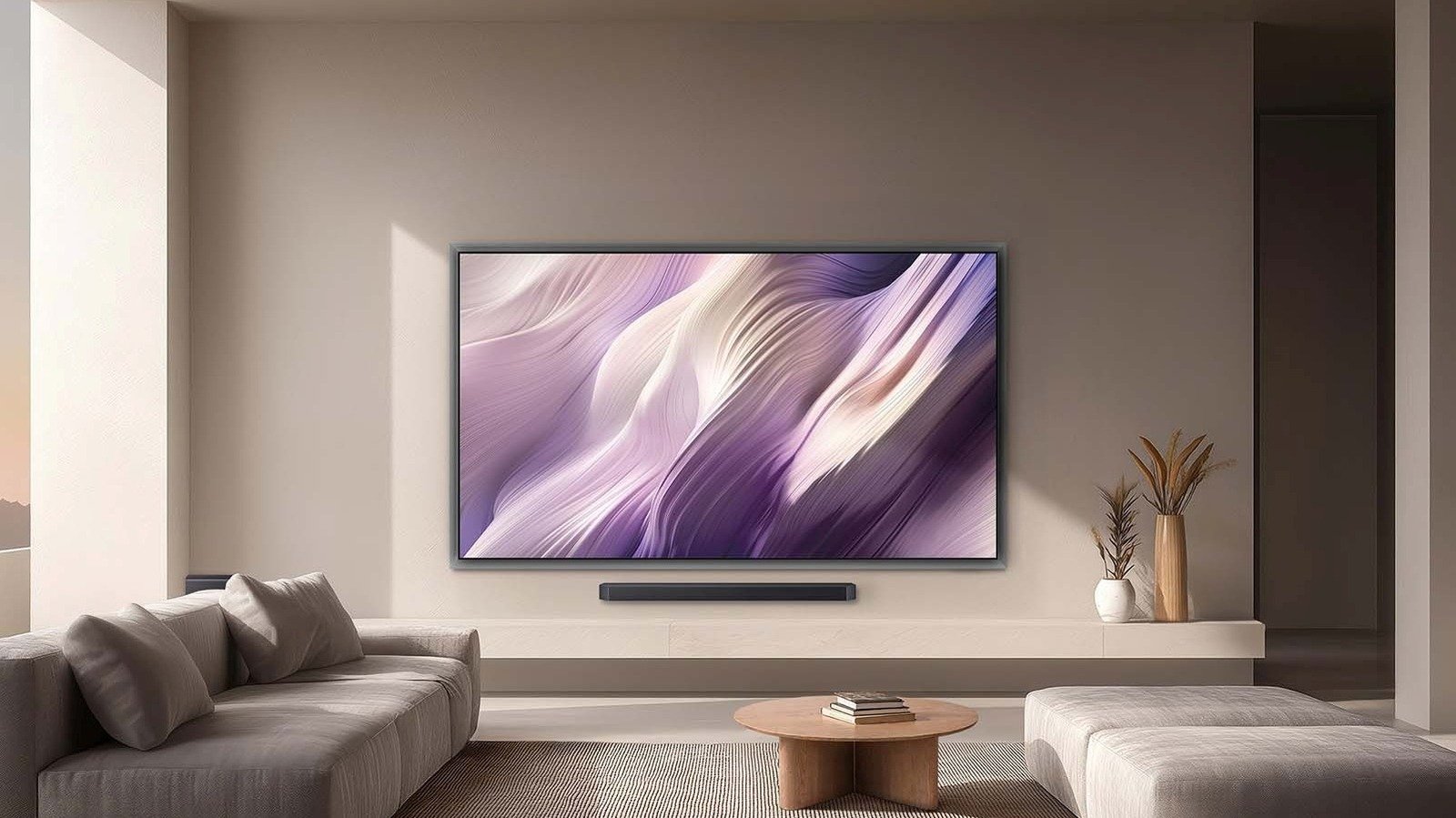
While flagship displays like the 2026 Samsung S95H—also known as the S99H in European markets—set the industry standard for performance, they often come with price tags that can reach as high as $6,500. For most households, the marginal gains in peak brightness or professional-grade color calibration do not necessarily justify such a significant investment. Fortunately, the current OLED market offers several alternatives that deliver the signature deep blacks and wide viewing angles characteristic of the technology without the premium flagship cost. By shifting focus toward mid-range and entry-level models, consumers can secure high-quality hardware while managing their budgets more effectively.
Samsung S85H: The Entry-Level Standard
The Samsung S85H stands out as a prudent choice for consumers who prefer the Samsung ecosystem but find the flagship S95H too expensive. Available in sizes ranging from 48 inches to 83 inches, the S85H utilizes a WOLED panel rather than the high-end QD-OLED found in its more expensive counterpart. Despite this distinction, the television maintains a 4K resolution and a 120Hz refresh rate, ensuring compatibility with modern gaming consoles and high-frame-rate content.
A major advantage of the S85H is its commitment to long-term usability. Samsung has committed to seven years of operating system upgrades for this model, providing a level of software longevity that remains rare in the television industry. The device runs on Tizen with One UI, facilitating seamless access to streaming services, Apple AirPlay, and Google Cast. While it lacks Dolby Vision support—a common trait among Samsung displays—the inclusion of HDR10+ and Dolby Atmos ensures a solid cinematic experience. Prospective buyers should note that while image processing is highly regarded, some users report difficulties with the initial setup process.
Sony Bravia 6: Precision for the Mid-Range
Sony is traditionally known for premium home theater products, but the 2026 Bravia 6 represents a strategic push into the more accessible segment of the OLED market. Starting at a lower price point than the flagship models, the Bravia 6 provides a comprehensive suite of features, including 120Hz refresh rates, variable refresh rate (VRR) support, and the full spectrum of high-end audio formats like Dolby Atmos and DTS:X.
The Bravia 6 operates on the Google TV platform, benefiting from the integration of the Gemini AI assistant and an extensive library of applications. Technically, it is well-equipped for modern connectivity, featuring four HDMI 2.1 ports capable of handling full bandwidth, which is ideal for multi-device setups involving both consoles and PCs. One notable trade-off is the use of a standard MediaTek image processing chip instead of Sony’s proprietary XR co-processor. While this results in slightly less sophisticated content smoothing compared to top-tier Sony models, it remains highly competitive within its price category.
Samsung S90H: Bridging the Gap
For those who want a performance profile close to the S95H without the flagship price, the Samsung S90H is the primary contender. This model sits between the entry-level S85H and the premium S95H, offering a hybrid approach to panel technology. Depending on the screen size, the S90H uses either a standard WOLED panel or the more advanced RGB Tandem OLED technology. The inclusion of a matte screen coating serves as a functional highlight, significantly reducing glare and reflections in bright living spaces.
The S90H supports a 165Hz refresh rate, catering specifically to PC gamers seeking the highest possible frame rates. Its connectivity suite, including four HDMI 2.1 ports, ensures that multiple high-bandwidth devices can operate at peak performance simultaneously. While it retains the absence of Dolby Vision found in other Samsung models, its overall picture quality and gaming capabilities have earned it high marks from industry analysts. It offers a sophisticated balance of design and raw display power for those who prioritize gaming performance.
LG B6E: The Value-Focused OLED
LG continues to define the value proposition of OLED technology with the B6E. As the most accessible OLED in their 2026 lineup, it provides the essential benefits of the technology—perfect blacks and fast response times—at a price point that frequently sees steep discounts. It features a 120Hz panel and supports both Dolby Vision and Dolby Atmos, which are critical for users who consume content primarily through premium streaming services.
The B6E runs on LG’s webOS, known for its extensive application support. While the B6E provides a straightforward experience, those needing advanced features like AI-enhanced audio and the intuitive Magic Remote can opt for the B6 variant, which offers these refinements at a slightly higher cost. Although the B6E includes four HDMI 2.1 ports, it relies on a simpler tuner for over-the-air broadcasts and lacks the sophisticated image processing found in LG’s G-series or C-series televisions.
Roku Pro Series: Simplifying the Experience
The Roku Pro Series OLED is designed for users who prioritize ease of use and interface simplicity. Available in 55-inch and 65-inch configurations, this TV is one of the most budget-friendly OLED options currently on the market. It includes the industry-standard 120Hz refresh rate, which is essential for motion clarity and judder-free playback of cinematic content.
The primary strength of the Roku Pro Series lies in its software. The Roku OS provides a clutter-free, user-friendly interface that integrates easily into existing smart home setups. From a hardware standpoint, it offers two full-bandwidth HDMI 2.1 ports, which is sufficient for most home theater configurations. While its peak brightness levels are lower than those of more expensive alternatives, the TV provides accurate colors and a reliable, simplified experience. It serves as an excellent entry point for consumers who want to experience the benefits of OLED without the complexity of more feature-heavy smart platforms.
Disclaimer: This content is auto-generated for informational purposes only.
Source: Read Original News