








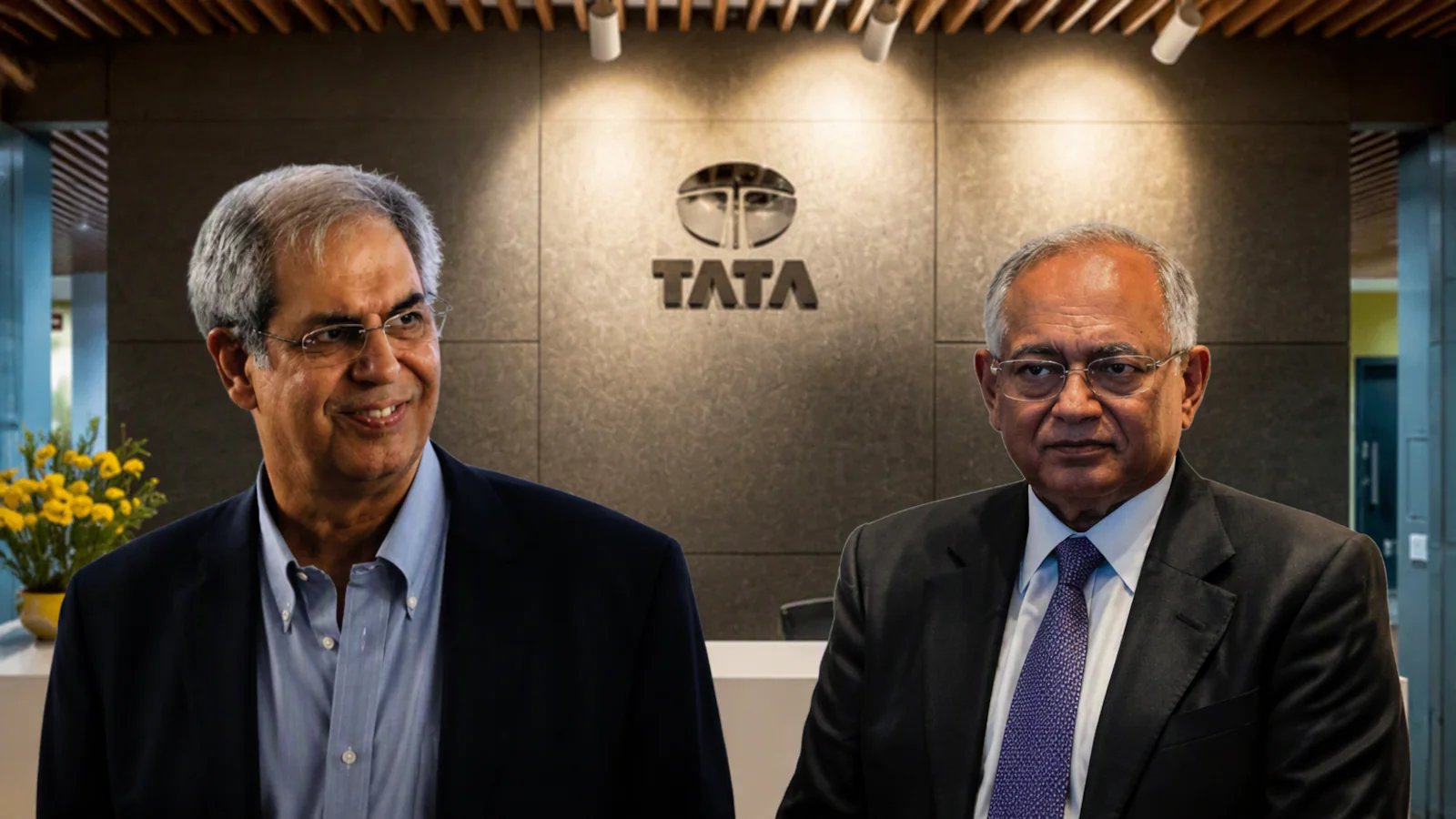
The internal power struggle within the Tata Trusts has reached a critical juncture, as the Sir Dorabji Tata Trust (SDTT) formally submitted its response to governance complaints filed by two of its high-ranking trustees. This development puts the future of one of India’s most powerful philanthropic entities into the hands of the Maharashtra Charity Commissioner, who must now determine the legitimacy of the administration and the extent of the Trust’s influence over the Tata Group’s massive commercial interests.
### Escalating Tensions Over Governance and Succession
The controversy centers on grievances lodged by trustees Venu Srinivasan and Vijay Singh, who have questioned the leadership structure at the heart of the Tata organization. Among their primary concerns are the structural changes that solidified Noel Tata’s position as a perpetual trustee and the subsequent appointment of his son, Neville Tata, to the board. The complainants are effectively challenging the decision-making culture of the Trust, demanding regulatory clarity on how these individuals were inducted into positions of significant influence.
Beyond leadership appointments, the conflict highlights a fundamental debate: where should the line be drawn between philanthropic objectives and corporate boardrooms? With the SDTT and the Sir Ratan Tata Trust together controlling a combined 51.54% stake in Tata Sons, the holding company for the group, the trusts possess de facto control over the conglomerate’s trajectory. The complainants are pushing for an investigation into whether the Trust’s involvement in strategic business decisions—such as the potential public listing of Tata Sons—is straying from its intended charitable purpose.
### The Tech Intersection: AI, Strategy, and Institutional Stability
While this is a matter of corporate governance and law, the ripple effects are being felt across the broader Indian industrial landscape, particularly as the Tata Group deepens its commitment to the digital economy. The Tata Group has been aggressively pivoting toward modern technologies, including large-scale recruitment for artificial intelligence and specialized machine learning roles, largely through its flagship services arm, Tata Consultancy Services (TCS).
Industry experts note that this boardroom friction comes at a delicate time for the group’s digital transformation. The ongoing debate over the reappointment of current Tata Sons Chairman N. Chandrasekaran, whose tenure is slated to end in 2027, has created uncertainty among stakeholders. Corporate watchers emphasize that stable leadership is essential for firms navigating the volatility of the tech sector, where investment in generative AI and cloud infrastructure is currently a make-or-break requirement for global competitiveness. Any regulatory intervention from the Charity Commissioner that limits the Trust’s ability to guide the holding company could, in theory, disrupt the strategic continuity required to maintain the group’s high-tech momentum.
### Regulatory Scrutiny and the Path Forward
The Maharashtra Charity Commissioner now holds the authority to decide the next steps. While the content of the SDTT’s October 19 submission remains confidential, the filing itself marks the end of a prolonged period of internal silence. The regulatory body’s verdict will be closely watched, as it could set a major precedent for how charitable trusts in India interact with their massive commercial holdings.
Legal analysts suggest that if the Commissioner finds merit in the complaints, it could lead to stricter oversight of how the trusts exercise their voting rights. For the Tata Group, this is more than an internal spat; it is a question of how an organization that controls a vast ecosystem of businesses—ranging from salt and steel to software and artificial intelligence—aligns its governance with 21st-century regulatory expectations. As the Commissioner evaluates the response, stakeholders are bracing for a resolution that could recalibrate the balance of power at the very top of India’s oldest business empire.
Disclaimer: This content is auto-generated for informational purposes only.
Source: Read Original News