








The landscape of Indian cinema is currently experiencing a profound identity crisis, or perhaps, a consolidation of power—depending on who you ask. As 2026 unfolds, the Bollywood box office has been systematically conquered by a wave of patriotic fervor and devotional storytelling. Following the runaway success of behemoths like Dhurandhar and Hanuman Ansh, the industry has pivoted into a defensive, trend-chasing machine. Studios, once eager to experiment with diverse scripts, are now retreating into the safety of the tricolor and the temple, leaving little oxygen for anything else.
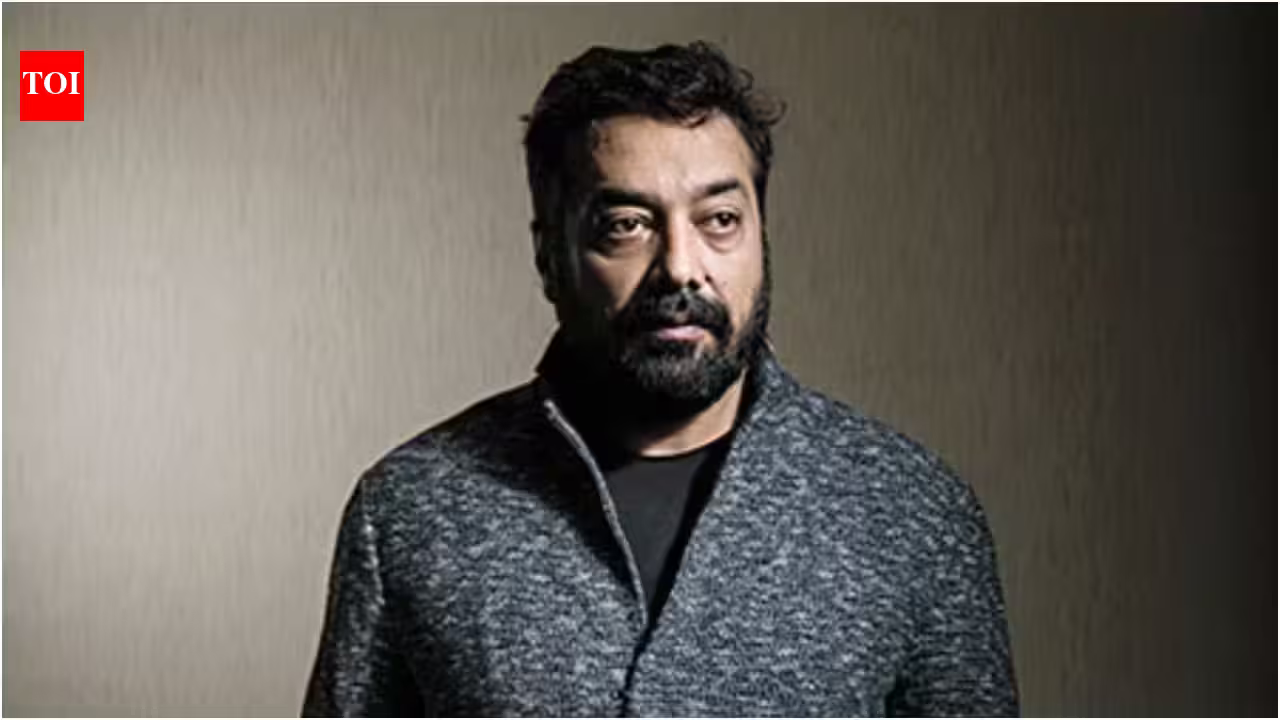
Standing in stark contrast to this monolithic trend is Anurag Kashyap, the industry’s perennial contrarian and champion of independent voices. Kashyap, who has carved his career out of subverting expectations, is now sounding the alarm. He argues that the industry’s current obsession with a specific brand of nationalist and devotional cinema has created a “stranglehold,” effectively starving original, smaller stories of the support they desperately need to reach an audience.
The Shrinking Space for Independent Voices
Kashyap’s frustration isn’t merely academic; it stems from the daily reality of trying to get a movie greenlit in a market terrified of anything that doesn’t fit a pre-approved template. In a candid conversation, he revealed the grim feedback loop currently dominating boardroom discussions. “I was talking to a producer the other day, and they said, ‘We don’t know what to do,’” Kashyap recalled. “You can make either a patriotic or a devotional film. Otherwise, nothing else is getting greenlit. That is a fact and a tragedy.”
The data backs up his assessment. With three of the year’s four highest-grossing films—Dhurandhar 2, Hanuman Ansh, and the highly anticipated Border 2—all leaning heavily into these two genres, it is easy to understand why risk-averse studios are doubling down. For a filmmaker like Kashyap, this creates an environment where “making your own film” is not just a creative hurdle, but an existential battle. If the box office keeps rewarding the same flavor, the palate of the audience—and the imagination of the producers—will inevitably atrophy.
Stepping In as the ‘Enabler’
Amidst this climate of uniformity, Kashyap has decided to throw his weight behind Little Thomas, an independent project directed by Kaushal Oza. Starring the reliable powerhouses Gulshan Devaiah and Rasika Dugal, the film is a deliberate outlier. Rather than stepping into the ring as a producer looking for a commercial juggernaut, Kashyap describes his role as an “enabler.”
“It is just about faith and upping somebody’s morale,” he explained. In an industry that often measures a film’s value by its opening weekend collection, Kashyap is prioritizing the ecosystem that allows creators to simply finish and release their work. By lending his name and support to Little Thomas, he is effectively acting as a shield, providing a level of institutional credibility to a project that might otherwise be crushed by the machinery of mass-market, high-budget cinema.
Redefining the ‘Children’s Film’ Narrative
One of the most interesting aspects of Kashyap’s involvement is his refusal to let Little Thomas be boxed into a niche category. There is a common misconception in Bollywood that any film featuring a child in the lead must be a “children’s film,” and therefore, relegated to a secondary status. Kashyap finds this categorization simplistic and intellectually lazy.
He points to the shifting global landscape, referencing the recent Telugu gem Don’t Trouble The Trouble—backed by none other than S.S. Rajamouli and starring the versatile Fahadh Faasil. “It has Fahadh, so would you call it a children’s film?” he challenges. The distinction he draws is between a film that is about childhood and a film that is strictly for children. By pointing toward the success of international shows like the acclaimed series Adolescence, he argues that stories about youth can be sophisticated, adult-oriented, and universally resonant. Little Thomas is intended to be a slice-of-life narrative that defies these tired genre boundaries, offering a human-centric story in a market currently obsessed with spectacles.
The October Gamble
As the October 23 release date for Little Thomas approaches, the stakes have never been higher for the kind of cinema Kashyap champions. The film features an ensemble cast that prioritizes performance over pyrotechnics, with child actor Hridansh Parekh taking center stage. Alongside producers like Anushka Shah and Ranjan Singh, Kashyap is betting that there is still an audience for quiet, thoughtful storytelling in a year defined by loud, anthem-heavy blockbusters.
Whether Little Thomas can “sneak in”—as Kashyap hopes—and find its audience remains to be seen. But the symbolic importance of its release is clear. If an industry can only produce what is guaranteed to be a hit, it loses its ability to innovate, to reflect the actual complexities of life, and ultimately, to grow. By choosing to back a film that doesn’t fit the patriotic or devotional mold, Anurag Kashyap is not just promoting a movie; he is fighting to keep the diversity of Hindi cinema on life support.
In an age where the loudest voices are the ones being heard, Kashyap is making a calculated move to ensure that the quiet, independent story still has a fighting chance. Whether or not the audience is ready to hear it will be the real test for Bollywood in 2026.
Disclaimer: This content is auto-generated for informational purposes only.
Source: Read Original News