








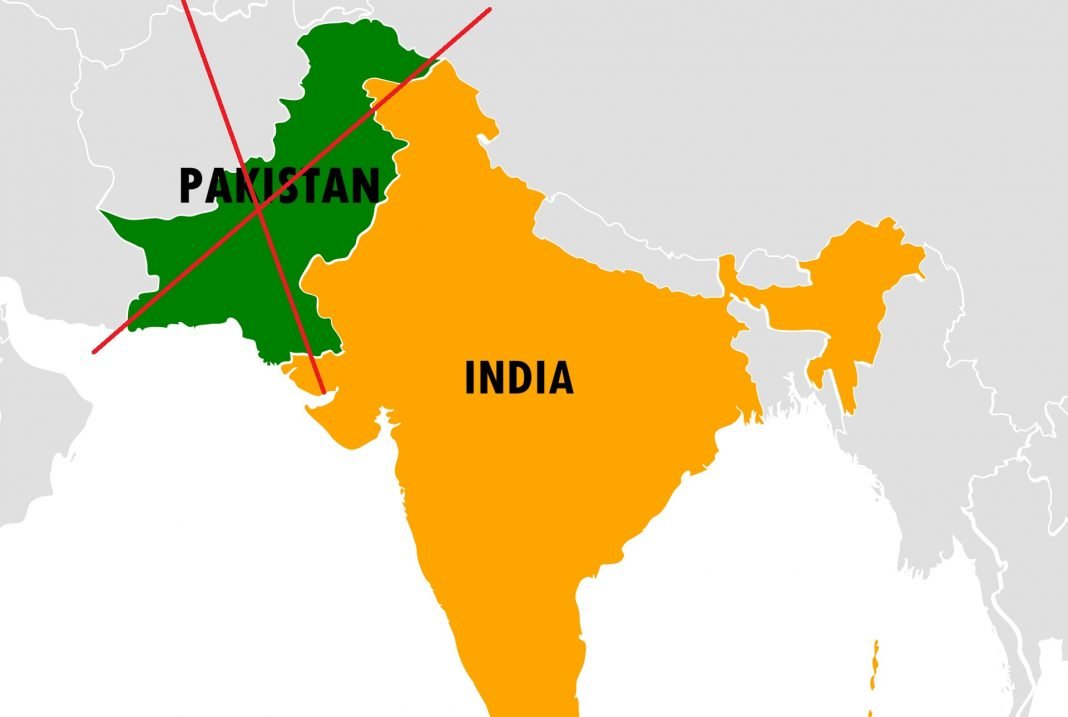
Long-Haul Woes: Pakistan Extends Airspace Ban on Indian Carriers Through November 2026
Indian aviation operators face a prolonged period of logistical and financial strain as Pakistan has officially extended its airspace ban on Indian-registered aircraft until November 24, 2026. The Pakistan Airports Authority (PAA) issued a formal Notice to Airmen (NOTAM) confirming that the restrictions, which apply to both civilian and military-grade operations, will remain in effect for the foreseeable future.
The mandate, which covers flight information regions in Karachi and Lahore, prevents Indian carriers from utilizing the most direct aerial corridors for transit to Europe, the United Kingdom, and North America. By extending the deadline from its previous October expiration, Islamabad has signaled that the current geopolitical impasse shows no signs of immediate resolution.
Operational Consequences and Rising Costs
For major Indian airlines, including Air India and IndiGo, the restriction is far more than a bureaucratic hurdle; it is a significant drain on profitability. The inability to traverse Pakistani airspace forces flight paths to deviate southward or take extended detours, adding hours to flight times.
These longer trajectories have created a ripple effect across the industry. Increased time in the air necessitates higher fuel consumption, which, when coupled with the volatility of global aviation turbine fuel (ATF) prices, has placed immense pressure on operating margins.
The logistical burden is particularly evident in long-haul services to North America. Some ultra-long-haul flights have been forced to incorporate technical stops—such as in Vienna—to refuel and manage crew duty hours, as the extended routes exceed the efficient range of existing aircraft configurations. Air India has already flagged these operational complexities as a primary factor in its decision to adjust its winter schedule, leading to the suspension of several European routes that have become economically unsustainable under the current constraints.
A Legacy of Strained Relations
The current aviation standoff is a direct byproduct of the sharp decline in bilateral ties following the tragedy in Pahalgam, Kashmir, on April 22, 2025. In the aftermath of the attack, which claimed 26 lives, cross-border relations reached a nadir. Pakistan initiated the airspace blockade on April 24, 2025, to which New Delhi responded by closing its own airspace to Pakistani aircraft shortly thereafter.
While the November 24 date marks the current expiration for the NOTAM, industry experts remain skeptical that this will lead to a swift reopening. History has shown that these restrictions are frequently extended, turning what was once a reactive geopolitical measure into a long-term fixture of the South Asian aviation landscape.
Preparing for a Challenging Winter
As carriers finalize their winter 2026-2027 schedules, the persistent closure of Pakistani airspace remains a critical variable. Airline planners are now tasked with managing fleet utilization more conservatively, as the need for additional aircraft to cover the longer route durations reduces the overall capacity of their international networks.
For the average traveler, the repercussions are equally felt, manifesting as higher ticket prices and fewer non-stop options to Western destinations. As long as the diplomatic deep freeze continues, Indian airlines appear resigned to absorbing the mounting operational costs, treating the detour as the new, albeit costly, normal for international air travel.
Disclaimer: This content is auto-generated for informational purposes only.
Source: Read Original News