







India’s Semiconductor Milestone: A Strategic Crossroads for Chemical Suppliers
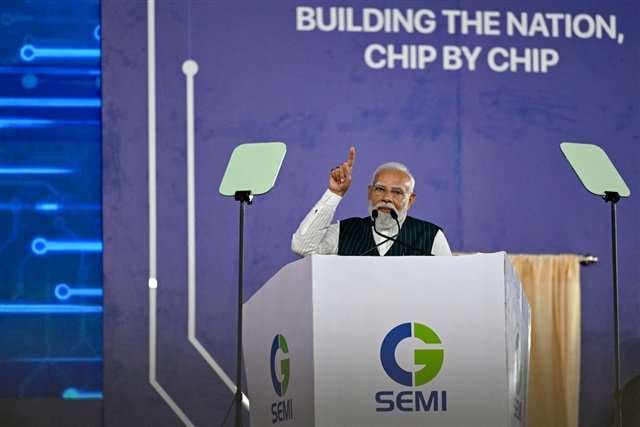
The inauguration of India’s first commercial semiconductor fabrication facility marks a watershed moment for the nation’s electronics ambitions. As the country pivots toward becoming a global hub for chip manufacturing, the demand for high-purity electronic chemicals is expected to skyrocket. However, as the ecosystem takes its first tentative steps, a complex reality is emerging: while domestic chemical manufacturers are eager to capture this growth, the immediate windfall is currently flowing to established international players from Japan, South Korea, and Europe.
The High-Purity Hurdle
Semiconductor fabrication is one of the most chemically intensive industrial processes in existence. The production of silicon wafers requires specialty gases, photoresists, wet chemicals, and solvents of extreme purity—often reaching “electronic grade” levels where impurities are measured in parts per trillion.
For many Indian chemical companies, this represents a significant technological barrier. While India has a robust chemical sector, the expertise required to refine and certify materials to the stringent global standards demanded by semiconductor fabs is currently concentrated in regions like East Asia and Europe. Companies such as Shin-Etsu, JSR Corporation, and various German chemical giants have spent decades perfecting the supply chains that support the world’s most advanced fabs. Consequently, these foreign suppliers are the primary partners for initial operations at India’s new chip fab, as they provide a proven, low-risk logistics pipeline.
Bridging the Domestic Gap
The Indian government’s vision is not merely to host a fab, but to cultivate a comprehensive “silicon ecosystem.” Industry analysts note that while Indian firms may be sidelined in the initial phase, a significant opportunity lies in localization. The heavy costs associated with importing volatile or high-purity chemicals—including expensive cold-chain logistics and hazardous materials handling—create a strong economic incentive for domestic production.
To bridge this gap, domestic chemical players are beginning to scout for joint ventures and technology transfers. By partnering with existing international suppliers, Indian firms hope to gain the specialized know-how required to manufacture electronic-grade chemicals locally. This strategy could allow India to reduce its reliance on imports within the next five to ten years, turning a current dependency into a competitive advantage.
Long-term Industrial Implications
The integration of the chemical industry into the semiconductor value chain is expected to have a ripple effect on India’s manufacturing sector. Beyond just producing chips, the development of ultra-purification plants would elevate the technical capabilities of India’s overall specialty chemical industry.
However, success depends on sustained government support and rigorous quality standards. The transition from industrial-grade chemicals to electronic-grade materials requires significant capital expenditure on R&D and specialized testing laboratories. As the domestic fab ramps up production, the presence of these international suppliers will likely act as a catalyst, compelling local manufacturers to modernize their facilities and align with global semiconductor standards.
Ultimately, while the current headlines are dominated by international giants, India’s entry into the chip manufacturing space is a long-term play. By positioning itself as an essential manufacturing node, India is setting the stage for its chemical industry to eventually secure a vital role in the global supply chain, shifting from an importer of high-tech materials to a sophisticated regional producer.
Disclaimer: This content is auto-generated for informational purposes only.
Source: Read Original News