








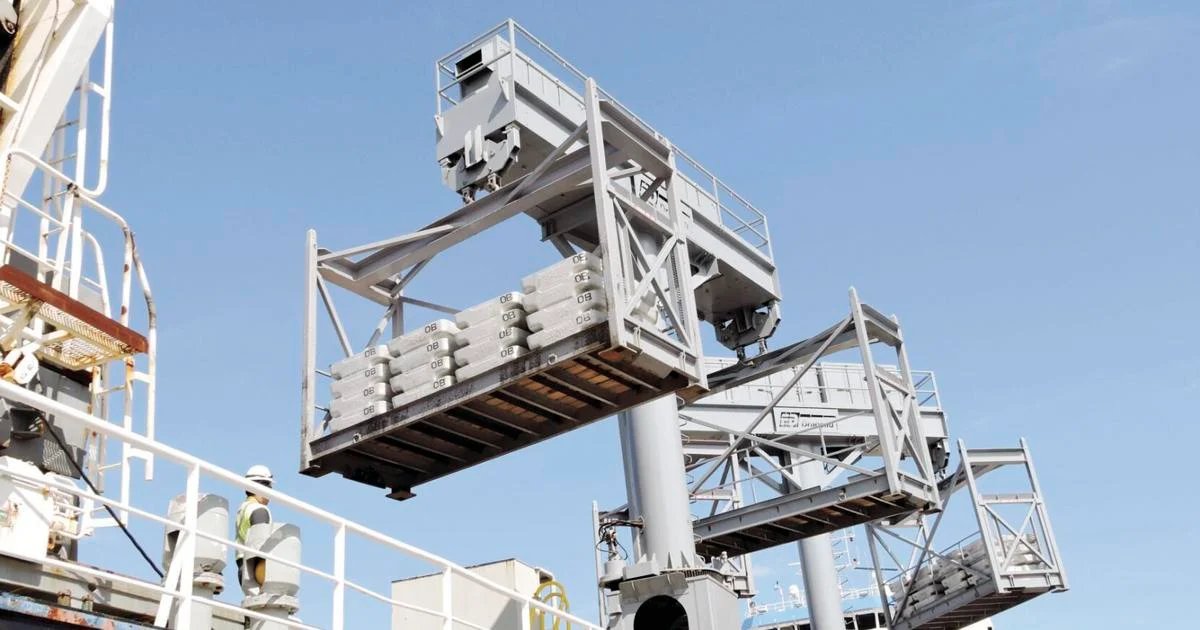
OSWEGO — The Port of Oswego is facing a significant economic downturn as the ongoing trade friction between the United States and Canada takes a toll on regional logistics and port revenue. Tom Drumm, executive director of the Port of Oswego Authority, is sounding the alarm, specifically highlighting that 50% tariffs on Canadian aluminum are stifling the facility’s ability to maintain its historically robust shipping operations.
### The Impact of Trade Policy on Regional Logistics
The Port of Oswego serves as a critical entry point for industrial materials, particularly aluminum destined for the nearby Novelis facility in Scriba. This plant, which employs over 1,200 workers, relies heavily on waterborne shipments to maintain its supply chain.
During the 2023 season, the port handled 11 ships carrying roughly 60,000 metric tons of aluminum. In a stark contrast, the current season has seen only five vessels arrive, with a total volume hovering around 20,000 metric tons. Drumm notes that this reduction in volume results in fewer man-hours and less economic activity across the waterfront. While internal operational challenges at Novelis—including fire damage at their production facilities—had previously contributed to a slowdown, Drumm insists that the primary obstacle today is the punitive tariff structure, which has fundamentally altered the viability of cross-border aluminum trade.
### AI and Data Integration in Modern Port Management
As ports like Oswego navigate these macroeconomic challenges, the maritime industry is increasingly turning to advanced technology to mitigate losses. The integration of artificial intelligence and sophisticated data analytics is becoming a standard tool for port authorities looking to optimize storage and inventory tracking.
In the face of fluctuating tariff policies, the Port of Oswego is utilizing its “Foreign Trade Zone” to manage shipments more strategically. By storing incoming aluminum within this secure, duty-free environment, companies like Novelis can hold inventory while assessing market conditions. This digital-first approach to logistics allows operators to better track volume, predict demand, and manage tax liabilities in real-time. Modern port management systems now leverage AI-driven predictive modeling to help executives forecast shipment delays and adjust labor deployment, providing a layer of operational efficiency that is vital when trade revenues are under pressure.
### Seeking an Economic Ceasefire
Drumm has publicly called for an “economic ceasefire,” urging policymakers to recognize the integrated nature of the Great Lakes economy. The trade relationship between the U.S. and Canada is deeply intertwined, with raw materials and finished goods frequently crossing the border to support automotive manufacturing for major brands like Toyota, Stellantis, and Ford.
The port authority is currently pushing for a period of stability over the next few months to allow traditional trade routes to normalize. “These tariffs are punitive and they are really damaging to ports, particularly in Oswego,” Drumm stated. As the industry looks toward the next legislative cycle, there is hope that both tariff relief and improved trade relations could restore the flow of goods.
In the interim, the Port of Oswego continues to diversify its operations, focusing on the storage of diverse materials—such as rock salt—to stabilize its bottom line. While the facility continues to advocate for a reduction in trade barriers, the leadership remains focused on long-term sustainability, betting that the eventual recovery of the aluminum sector and the implementation of smarter supply-chain technologies will secure the port’s role as a cornerstone of the regional economy heading into 2025.
Disclaimer: This content is auto-generated for informational purposes only.
Source: Read Original News