








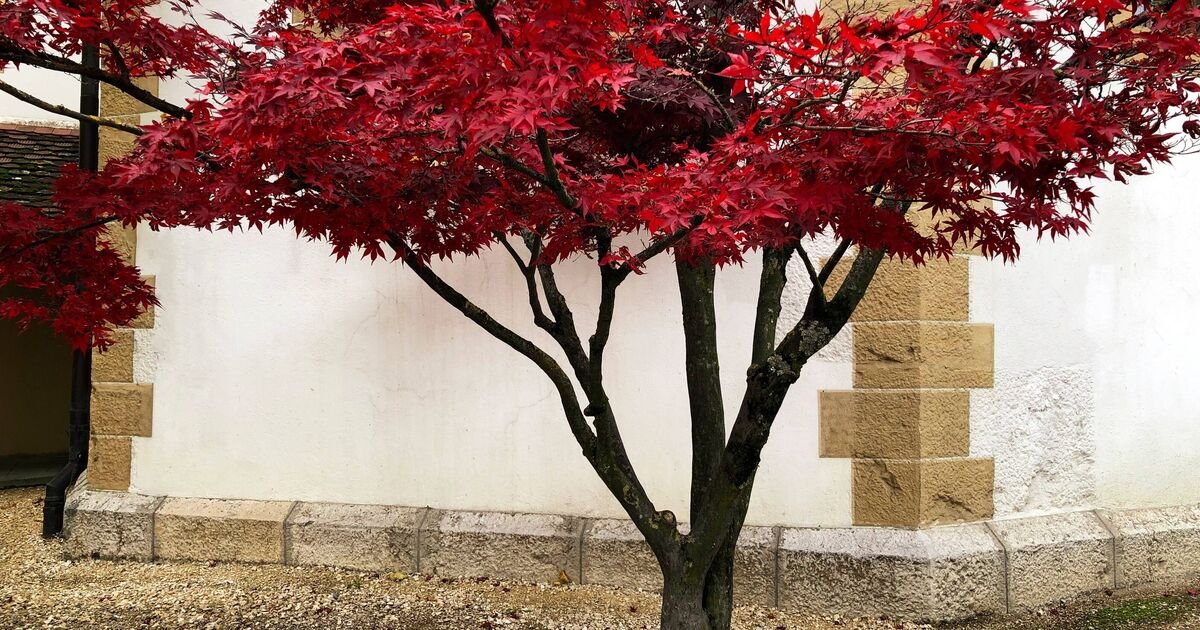
There is something undeniably magical about the arrival of autumn in the garden. While the rest of the yard might be starting to look a bit tired and ready for a long nap, the Japanese maple steals the show. With its delicate, lacy leaves turning shades of fire-engine red, burnt orange, and deep gold, it serves as the crowning glory of any outdoor space.
However, just because these trees look resilient does not mean they can fend for themselves as the mercury drops. Many gardeners assume that because October brings its fair share of rain, the garden is well-hydrated. The truth is often quite the opposite. If you want your maple to return with just as much brilliance next year, now is the moment to shift your focus from appreciation to maintenance.
The Hidden Dangers of Autumn Winds
One of the biggest misconceptions about late-season gardening is that you can put the hose away as soon as the temperature dips. In reality, autumn often brings harsh, gusty winds that strip moisture from both the soil and the tree itself. Even when it is raining, those winds can dehydrate a Japanese maple faster than you might expect.
If your tree enters the winter months in a parched state, it risks severe root damage. When the roots shrivel, the tree loses the strength it needs to survive the dormancy period. You might not notice the consequences immediately, but come spring, you will be left wondering why your tree is failing to produce its signature foliage. Staying alert throughout October is the secret to protecting that investment.
Mastering the Morning Routine
When it comes to hydration, timing is everything. Gardening experts frequently suggest that the morning is the golden hour for watering your maples. By giving the tree a drink early in the day, you ensure that the moisture reaches the root system while the sun is still low and evaporation is steady. This allows the tree to store exactly what it needs before the temperature drops at night.
Avoid the temptation to water in the late evening. When you water at night, moisture lingers on the leaves and around the base for far too long. In the cool, damp conditions of autumn, this creates a breeding ground for fungal spores and diseases. Since these pathogens thrive in wet, stagnant environments, a dry leaf is a healthy leaf. If you must water later in the day, be extremely careful to aim your watering can at the soil rather than the foliage.
Ditch the Schedule for the Finger Test
Following a strict calendar for watering is a common trap that often leads to waterlogged soil. Overwatering is just as dangerous as neglecting a tree; saturated dirt can attract pests, mould, and root rot, especially when the plant is preparing to go dormant. Instead of relying on a clock or a set number of days, use a much simpler, more effective method: the finger test.
Before you reach for the watering can, poke your finger into the soil around the base of the tree. If you feel any dampness at that depth, put the water away—the tree is doing just fine. If the ground feels dry, crumbly, or shows signs of cracking, it is time to hydrate. During a typical October week, you might only need to check the soil every two or three days. This mindful approach ensures your tree receives only what it needs, keeping the soil environment healthy and balanced.
Preparing for the Winter Freeze
Taking these small steps now acts like an insurance policy for your garden. By monitoring the moisture levels regularly, you help your Japanese maple build the resilience it needs to withstand the impending frost. It is a quiet, meditative task that connects you to the natural cycle of your garden.
Think of this autumn care as a gentle handover. You are essentially tucking the tree in, ensuring it is well-fed and hydrated so it can weather the cold months ahead. When the frost finally retreats and the first buds of spring begin to unfurl, you will be glad you put in the effort. A little attention in October is a small price to pay for a landscape that remains a standout feature for years to come. Your trees do so much to make your yard beautiful; a few minutes with a trowel or a hose is the least you can do in return.
Disclaimer: This content is auto-generated for informational purposes only.
Source: Read Original News